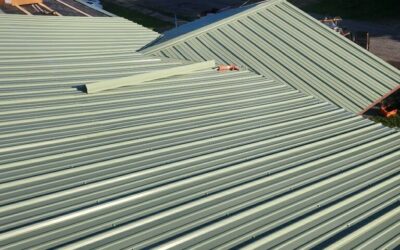
Should Roof Vent Pipe Be Covered? Everything Homeowners Need to Know
When it comes to protecting your home from moisture, pests, and roofing damage, every detail matters—including your roof vent pipes. One of the most common questions homeowners ask is, “Should roof vent pipes be covered?” While vent pipes are often overlooked, they play a crucial role in your home’s plumbing and ventilation system, and whether or not to cover them depends on a few key factors.
In this blog, we’ll walk you through what roof vent pipes are, their purpose, the pros and cons of covering them, and when to call in a professional roofing contractor like S&K Construction and Remodeling LLC, serving Youngstown, Cleveland, Lakewood, and the surrounding Northeast Ohio area.
If you’re unsure whether your vent pipe is properly installed or protected, it’s best to start with a professional roof inspection to catch any issues early.
If you notice water stains, damaged shingles, cracked rubber, or moisture around a plumbing vent pipe, the problem may be the pipe boot or roof flashing rather than the vent pipe itself.
S&K Construction And Remodeling LLC provides roof inspections, vent pipe flashing repairs, roof leak repairs, storm damage inspections, and roof replacement throughout Northeast Ohio.
Schedule a free roof inspection and estimate today.
What Is a Roof Vent Pipe?
A roof vent pipe, also known as a plumbing vent or vent stack, is a vertical pipe that extends through your roof. Its main job is to release sewer gases from your home’s plumbing system and allow fresh air to enter the system so that water flows freely through your drains.
Without a properly functioning vent pipe, your plumbing system would experience poor drainage, gurgling sounds, and even dangerous gas backups.Proper venting is a critical part of your overall roofing system and should always be evaluated during a roof inspection.
Should Roof Vent Pipes Be Covered?
The Short Answer: Yes, but with the right kind of cover.
Roof vent pipes should be covered, but not sealed shut. The goal is to protect the vent pipe from debris, animals, rain, and snow while still allowing airflow. The right cover helps your plumbing system function properly while protecting your roof from damage.If your vent pipe is already leaking or damaged, you may need immediate roof repair to prevent further issues.
Why You Should Cover a Roof Vent Pipe
Here are the top reasons why it’s a good idea to cover your vent pipe:
1. Prevent Animal Intrusion
Birds, squirrels, insects, and even rodents can crawl into uncovered vent pipes looking for warmth or nesting space. Once inside, they can block airflow or even die, creating foul smells and plumbing issues.Blocked vents can lead to moisture buildup that may eventually require roof repair services.
2. Keep Out Debris
Leaves, twigs, and dirt can fall into an open pipe, leading to clogs in the plumbing vent system. A simple mesh cap or vent cover can prevent this.
3. Protect Against Rain and Snow
Water entering a roof vent can freeze in colder climates (like Northeast Ohio), creating ice blockages or roof leaks. A properly designed vent cover will direct water away from the pipe while maintaining ventilation.Leaks around vent pipes are one of the most common issues identified during a roof inspection.
4. Maintain Ventilation Efficiency
Some vent covers are specially designed to reduce wind resistance, helping maintain consistent airflow and improving plumbing performance.
What Type of Roof Vent Pipe Covers Are Best?
Here are the most common options available:
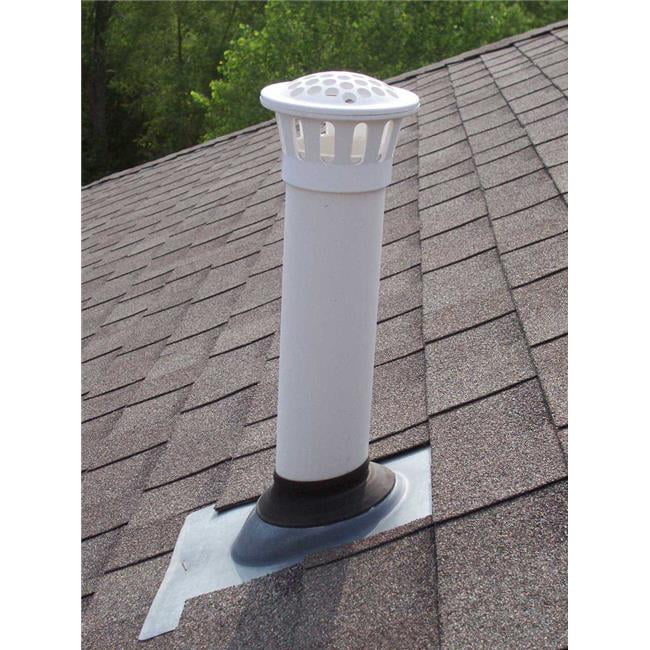
1. Vent Cap with Screen
These are caps designed to keep out birds and debris while allowing air to flow freely. They’re usually made of plastic or galvanized steel.
2. Frost-Proof Vent Covers
Ideal for cold climates, these covers help prevent snow buildup and ice blockages.
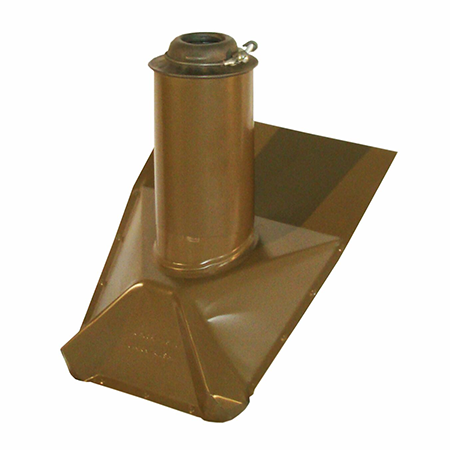
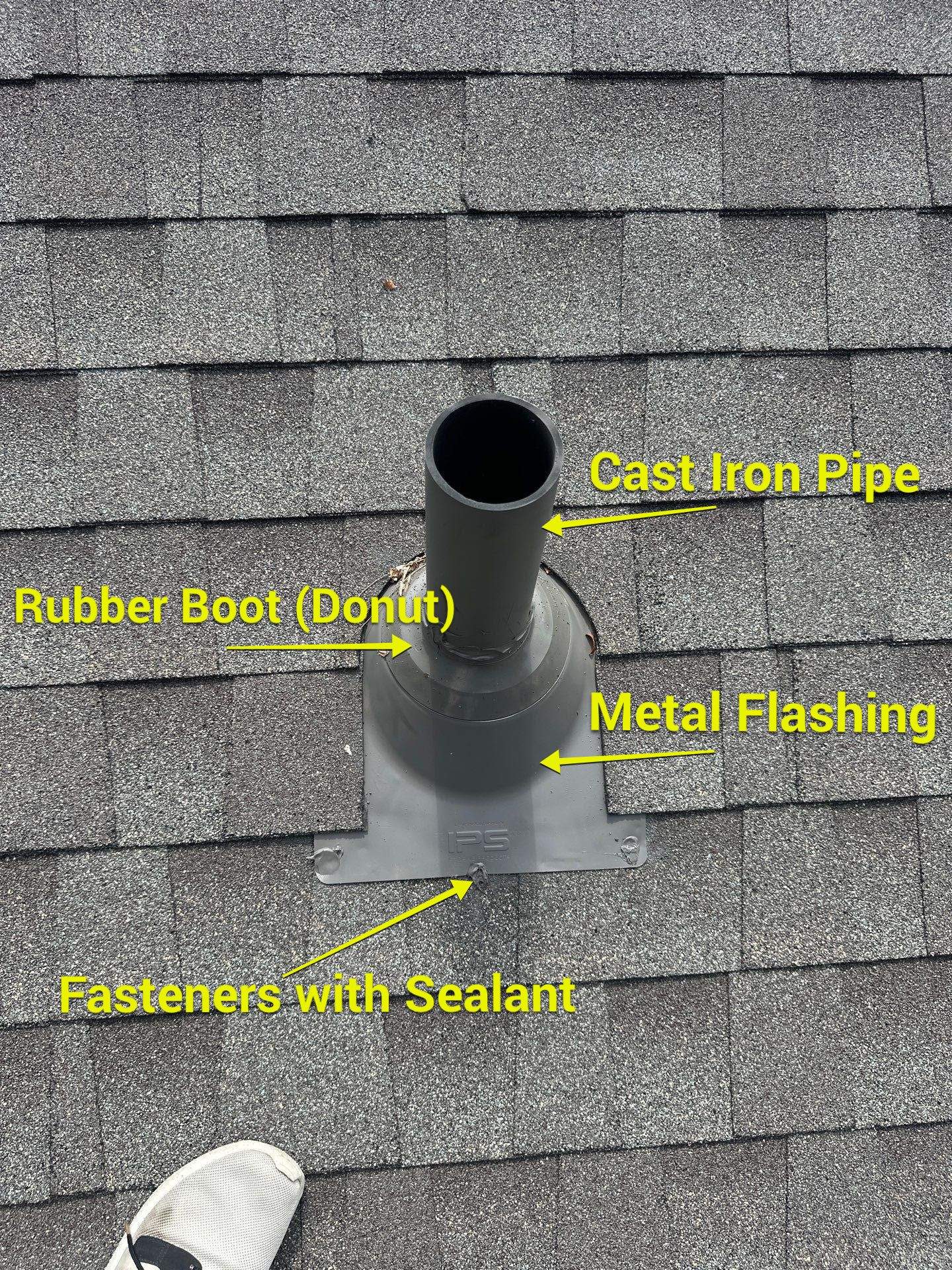
3. Rubber Boot Flashings
These aren’t exactly “covers,” but they seal the area where the pipe exits the roof to prevent leaks. Over time, rubber flashings can crack and need replacing.

4. Custom Roof Vent Guards
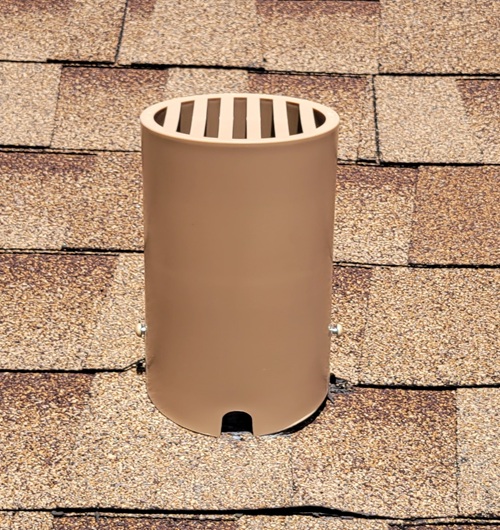
For extra protection or specific climates, some homeowners opt for custom metal guards that are both durable and aesthetically pleasing.Choosing the right materials and installation method is something an experienced roofing contractor can help with.
Avoid sealing the pipe completely. The vent pipe needs to “breathe.” Blocking airflow can lead to plumbing issues and even dangerous sewer gas buildup inside your home.
Signs Your Roof Vent Pipe Needs Attention
- Water leaks near the vent pipe
- Animal noises in your plumbing or roof
- Sewer smells in the house
- Slow or gurgling drains
- Visible cracks or deterioration in the vent boot
If you notice any of these signs, it’s time to inspect your vent pipe—or better yet, call a professional.These are all early warning signs that may require professional roof repair before the damage spreads.
How to Inspect and Maintain Roof Vent Pipes
Maintaining your roof vent pipes is simple and can prevent major problems down the road. Here’s how:Routine roof inspections can help catch vent pipe issues before they turn into costly repairs.
1. Visual Roof Inspection
Use binoculars or climb safely (if you’re experienced) to check the pipe for damage or missing caps. Look at the rubber boot flashing for cracks or signs of wear.
2. Check for Blockages
If you’re experiencing plumbing issues and suspect a blocked vent pipe, a professional plumber or roofer can snake the line or use a camera to inspect the interior.
3. Install or Replace Covers
If your vent pipe lacks a cover or has a damaged one, install a properly vented cap made of UV-resistant material.
4. Replace Worn Flashing
If the flashing around the base is cracked or dry-rotted, it should be replaced immediately to prevent water leaks.Damaged flashing is a leading cause of leaks and may require immediate roof repair services.
Can I Cover My Roof Vent Pipe Myself?
If you’re comfortable working on your roof and have the proper tools and safety equipment, yes—installing a roof vent pipe cover is a relatively simple DIY project. However, the roof can be dangerous, especially for steep or high-pitched surfaces.
When in doubt, call the pros. At S&K Construction and Remodeling LLC, we specialize in roofing and exterior home improvements throughout Northeast Ohio. We can inspect your roof vent pipes, install proper covers, and ensure everything is sealed and ventilated correctly.
Should a Plumbing Vent Pipe Be Open or Covered
Most plumbing vent stacks are designed to terminate open above the roof.
The pipe should not be sealed shut because it allows sewer gases to escape safely and lets air enter the plumbing drainage system.
Ohio plumbing requirements specifically address open vent terminals extending through the roof and require the penetration around the pipe to be properly flashed.
Some approved vent guards or specialty devices may be used in certain situations, but they should never restrict the airflow required by the plumbing system.
What Is the Pipe Coming Out of My Roof?
The vertical pipe coming through your roof may be a plumbing vent stack.
Plumbing vents connect to the drainage system and extend through the roof so gases can escape outdoors and pressure inside the plumbing system can remain balanced.
A plumbing vent pipe is different from attic ventilation such as ridge vents, box vents, turbine vents, or soffit vents.
This distinction is important because homeowners frequently confuse plumbing vents with roof ventilation.
What Actually Keeps Water From Leaking Around a Vent Pipe?
The plumbing vent itself does not need to be sealed shut to keep rain out of the house.
Instead, the roof penetration is protected by a pipe boot and flashing.
The flashing creates a watertight connection between the roofing material and the vent pipe.
Ohio plumbing requirements state that the junction between a vent pipe and roof line must be made watertight using approved flashing.
If the boot or flashing fails, water can run down the outside of the pipe and enter the attic or ceiling below.
Why Do Roof Vent Pipe Boots Leak?
Pipe boots are common roof leak locations because they are exposed to sunlight, rain, snow, ice, and temperature changes throughout the year.
Rubber or neoprene seals can eventually crack, split, shrink, or pull away from the vent pipe.
Other causes of leaks can include:
Improper flashing installation
Exposed nails
Loose roofing nails
Cracked rubber seals
Damaged shingles
Old flashing
Storm damage
Improperly layered shingles
Water getting underneath the flashing
Signs Your Roof Vent Pipe Is Leaking
Water stains on ceilings
Wet attic insulation
Water around the vent pipe
Cracked rubber around the pipe
Rusty or damaged flashing
Missing shingles near the vent
Mold or moisture in the attic
Dripping during heavy rain
Leaks after snow begins melting
Dark staining around the roof penetration
Does Rain Going Into a Plumbing Vent Cause a Leak
Rain entering the open top of a properly installed plumbing vent is generally not the same thing as a roof leak.
The vent is connected to the plumbing drainage system.
When homeowners see water inside the house near a vent stack, the more likely roofing concern is water leaking around the outside of the pipe because the boot, flashing, shingles, or roof decking is damaged.
Can Snow and Ice Block a Plumbing Ven
Snow, ice, and extremely cold weather can sometimes affect plumbing vent performance.
Ohio plumbing requirements include provisions intended to reduce frost closure of roof vent extensions in very cold design conditions.
Homeowners should not try to permanently seal a vent to keep snow out.
If a vent repeatedly freezes, becomes obstructed, or causes plumbing problems during winter, the vent system should be evaluated by a qualified plumbing professional.
How Northeast Ohio Weather Damages Vent Pipe Flashin
Northeast Ohio weather can be especially hard on roof pipe boots and flashing.
Roof penetrations are exposed to summer heat, freezing winter temperatures, lake-effect snow, ice, wind-driven rain, and repeated freeze-thaw cycles.
Over time, these temperature changes can cause rubber pipe boots to crack or deteriorate.
Snow and ice around the penetration can also expose weak flashing or damaged shingles, making vent pipe leaks more noticeable during winter or spring thaw.
Can a Leaking Pipe Boot Be Repaired
If the roof and surrounding shingles are still in good condition, a damaged pipe boot or flashing assembly may be repaired or replaced without replacing the entire roof.
The surrounding shingles normally need to be carefully removed so the new flashing can be properly integrated into the roofing system.
Simply covering a cracked boot with excessive roof cement or caulk may provide only temporary protection and can hide a larger flashing problem.
Should Pipe Boots Be Replaced During Roof Replacement?
Yes, roof penetrations should be carefully evaluated during a roof replacement.
Old or deteriorated pipe boots should generally not be left underneath a brand-new roofing system.
During roof replacement, contractors can inspect the roof decking around the penetration, install proper flashing, replace damaged vent boots, and correctly integrate the flashing with the new shingles and underlayment.
Roof Vent Pipe Leaks vs Plumbing Vent Problem
A roof leak around the vent pipe and a blocked plumbing vent are two different problems.
A roofing problem may cause:
Water stains
Wet decking
Damaged shingles
Dripping around the pipe
A plumbing vent problem may cause:
Slow drains
Gurgling drains
Sewer odors
Drainage problems
If the issue involves the roof penetration, flashing, shingles, or pipe boot, a roofing inspection may be needed.
If the vent itself is blocked or the plumbing system is not venting correctly, a plumber should inspect the plumbing system.
Common Vent Pipe Problems We See on Northeast Ohio Roofs
Mention:
Cracked pipe boots
Dry-rotted rubber seals
Improper flashing
Loose nails
Exposed fasteners
Missing shingles
Water-damaged roof decking
Poorly sealed old repairs
Storm damage
Ice-related leaks
Leaks during snow melt
Old vent flashing left during previous reroofing
Roof Vent Pipe Inspections in Northeast Ohi
S&K Construction And Remodeling LLC provides roof inspections and roof leak repairs throughout Northeast Ohio.
We inspect pipe boots, vent flashing, shingles, roof decking, valleys, chimneys, skylights, and other roof penetrations that commonly cause leaks.
If you have water around a plumbing vent pipe, ceiling stains, cracked flashing, or an older roof, a professional roof in
What Happens If You Don’t Cover the Vent Pipe?
If your roof vent pipe is left open or has a damaged cover, you risk:
- Animal infestation or nesting
- Clogged plumbing vents
- Sewer gas odors inside your home
- Water infiltration and roof leaks
- Mold and mildew around the vent area
Neglecting this small detail can lead to thousands in repair costs down the line.Ignoring these issues can eventually lead to needing a full roof replacement if damage becomes widespread.
Trust S&K Construction and Remodeling LLC for Roof Vent Pipe Repairs
We’re not just your average roofing company. At S&K Construction and Remodeling LLC, we’re an Owens Corning Preferred Contractor and we’ve built a reputation on honest service, high-quality materials, and attention to detail.
We proudly serve:
- Youngstown
- Cleveland
- Lakewood
- Beachwood
- Medina
- Euclid
- And surrounding areas throughout Northeast Ohio
When you choose S&K, you’re not just getting a contractor—you’re getting a partner who treats your home like their own.
Our Process: Safe. Simple. Stress-Free.
- Free Inspection – We evaluate your vent pipes, roof flashing, and caps.
- Custom Recommendations – We explain your options and pricing.
- Efficient Service – Whether it’s a cap installation or full roof repair, we get it done fast and right the first time.Every project starts with a detailed roof inspection and estimate so you know exactly what your home needs.
- Follow-Up – We ensure your home is protected long after the work is done.
We’re also happy to check your attic ventilation, soffits, and roof vents while we’re on-site.Hiring a professional roofing contractor ensures the job is done safely and correctly.
Don’t Just Take Our Word For It
⭐⭐⭐⭐⭐
“S&K Construction fixed a leaking vent pipe on our roof and installed a new cap. Super professional, affordable, and fast. Highly recommend!”
— Linda R., Medina, OH
⭐⭐⭐⭐⭐
“Great experience from start to finish. They explained everything clearly and even showed before/after pictures. Top-notch service!”
— Jason M., Youngstown, OH
Check out more 5-star reviews on Google and see why so many homeowners trust S&K.
Final Thoughts: Should Roof Vent Pipes Be Covered?
Yes—but they must be covered the right way. The right cover will protect your home from water damage, animals, and debris while keeping your plumbing system functioning properly. Just make sure not to seal it shut or block the airflow.
If you’re unsure what kind of cover you need or suspect your vent pipe is leaking, reach out to the experts at S&K Construction and Remodeling LLC. We’ll inspect, repair, and install whatever is needed to keep your home safe and secure.
Need Help With Roof Vent Pipes or Roof Repairs?
Call S&K Construction and Remodeling LLC Today!
Owens Corning Preferred Contractor
Serving Youngstown, Cleveland, and all of Northeast Ohio
Backed by 5-Star Google Reviews
Let’s make sure your home is protected from top to bottom.
A plumbing vent pipe normally needs to remain open, but the area where it passes through the roof must be properly flashed and protected from water.
Cracked pipe boots, damaged flashing, loose shingles, and deteriorated seals are common causes of roof leaks around plumbing vents.
S&K Construction And Remodeling LLC provides roof inspections, pipe boot repairs, flashing repairs, roof leak repair, storm damage inspections, and roof replacement throughout Northeast Ohio.
Schedule your free roof inspection and estimate today.
- Professional roof inspections for vent pipe and leak issues
- Expert roof repair services for flashing and ventilation problems
- Full roof replacement when damage is extensive
- Honest recommendations and high-quality workmanship
📞 Call 440-235-3124 to schedule your inspection