(440) 307-2059
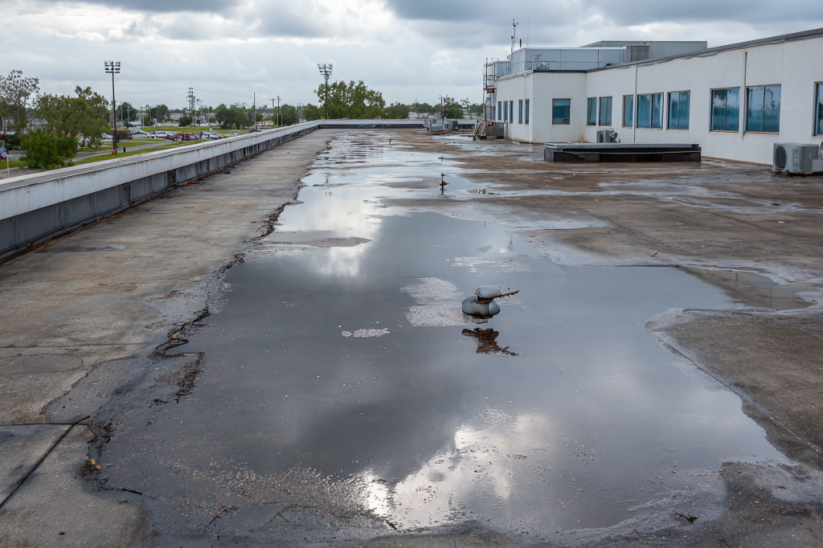
An Ohio winter rarely creates roofing problems out of nowhere. More often, it exposes issues that have been building for months. Small leaks, weak seams, poor drainage, and aging materials tend to show their full impact once snow, ice, wind, and freeze-thaw cycles take hold.
For commercial property owners, the real question is not just when to replace a commercial roof. It’s whether your current roof can realistically make it through another winter without causing interior damage, tenant disruption, or the need for emergency roof repair.
In this guide, we’ll walk through:
- The warning signs your commercial roof may not survive another Ohio winter
- How to decide between repair and replacement
- What drives commercial roof replacement cost in Ohio
- How to plan ahead and avoid emergency situations
If you’re unsure where your roof stands, S&K Construction And Remodeling can help with a clear inspection and practical next steps.
Quick Answer: How to Tell If Your Commercial Roof Won’t Make It Through Winter
A commercial roof may not handle another Ohio winter if it has recurring leaks, ponding water, open seams, membrane damage, or a history of repeated repairs. In Northeast Ohio, freeze-thaw cycles and snow loads accelerate deterioration, turning minor issues into larger failures that often require emergency roof repair or full replacement.
Why Ohio Winters Push Commercial Roofs to the Limit
In Northeast Ohio, roofing systems don’t just deal with cold temperatures. They deal with constant fluctuation. A roof may freeze overnight, thaw during the day, then freeze again by evening. That repeated expansion and contraction puts stress on seams, flashing, and drainage points.
Flat and low-slope commercial roofs are especially vulnerable. Water does not shed as quickly, so melting snow can sit on the surface. When that water refreezes, it expands and forces its way into small openings.
This is why the signs matter. A minor issue in October can turn into a mid-winter emergency. And once winter sets in, your options become more limited, often shifting from planned work to urgent repair.
What to Review Before Deciding on Repair or Replacement
Before winter arrives, a clear inspection can help you determine whether your commercial roof can realistically handle another Ohio winter or whether replacement is the more practical choice.
Roof Age and Repair History
Most commercial roofing systems last around 20 to 30 years. If your roof is approaching that range and has needed multiple repairs, it may not have enough remaining life to handle another Ohio winter without increased risk of failure.
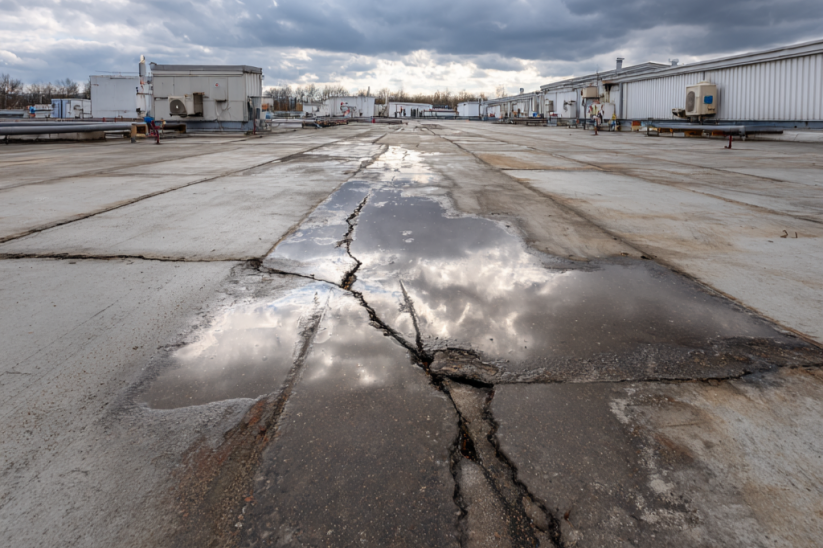
Repeated repairs in the same areas are especially important. They often indicate underlying issues that patches won’t fully resolve, particularly once freeze-thaw cycles begin.
Drainage and Ponding Water
If water is already sitting on the roof after rain, it’s a concern heading into winter. Ponding water becomes heavier under snow conditions and more damaging when it freezes and expands.
If drainage issues are visible now, they are a strong sign your commercial roof may struggle to handle another Ohio winter without developing leaks or structural stress.
Budget and Financing Options
Planning ahead gives you more flexibility. In many cases, the decision isn’t whether you can afford a roof. It’s whether you can afford to wait until winter forces a more urgent and expensive solution.
S&K Construction And Remodeling offers financing through Service Finance, including:
- Zero-down options
- 12 months same-as-cash
- Long-term plans up to 120 months
For example:
- A $10,000 project may land around $140/month
- A $15,000 project may be closer to $200/month
Approval typically takes 20 to 30 minutes, and many property owners qualify with a 620 credit score. This allows you to address issues before they turn into emergency repairs during winter.
Signs Your Commercial Roof Can’t Handle Another Ohio Winter
These are not just general roofing concerns. They are specific indicators that your roof may not withstand winter conditions.
Recurring Leaks That Keep Coming Back
If leaks have been patched multiple times, the issue likely goes deeper than the surface. Winter conditions make leaks harder to manage and more disruptive.
Ponding Water That Doesn’t Clear
Standing water signals drainage problems. When that water freezes, it expands and stresses the roofing system further.
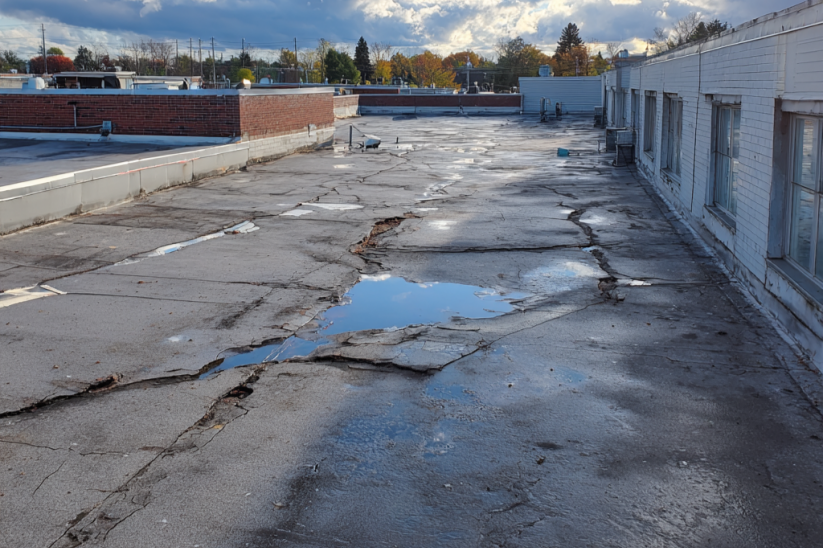
Open Seams or Cracking Membrane
Flat roofing systems rely on sealed seams. Once those seams begin to separate, the roof becomes vulnerable to water intrusion.
Loose or Failing Flashing
Flashing protects edges and penetrations. When it fails, wind-driven snow and rain can enter the building.
Rising Energy Costs
Moisture inside the roofing system can reduce insulation effectiveness, increasing heating costs during winter.
Frequent Repairs Over Time
If your roof needs attention every season, it may no longer be a good candidate for ongoing repair.
Aging Roof Near End of Lifespan
Even without visible failure, older roofs have less margin for error when exposed to winter stress.
Commercial Roof Repair vs Replacement Before Winter
The decision between repair and replacement should come down to risk and long-term cost.
- Repair makes sense when damage is isolated and the roof still has useful life remaining
- Replacement makes sense when issues are widespread, recurring, or tied to aging materials
A practical benchmark:
If repairs are approaching 25–30% of replacement cost, replacement often becomes the more financially sound option.
Commercial Roof Replacement Cost in Ohio: What Affects Pricing
The cost to replace a commercial roof varies, but understanding the drivers helps you decide whether acting now is more cost-effective than risking failure during winter.
Key factors include:
- Roof size and layout
- Tear-off vs overlay
- Drainage corrections
- Material selection (EPDM vs shingles)
- Labor and access conditions
In Northeast Ohio, many commercial projects range from $5,000 to $30,000+.
Planning ahead typically keeps costs more predictable. Waiting until after winter damage spreads often increases total cost due to insulation, decking, and interior repairs, which is why cost should always be considered in the context of whether your roof can safely make it through another Ohio winter.
What Happens If You Try to Push It One More Winter
It’s a common decision point. But when a roof is already showing warning signs, waiting can increase both risk and cost.
Potential outcomes include:
- Interior water damage
- Mold and insulation issues
- Business disruption
- Higher replacement costs due to expanded damage
In some cases, insurance claims may also become more complicated if issues are tied to long-term wear rather than a clear storm event.
When a Roof Turns Into an Emergency Repair Situation
Emergency roof repair typically becomes necessary when:
- Active leaks are affecting operations
- Membrane failure allows sudden water entry
- Storm damage exposes vulnerable areas
Temporary repairs can help contain the issue, but they often lead back to the same question: whether the roof system itself needs replacement.
Real Example: How Small Issues Turn Into Winter Failures
We recently worked with a multi-family property that had experienced minor leaks over time. Each issue had been patched, and the roof appeared manageable.
Once winter arrived, trapped moisture froze and expanded beneath the membrane. Seams separated, and the leaks returned on a larger scale.
What could have been a planned replacement became an urgent situation. This is a common pattern when early warning signs are present but delayed.
Which Commercial Roofing Systems Hold Up Best Through Ohio Winters
Choosing the right roofing system is not just about cost or lifespan. It’s about how well the roof performs under snow load, ice buildup, and repeated freeze-thaw cycles.
EPDM Rubber Roofing
Pros:
- Cost-effective for large flat surfaces
- Performs well in cold temperatures
- Flexible under winter conditions
Cons:
- Seams can weaken over time
- Requires proper drainage to perform well
An aging or poorly maintained EPDM roof with seam issues is one of the most common signs a commercial roof may not handle another Ohio winter.
Commercial Asphalt Shingles
Pros:
- Durable and widely used
- Strong wind resistance
- Lower upfront cost
Cons:
- Not suitable for low-slope roofs
- Requires proper ventilation
Shingle systems can perform well through winter when properly installed, but older systems with wear or ventilation issues may struggle under snow and ice conditions.
How S&K Construction And Remodeling Helps You Prepare Before Winter
S&K Construction And Remodeling focuses on clarity and execution.
- Detailed inspections with start-to-finish photo documentation
- On-site project management throughout the job
- Most projects completed in one day with a full crew
- Assistance with insurance claims
- 50-year Owens Corning product warranties on qualifying systems
- 10-year workmanship guarantee
After your inspection, you’ll receive a clear breakdown of whether repair or replacement makes more sense, along with straightforward pricing and financing options.
Commercial Roofing Questions Property Owners Ask Before Winter in Ohio
Before moving forward with repairs or replacement, most commercial property owners want clear, practical answers. The questions below reflect the most common concerns we hear when evaluating whether a roof can handle another Ohio winter.
How do I know if my commercial roof can survive another Ohio winter?
You can tell your commercial roof may not survive another Ohio winter if it shows leaks, ponding water, seam damage, or repeated repairs. These issues indicate the system is already weakened, and freeze-thaw cycles can quickly make them worse. A professional inspection helps confirm whether the roof still has enough structural integrity to make it through winter.
When should I replace a commercial roof instead of repairing it?
You should replace a commercial roof instead of repairing it when problems are widespread, recurring, or tied to the roof’s age. Repairs make sense for isolated damage, but once multiple areas are failing, replacement is usually the more cost-effective long-term decision. This is especially true before winter increases stress on the system.
What is the commercial roof replacement cost in Ohio?
The commercial roof replacement cost in Ohio typically ranges from $5,000 to $30,000 or more depending on size, materials, and complexity. Factors like tear-off requirements, drainage corrections, and insulation condition all influence pricing. Planning before winter can help keep costs more predictable.
Can a commercial roof be replaced in winter?
Yes, a commercial roof can be replaced in winter, but it is usually better to plan ahead. Cold temperatures, snow, and ice can limit scheduling flexibility and make installation more challenging. Addressing the issue before winter reduces the chance of emergency repairs.
What causes the need for emergency roof repairs?
The need for emergency roof repairs is usually caused by active leaks, storm damage, or sudden membrane failure. These situations often develop from smaller issues that worsened over time and were pushed further by severe weather. Winter conditions tend to accelerate this process.
How long does an EPDM roof last in Ohio?
An EPDM roof typically lasts 20 to 30 years in Ohio depending on installation quality and maintenance. Harsh weather, poor drainage, and seam failure can shorten that lifespan. Regular inspections help extend performance and identify issues early.
Does insurance cover commercial roof replacement?
Insurance may cover commercial roof replacement if the damage is caused by a qualifying storm event. Coverage depends on proper documentation and timing, as well as whether the damage is considered sudden rather than long-term wear. A documented inspection can help support a claim.
What to Do If Your Commercial Roof Can’t Handle Another Ohio Winter
The signs your commercial roof can’t handle another Ohio winter are usually visible well before the first snowfall. Recurring leaks, drainage issues, aging materials, and repeated repairs all point to a roof that may not hold up under seasonal stress.
S&K Construction And Remodeling helps property owners make clear, informed decisions with thorough inspections, transparent communication, and efficient project execution.