(440) 307-2060
Space Decking Roof: A Complete Guide for Homeowners and Builders
When you hear the term space decking roof, it might sound futuristic or complex, but it refers to a roofing system designed with steel or metal decking sheets that form a strong, lightweight base for concrete or other structural materials. Space decking is widely used in both residential and commercial construction because it combines strength, durability, and flexibility in design. It allows for larger spans without excessive support, reduces construction time, and offers a reliable base for the finished roof.
This guide will explore everything about space decking roofs: what they are, how they are used, their advantages and disadvantages, installation methods, maintenance, and how they compare to other roofing systems.
What Is a Space Decking Roof?
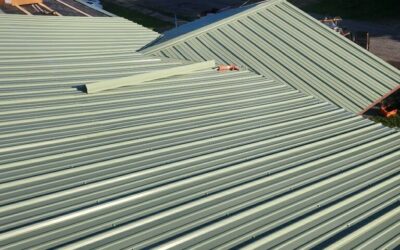
A space decking roof is a structural system that uses metal decking sheets—usually corrugated steel—to support roof loads and serve as a working platform during construction. These sheets are installed over beams or trusses and often act as both formwork and reinforcement for concrete slabs.
Because the decking is lightweight but strong, it reduces the need for heavy support structures. This makes it ideal for projects where time efficiency, load-bearing capacity, and long spans are priorities.
The Role of Space Decking in Modern Construction
Construction has evolved to demand speed, safety, and efficiency. Space decking provides a solution that addresses all three. By serving as a permanent formwork, it eliminates the need for temporary wooden molds that would otherwise slow down progress. At the same time, it provides instant working platforms for laborers and equipment during the build.
This dual-purpose use—temporary platform and permanent structural element—explains why space decking is now standard in many large-scale construction projects, including warehouses, office buildings, parking structures, and even residential roofs.
Types of Space Decking Systems
Not all space decking roofs are the same. They come in different forms depending on design and material needs:
- Steel Decking
- Most common type.
- Galvanized steel provides corrosion resistance.
- Available in different profiles and thicknesses for load requirements.
- Composite Decking
- Works with reinforced concrete to form a composite slab.
- Provides greater strength and stiffness than steel alone.
- Aluminum Decking
- Lightweight alternative.
- Used in specialized cases, though less common due to cost.
- Cellular Decking
- Includes flat plate welded to corrugated steel.
- Offers concealed raceways for wiring and increased fire resistance.
Each type of decking serves a unique role depending on whether the project demands lightness, insulation, fireproofing, or structural integration with concrete.
Advantages of a Space Decking Roof
The popularity of space decking roofs comes from the many benefits they bring to both builders and property owners.
1. Strength and Load-Bearing Capacity
Steel or composite decking can handle significant loads, making it suitable for roofs that must bear heavy equipment, insulation, or even rooftop gardens.
2. Lightweight Construction
Despite being strong, space decking is relatively lightweight compared to solid concrete slabs, reducing the load on the foundation and structural framework.
3. Speed of Installation
Prefabricated decking sheets cover large areas quickly. This reduces labor time and accelerates overall construction schedules.
4. Cost Efficiency
By acting as both a working platform and permanent formwork, space decking reduces the need for temporary materials and scaffolding. This lowers costs in labor and materials.
5. Fire Resistance
When combined with concrete, decking roofs provide excellent fire resistance, meeting safety standards in commercial buildings.
6. Versatility in Design
Available in various profiles and gauges, space decking can be customized to fit roof spans, insulation needs, and architectural requirements.
Challenges and Drawbacks
While space decking is versatile, it does have some limitations to consider:
- Initial Cost – Higher upfront material cost compared to traditional wood-based formwork.
- Noise – Rain or hail hitting the metal sheets can be louder compared to asphalt or tile.
- Thermal Conductivity – Metal decking transfers heat quickly, so insulation is often required.
- Corrosion Risk – Without proper galvanization or coatings, steel decking can rust in humid or coastal climates.
Installation of Space Decking Roofs
Installing a space decking roof requires planning, skilled labor, and adherence to safety standards. The general steps include:
- Preparation of Structural Framework
Beams or trusses must be ready to receive decking panels. - Placement of Decking Sheets
Sheets are laid over the framework, aligned properly, and overlapped at joints. - Fixing and Fastening
Decking sheets are secured using welds, screws, or mechanical fasteners. - Reinforcement Placement
In composite decking, steel reinforcement bars are placed over the decking before concrete pouring. - Concrete Pouring (if composite)
Concrete is poured directly over the decking, creating a strong roof slab. - Finishing
Additional insulation, waterproof membranes, or roofing materials may be added depending on the project requirements.
Space Decking Roof in Residential Buildings
While often associated with commercial structures, space decking is gaining traction in residential homes. For houses that require flat roofs or modern architectural designs, steel decking offers:
- Faster construction compared to traditional methods.
- A strong base for waterproof membranes and insulation.
- The ability to support rooftop terraces, solar panels, or HVAC units.
Maintenance of Space Decking Roofs
Maintenance for a space decking roof depends on whether it’s exposed or covered by concrete and membranes. Common maintenance tasks include:
- Regular Inspections – Check for rust, leaks, or loose fasteners.
- Coating and Painting – Protective coatings can extend lifespan by preventing corrosion.
- Cleaning – Removing debris ensures drainage systems work effectively.
- Waterproofing Layers – Inspect and repair membranes as needed.
When properly maintained, space decking systems can last decades with minimal issues.
Space Decking Roof Lifespan
The longevity of a space decking roof depends on material quality, climate, and upkeep:
- Galvanized Steel Decking: 30–50 years with minimal maintenance.
- Composite Decking: Can last 50+ years since concrete protects the steel.
- Exposed Decking: May require recoating or treatment every 10–15 years.
Environmental Benefits
Steel decking is recyclable, and many manufacturers use recycled steel in production. By reducing the need for temporary wooden formwork, space decking also helps conserve timber. Additionally, the speed of installation lowers on-site energy consumption and reduces waste.
Comparing Space Decking Roofs to Other Systems
Let’s compare space decking roofs to common alternatives:
- Concrete Slab Roofs – Strong but much heavier and slower to build.
- Wood Decking – Less costly initially but not as durable or fire-resistant.
- Metal Roofing Sheets (Non-Decking) – Provide weather protection but lack structural support functions.
- Tile Roofing – Attractive but heavy, expensive, and time-consuming to install.
Space decking offers a balance of strength, speed, and cost-effectiveness that sets it apart.
Space Decking in Industrial and Commercial Use
Space decking is most commonly found in:
- Warehouses
- Factories
- Shopping centers
- Airports
- Stadiums
- Parking structures
In these projects, long spans without intermediate supports are critical, and decking provides the perfect solution.
Fire Safety in Space Decking Roofs
One of the reasons space decking is favored in high-rise and commercial buildings is its fire resistance. Steel itself is non-combustible, and when combined with concrete, it creates a fire-rated roof structure. Fireproof coatings or concrete encasement can further enhance this resistance, ensuring compliance with building codes.
Insulation and Energy Efficiency
Since steel is highly conductive, additional insulation is often required in space decking roofs to maintain comfort indoors. Insulation boards, spray foam, or reflective coatings can be applied to reduce heat gain in summer and heat loss in winter. With proper insulation, these roofs can be highly energy-efficient.
Aesthetic Possibilities
Modern architecture increasingly embraces exposed steel decking for an industrial look. Painted or coated decking can become a design feature rather than simply a hidden structural component. Exposed decking is often seen in loft-style apartments, offices, and retail spaces.
Cost Factors
The cost of a space decking roof depends on:
- Material thickness and coating.
- Size of the roof and required spans.
- Complexity of installation.
- Whether concrete and reinforcement are included (composite system).
While costs can be higher upfront, the reduced labor and long lifespan often make it more cost-effective in the long run.
Pros and Cons Recap
Pros:
- Strong and durable.
- Lightweight compared to concrete.
- Quick to install.
- Fire resistant.
- Eco-friendly and recyclable.
Cons:
- Higher initial cost.
- Can be noisy without insulation.
- Requires anti-corrosion measures.
Conclusion
So, what exactly makes a space decking roof so appealing in today’s construction world? It’s the combination of strength, lightness, versatility, and efficiency. By serving as both a working platform during construction and a permanent structural element afterward, it saves time, reduces costs, and creates a roof system capable of supporting heavy loads and withstanding harsh environments.
Whether used in large-scale industrial projects or modern residential designs, space decking roofs represent the perfect balance between durability and innovation. With proper installation and maintenance, they can provide decades of reliable service while also offering opportunities for design flexibility and sustainability. 440-235-3124