
In Cleveland, OH, many homeowners assume their roof made it through winter without problems, only to notice stains, damp insulation, or shingle damage once the snow melts. In many cases, the cause is ice dam roof damage. Ice dams can create hidden roof damage during winter, and the effects often do not show up until after the thaw, when the attic warms up and trapped moisture begins to dry out.
Ice dam leaks usually start when snow melts and refreezes along the edge of the roof. Water gets trapped behind the ice and can work its way under shingles, into the decking, and even into the attic. Because the damage happens slowly, it may not be obvious until spring in Northeast Ohio, when temperatures rise, moisture begins to dry, and hidden problems start to appear inside the house.
This guide explains how ice dam roof damage happens, why hidden roof damage after winter is common in Cleveland, OH, and what homeowners should check once the snow melts. Many ice dam problems do not show up until spring, which is why post-winter inspections are one of the most important steps for protecting your roof in Northeast Ohio.
In this article we cover:
- What causes ice dams in Ohio
- How hidden roof damage happens during winter
- Signs of ice dam leaks after snow melts
- Hidden damage found after the thaw
- Why ventilation and insulation affect ice dams
- What repairs may be needed after winter
- When to schedule a roof inspection in spring
If you think winter may have caused damage to your roof, S&K Construction And Remodeling can inspect the roof and attic to make sure everything is still in good condition.
Why Ice Dam Roof Damage Is Common in Cleveland and Northeast Ohio
Ice dams are especially common in Cleveland and the surrounding areas because winter temperatures often go above and below freezing. Snow may melt during the day, then refreeze at night. This freeze-thaw cycle can happen many times during one season.
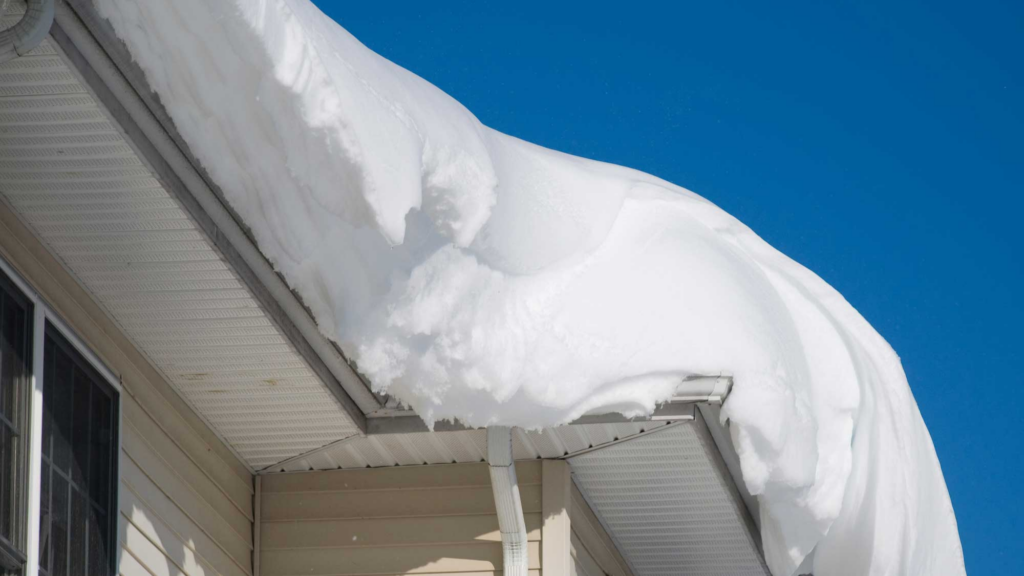
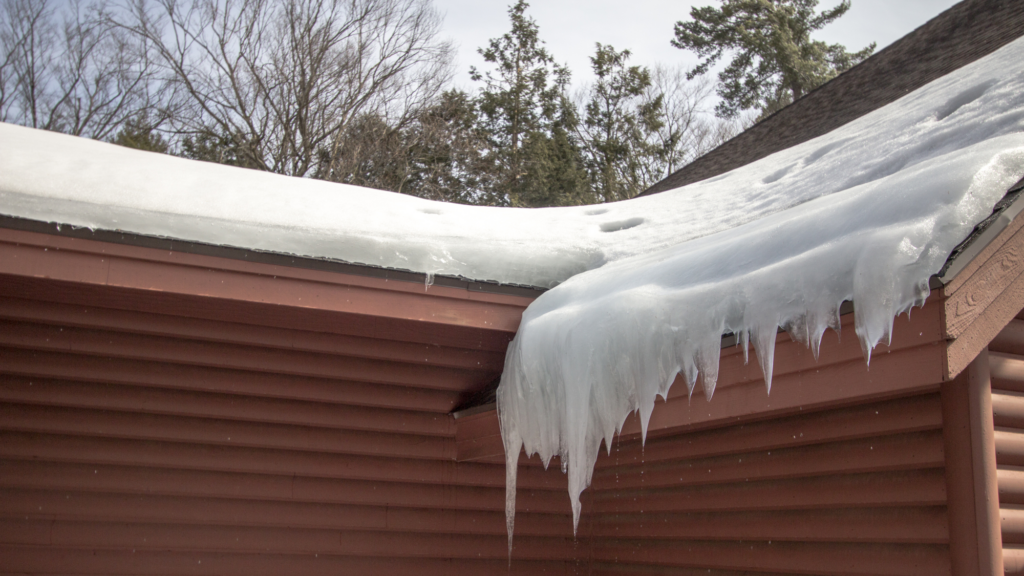
An ice dam forms when snow melts on the upper part of the roof but refreezes near the edge. The ice blocks water from draining off the roof. When more snow melts, the water has nowhere to go, so it can push under shingles and into the roof system.
In Northeast Ohio, we often see ice dam roof damage on homes with:
- Poor attic ventilation
- Uneven insulation
- Older roofing materials
- Low roof slope
- Blocked gutters
- Previous roof repairs done without ventilation upgrades
Because of these conditions, ice dam roof damage in Cleveland often stays hidden during winter and only becomes visible after the thaw, when moisture trapped under shingles or inside the attic begins to dry out.
What to Know Before Checking for Hidden Roof Damage After Winter
Before looking for ice dam damage, it helps to understand that leaks do not always appear right away. Water may get under the shingles during winter but stay trapped in the decking, insulation, or drywall until temperatures warm up.
Things that affect how much hidden damage occurs include:
- How long snow stayed on the roof
- How many freeze-thaw cycles happened
- Condition of the shingles
- Quality of ventilation
- Amount of attic insulation
- Age of the roof
Homes in Cleveland and Northeast Ohio often have older decking, multiple shingle layers, or insulation that was added over time. These conditions can trap moisture during winter and make hidden roof damage worse once the attic warms up in spring.
This is why many homeowners in Northeast Ohio do not realize they have ice dam roof damage until after winter, when warmer temperatures reveal moisture that built up during the colder months.
How Ice Dams Cause Hidden Roof Damage During Winter
Ice dams do not damage the roof all at once. The damage usually happens slowly over weeks of cold weather.
The Ice Dam Damage Cycle
| Step | What Happens | Result |
| Warm air escapes into attic | Snow melts on upper roof | Water begins to run down |
| Water reaches cold roof edge | Temperature drops near eaves | Water freezes into ice |
| Ice blocks drainage | Meltwater cannot flow off roof | Water backs up |
| Water moves under shingles | Ice forces water upward | Moisture enters roof |
| Decking and insulation get wet | Water stays trapped | Hidden damage begins |
| Freeze-thaw repeats | Moisture builds over time | Damage spreads |
| Spring thaw reveals problems | Roof warms and dries | Leaks, stains, mold appear |
In Cleveland, this freeze-thaw pattern can happen dozens of times in one winter. Each cycle increases the chance of hidden roof damage, which is why ice dam problems often do not become obvious until spring.
Hidden Ice Dam Damage We Often Find in Spring
One of the biggest problems with ice dam roof damage is that the damage is often hidden during winter. Once the snow melts and the attic warms up, the effects start to show inside the house.
After the thaw, we commonly find:
- Wet or compressed insulation
- Mold on roof decking
- Soft or rotting wood under shingles
- Water stains on ceilings
- Peeling paint or damaged drywall
- Damp attic air or musty smell
- Rusted nails or frost marks on decking
In Northeast Ohio, these problems often appear weeks after winter ends. Once temperatures rise, trapped moisture starts to dry out, which makes stains, mold, and odors easier to notice.
This delayed damage is exactly why ice dam roof damage in Cleveland is often not discovered until after winter. Once the snow melts and the attic warms up, moisture trapped for months can finally show up as stains, mold, or soft decking.
Signs of Ice Dam Leaks After the Snow Melts
Ice dam leaks often become noticeable after the thaw, not during the storm.
Common signs include:
- Ceiling stains in spring
- Musty attic smell
- Curling shingles
- Loose gutters
- Damp insulation
- Mold on wood
- Soft roof decking
In Northeast Ohio, these signs often appear after snow is gone and the roof begins to dry out.
Why Ventilation Problems Make Ice Dam Damage Worse
One of the main reasons ice dam roof damage happens in Cleveland homes is poor attic ventilation. When airflow is not balanced, the roof warms unevenly, which leads directly to ice dams and hidden moisture problems during winter.
Homes with ventilation problems often have:
- Blocked soffit vents
- Not enough ridge vent
- Too much insulation in the wrong areas
- Older roof systems without proper airflow
Older homes in Cleveland often have insulation added over the years without improving ventilation. This traps warm air all winter, increasing the chance of hidden roof damage that only shows up after the snow melts.
Improving ventilation helps reduce the chance of ice dams forming, which lowers the risk of hidden roof damage after winter.
When Ice Dam Damage Should Be Repaired
After winter is over, repairing ice dam roof damage should be done as soon as possible, because hidden moisture from ice dams can continue to cause problems even after the snow is gone.
Repairs may include:
- Shingle replacement
- Flashing repair
- Decking repair
- Ventilation upgrades
- Insulation adjustments
- Gutter repair
In Northeast Ohio, we often find that ice dam damage discovered in spring actually started months earlier during winter.
Ice Dam Roof Damage FAQs for Cleveland, OH Homeowners
After winter ends, many homeowners notice problems they did not see during cold weather. Ice dam roof damage often stays hidden until snow melts and the attic warms up, which leads to common questions about leaks, moisture, and repairs. Below are answers to the questions we hear most often from homeowners in Cleveland and Northeast Ohio after winter.
How do ice dams cause hidden roof damage?
Ice dams cause hidden roof damage by trapping water behind ice along the roof edge. This water can soak into decking, insulation, and attic space during winter, but the damage often becomes visible after the thaw when moisture begins to dry out.
Why do ice dam leaks show up in spring instead of winter?
Ice dam leaks show up in spring because moisture often stays frozen during winter. Once temperatures rise, trapped water moves through the roof system and can cause stains, mold, or damp insulation.
How do I know if my roof has ice dam damage after winter?
You may have ice dam damage if you see ceiling stains, musty smells, curling shingles, or damp insulation after snow melts. Many Cleveland homeowners only notice problems once the attic warms up.
Can attic ventilation prevent ice dam damage?
Attic ventilation can help prevent ice dam damage by keeping the roof temperature even. Poor ventilation allows heat to melt snow unevenly, which increases the chance of ice forming along the edge.
Does ice dam damage mean I need a new roof?
Ice dam damage does not always mean full replacement is needed. Some roofs only need repairs, but severe moisture damage may require decking or ventilation work.
Is ice dam damage common in Cleveland, OH?
Ice dam damage is common in Cleveland because winter temperatures often freeze and thaw. This pattern allows ice to form repeatedly and increases the chance of hidden roof damage.
Should I inspect my roof after winter?
You should inspect your roof after winter because ice dam damage may not be visible from the ground. A spring inspection can find hidden moisture and ventilation problems.
Can ice dams cause mold in the attic?
Ice dams can cause mold because trapped moisture stays in insulation and wood. When the attic warms up after winter, mold can begin to grow.
Check for Ice Dam Roof Damage Before Small Problems Get Worse
Ice dam roof damage is one of the most common causes of hidden roof problems in Cleveland, OH, and many homeowners do not notice the damage until after winter. Snow, ice, and repeated freeze-thaw cycles allow moisture to build up slowly under shingles and inside the attic. Once the snow melts and the roof warms up, the damage becomes easier to see.
Because hidden roof damage after winter can lead to leaks, mold, and structural problems, a spring inspection is one of the best ways to make sure your roof is still in good condition.
S&K Construction And Remodeling inspects roofs across Northeast Ohio every spring to check for ice dam damage, ventilation problems, and moisture that started during winter but was not visible at the time. We serves homeowners across Cleveland, Akron, and Madison, Ohio with professional roof inspections every spring.
If you think your roof may have been affected by ice dams this winter, schedule your free inspection today.