(440) 307-2060
Standing Seam Roof Installation: A Complete Guide for Homeowners and Contractors
When people think about upgrading to a long-lasting metal roof, one of the first options that comes to mind is a standing seam system. Known for its sleek appearance and superior durability, this type of roof provides both protection and curb appeal. The process of standing seam roof installation is more complex than laying asphalt shingles, but the payoff is decades of performance and very little maintenance. Understanding how the installation works, what’s involved, and what to expect helps homeowners make smart choices before investing in this roofing style.
What Is a Standing Seam Roof?
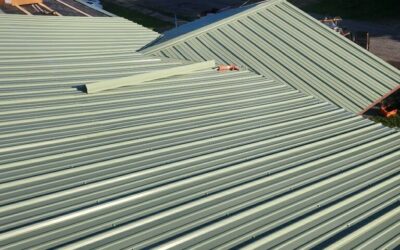
A standing seam roof is a metal roofing system with raised vertical seams that lock panels together. Instead of overlapping flat pieces of metal, the panels run from the ridge of the roof down to the eaves, with concealed fasteners hidden beneath raised seams. This creates a continuous, weather-tight surface with clean lines.
The name “standing seam” comes from the fact that the vertical connections between panels literally “stand” above the flat surface of the roof. This design is highly effective at shedding water, snow, and debris, while also preventing leaks that sometimes occur with exposed fastener systems.
Why Choose Standing Seam Roof Installation?
There are several reasons why homeowners and builders select standing seam systems over other roofing options:
- Longevity – These roofs can last 40–70 years with proper care.
- Weather Resistance – The raised seams and concealed fasteners keep water out.
- Aesthetic Appeal – Modern, clean lines enhance any home or building.
- Low Maintenance – Minimal upkeep compared to shingles or exposed fastener metal.
- Energy Efficiency – Reflective coatings reduce heat absorption in summer.
- Durability – Resistant to wind, hail, fire, and pests.
Key Components of a Standing Seam Roof
Before looking at the installation process, it helps to understand the parts that make up this roofing system:
- Metal Panels – Long vertical sheets, usually made from steel, aluminum, zinc, or copper.
- Seams – Raised connections that lock panels together.
- Clips and Fasteners – Hidden pieces that secure panels to the roof decking.
- Underlayment – A waterproof barrier between the decking and the metal.
- Flashing – Metal strips used around edges, chimneys, vents, and valleys to prevent leaks.
- Ridge Cap – Covers the peak of the roof for a finished, watertight look.
Tools and Materials Needed for Standing Seam Roof Installation
Installing this type of roof requires more precision and specialized equipment compared to traditional roofing. Common tools and materials include:
- Metal cutting tools (shears, snips, or nibblers)
- Bending tools for panel shaping
- Hand seamers and crimpers
- Roofing underlayment
- Sealant and butyl tape
- Clips and concealed fasteners
- Safety harnesses and fall protection gear
Professional installers often use roll-forming machines to create custom-length panels directly at the job site, ensuring fewer seams and a tighter fit.
Standing Seam Roof Installation: Step-by-Step
While the exact method can vary depending on the roof design and metal type, the general steps of standing seam roof installation are consistent across most projects.
1. Roof Deck Preparation
- Inspect the roof decking for damage or rot.
- Replace weak or deteriorated boards.
- Ensure the surface is clean, dry, and smooth.
A solid, level deck is critical since metal panels will show imperfections underneath if not properly prepared.
2. Underlayment Installation
- Roll out synthetic roofing underlayment or high-temperature ice and water shield.
- Overlap each row by several inches to prevent leaks.
- Secure underlayment with cap nails or fasteners.
This layer provides an extra barrier against water and helps protect the roof decking.
3. Installing Drip Edge and Flashing
- Attach drip edge metal along the eaves and rakes.
- Place flashing in valleys, around chimneys, and near roof penetrations.
- Seal overlaps with butyl tape or roofing sealant.
Flashing is one of the most important steps to prevent water infiltration at vulnerable areas.
4. Panel Layout and Measurement
- Carefully measure the roof’s width and length.
- Mark chalk lines to ensure panels are installed straight.
- Plan the layout so seams are evenly spaced and balanced.
Accuracy here determines how the final roof will look and function.
5. Panel Installation
- Place the first panel at the edge of the roof, ensuring it is square.
- Secure the panel with concealed clips attached to the decking.
- Install the next panel, locking it into the first using the standing seam connection.
- Continue this process across the roof.
Depending on the system, panels may snap together, be mechanically seamed, or use specialized fasteners.
6. Trimming and Bending Panels
- Trim panels at the ridge and eaves using metal shears.
- Bend ends upward at the ridge for proper sealing.
- Use a seaming tool or crimper to lock panels fully together.
7. Ridge Cap Installation
- Place ridge cap metal over the top seam of the roof.
- Secure with concealed fasteners and sealant.
- Ensure ridge cap overlaps properly with panels.
This step completes the watertight barrier from eave to ridge.
8. Final Flashing and Sealing
- Inspect all valleys, penetrations, and edges.
- Add additional flashing as needed.
- Apply sealant where necessary for extra protection.
9. Clean-Up and Inspection
- Remove metal shavings and debris from the roof surface.
- Inspect every seam and flashing detail.
- Ensure panels are secure and properly aligned.
Methods of Seaming
Standing seam roofs come in a few variations, and installation differs slightly depending on the seam type:
- Snap-Lock Panels – Panels snap together without mechanical tools. Easier and faster to install.
- Mechanical Lock Panels – Seams are crimped together with a seaming machine. Stronger and more durable, often used in high-wind areas.
- Batten Seam – Raised battens cover panel edges. Common in traditional or historic architecture.
Common Mistakes in Standing Seam Roof Installation
Even experienced roofers can make errors. Some of the most common mistakes include:
- Improper Panel Alignment – Leads to crooked seams and water issues.
- Skipping Underlayment – Weakens waterproofing.
- Poor Flashing – Causes leaks around penetrations.
- Incorrect Fastening – Over-tightening clips can restrict thermal movement.
- Failure to Allow for Expansion – Metal expands and contracts; improper spacing causes buckling.
Lifespan and Maintenance of Standing Seam Roofs
A properly installed standing seam roof can last 40–70 years, depending on the metal used. Maintenance needs are minimal but still important:
- Inspect seams and flashing yearly.
- Keep the roof free of leaves, branches, and debris.
- Check fasteners and clips if panels seem loose.
- Rinse occasionally to maintain appearance, especially in coastal areas.
Cost Considerations
Standing seam roof installation costs more than asphalt shingles but offers long-term savings.
- Material Costs: $4–$8 per square foot (steel, aluminum), higher for copper or zinc.
- Installation Costs: $8–$14 per square foot, depending on complexity.
- Total Average: $15,000–$40,000 for a typical residential roof.
While the upfront cost is significant, homeowners often save money over time thanks to low maintenance, durability, and energy efficiency.
Advantages of Standing Seam Roof Installation
- Longevity up to 70 years.
- Sleek, modern aesthetic.
- Energy-efficient reflective coatings.
- Hidden fasteners reduce leak risks.
- Superior wind and weather resistance.
- Fire-resistant and non-combustible.
Drawbacks to Consider
- Higher upfront cost.
- More complex installation process.
- Requires skilled professionals (DIY is not recommended).
- Can be noisier in rain without proper insulation.
Best Applications
Standing seam roofs work well for:
- Residential homes seeking durability and style.
- Commercial buildings needing low maintenance.
- Barns and agricultural structures.
- Modern architectural designs with clean lines.
- Areas with extreme weather conditions.
Environmental Benefits
Many standing seam roofs are eco-friendly:
- Panels are often made from recycled metal.
- Fully recyclable at the end of their life.
- Compatible with solar panel installation (clips attach without drilling holes).
- Reflective coatings reduce energy use.
Comparing Standing Seam Roofs to Other Roofing
- Asphalt Shingles – Cheaper upfront but shorter lifespan.
- Exposed Fastener Metal – Lower cost but more prone to leaks.
- Tile or Slate – Long-lasting but very heavy and costly.
- Wood Shakes – Attractive but high maintenance.
Standing seam offers the best combination of modern appearance, longevity, and reliability.
Future of Standing Seam Roofing
The industry continues to innovate:
- Improved snap-lock systems for faster installation.
- Coatings that enhance durability and solar reflectivity.
- Integration with renewable energy systems.
- Automated roll-forming for perfect custom panels.
Final Thoughts
Choosing standing seam roof installation is a major investment, but one that pays off in longevity, beauty, and peace of mind. With hidden fasteners, strong seams, and sleek design, this roofing system stands out as one of the most durable and stylish options available today. Whether you’re a homeowner planning to replace an old roof or a contractor learning the process, understanding the details of installation ensures that the finished product delivers decades of protection and performance. 440-235-3124