(440) 307-2060
Things to Consider When Replacing a Roof: A Complete Homeowner’s Guide
Replacing a roof is one of the most significant home improvement projects a homeowner can undertake. It not only protects your home from the elements but also enhances curb appeal, increases property value, and improves energy efficiency. However, the process can be complex, and making the wrong decisions can be costly. Understanding the things to consider when replacing a roof is essential for ensuring a successful project.
In this comprehensive guide, we’ll cover everything you need to know—from materials and costs to contractors, permits, and maintenance—so you can make informed decisions that protect your home and investment.
1. Assessing the Need for a Roof Replacement
Before deciding to replace your roof, it’s important to determine whether replacement is necessary:
Signs Your Roof Needs Replacement
- Age of Roof: Asphalt shingle roofs typically last 20–25 years. Older roofs may require replacement even if there is no visible damage.
- Leaks and Water Damage: Stains on ceilings or walls indicate water intrusion, suggesting the roof may be compromised.
- Curling or Missing Shingles: Shingles that are curling, cracked, or missing reduce your roof’s effectiveness.
- Granule Loss: Asphalt shingles lose granules over time, which diminishes their protective ability.
- Sagging Roof Deck: Structural damage beneath the shingles may require a complete replacement.
When Repair Is Not Enough
Minor issues like a few missing shingles or small leaks can often be repaired. However, widespread damage, aging, or structural issues usually necessitate a full roof replacement.
2. Choosing the Right Roofing Material
One of the most important considerations when replacing a roof is selecting the right material for your home. Factors include durability, aesthetics, cost, climate, and maintenance requirements.
Asphalt Shingles
- Pros: Affordable, widely available, easy to install, variety of colors.
- Cons: Lifespan of 15–25 years, less resistant to extreme weather compared to other materials.
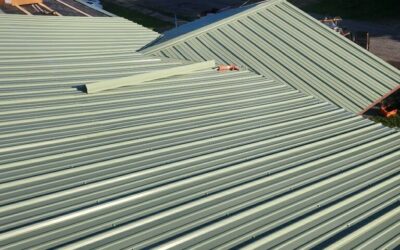
Metal Roofing
- Pros: Long-lasting (40–70 years), energy-efficient, resistant to fire and wind, lightweight.
- Cons: Higher upfront cost, can be noisy during rain or hail.
Clay or Concrete Tiles
- Pros: Extremely durable, fire-resistant, visually appealing, can last 50+ years.
- Cons: Heavy, may require reinforced roof structure, expensive.
Slate Roofing
- Pros: Elegant, durable, fire-resistant, can last over 100 years.
- Cons: Very heavy, expensive, requires specialized installation.
Synthetic Roofing Materials
- Pros: Lightweight, can mimic slate or shake, durable, lower cost than natural materials.
- Cons: May not have the same lifespan as natural materials, limited track record in some regions.
3. Roof Design and Architecture
The style and pitch of your roof affect the replacement process and material choice.
Roof Pitch
- Low Slope Roofs: Require materials that provide excellent waterproofing. Asphalt shingles may not be suitable; flat roofing materials like EPDM or TPO might be better.
- Steep Roofs: Allow for better water runoff and can accommodate a wide variety of materials, including slate and tile.
Roof Complexity
Complex roofs with multiple valleys, dormers, or skylights increase labor costs and may require additional materials for flashing and waterproofing.
4. Cost Considerations
Budgeting is critical when replacing a roof. Costs vary depending on material, roof size, labor, and additional features.
Typical Costs
- Asphalt Shingles: $3–$6 per sq. ft. installed
- Metal Roofing: $7–$15 per sq. ft. installed
- Tile Roofing: $10–$25 per sq. ft. installed
- Slate Roofing: $15–$30+ per sq. ft. installed
Additional Costs to Consider
- Tear-Off Fees: Removing the old roof adds to labor costs.
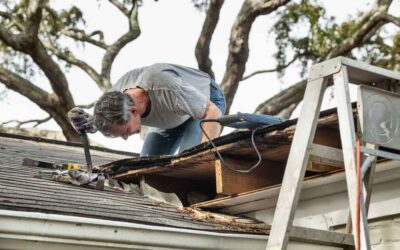
- Structural Repairs: Rotten decking or fascia boards may need replacement.
- Permits: Many municipalities require permits for roof replacement.
- Disposal Fees: Old roofing material must be hauled away and disposed of properly.
- Ventilation and Insulation: Upgrades may improve energy efficiency but add to costs.
5. Contractor Selection
Choosing the right contractor is crucial for a successful roof replacement.
How to Choose a Roofing Contractor
- Licensing and Insurance: Ensure the contractor is licensed in your state and carries liability and workers’ compensation insurance.
- Experience and Reputation: Look for reviews, ask for references, and verify past work.
- Written Estimates: Obtain detailed estimates from multiple contractors.
- Warranty Offers: Ensure the contractor provides labor and installation warranties in addition to manufacturer warranties.
Red Flags to Avoid
- Door-to-door sales tactics
- Extremely low bids compared to other estimates
- No written contract or unclear warranty terms
6. Timing and Weather Considerations
Replacing a roof is a weather-dependent project. Consider the following:
- Spring and Summer: Ideal for roofing projects due to longer daylight hours and dry weather.
- Fall: Good for roofing in mild climates; watch for early storms.
- Winter: Cold temperatures can affect shingle installation and adhesive performance.
Planning the replacement during favorable weather reduces delays and ensures proper installation.
7. Permits and Building Codes
Roof replacement projects often require permits to ensure compliance with local building codes. Considerations include:
- Roof structure and weight limits
- Fire safety regulations
- Ventilation and insulation requirements
- Proper flashing and waterproofing
Working with a licensed contractor usually ensures that all necessary permits are obtained and inspections are passed.
8. Energy Efficiency
A roof replacement is an opportunity to improve your home’s energy efficiency.
Insulation Upgrades
Adding or upgrading attic insulation can reduce heating and cooling costs.
Ventilation Improvements
Proper roof ventilation prevents heat buildup, reduces moisture, and extends roof life.
Reflective Roofing Materials
Some roofing materials, such as metal or reflective shingles, help lower energy costs by reflecting sunlight.
9. Longevity and Maintenance
Different materials have varying lifespans and maintenance requirements.
- Asphalt Shingles: 15–25 years, occasional inspections for missing shingles.
- Metal Roofing: 40–70 years, minimal maintenance.
- Clay/Concrete Tiles: 50+ years, periodic inspections for cracks.
- Slate Roofing: 75–100+ years, requires specialized maintenance.
Understanding the expected lifespan helps plan for future replacements and maintenance budgeting.
10. Aesthetic Considerations
Your roof significantly impacts the curb appeal of your home. Consider:
- Color: Complement siding, trim, and landscaping.
- Style: Match architectural style with appropriate roofing material.
- Texture: Smooth, dimensional, or textured surfaces influence visual appeal.
- Blend with Neighborhood: Choose materials and colors that harmonize with surrounding homes.
11. Environmental Impact
Eco-conscious homeowners may consider:
- Recyclable Materials: Some shingles, metal, and synthetic tiles are recyclable.
- Sustainable Materials: Cedar shake and certain synthetic tiles use renewable resources.
- Energy Efficiency: Reflective materials reduce energy consumption.
- Reusing Old Materials: In some cases, old roofing material can be recycled.
12. Warranty and Manufacturer Support
A solid warranty protects your investment:
- Material Warranty: Covers defects in shingles, tiles, or panels.
- Installation/Labor Warranty: Covers errors during installation.
- Transferable Warranty: Can be transferred to a new homeowner if the property is sold.
Always read the fine print to understand what is covered and what maintenance is required to keep the warranty valid.
13. Safety Considerations
Roof replacement involves working at heights and handling heavy materials:
- Hire Professionals: Experienced contractors reduce risks.
- Use Proper Safety Gear: Harnesses, scaffolding, and helmets are essential.
- Follow Local Safety Regulations: Ensure OSHA or local safety standards are met.
- Avoid DIY for Complex Roofs: Steep or multi-level roofs are dangerous for untrained individuals.
14. Financing Options
Replacing a roof is a major investment. Options include:
- Home Equity Loans: Borrow against your home’s equity at lower interest rates.
- Roofing Company Financing: Many contractors offer financing plans.
- Personal Loans or Lines of Credit: Alternative options if equity loans are not available.
- Insurance Coverage: If the replacement is due to storm damage, your homeowners insurance may cover part of the cost.
15. Things to Avoid During a Roof Replacement
- Hiring Unlicensed Contractors: Risk of poor workmanship and invalid warranties.
- Skipping Inspections: Failing to inspect decking or underlying structures can lead to hidden problems.
- Ignoring Ventilation or Insulation Needs: Short-term savings can reduce roof lifespan and increase energy costs.
- Choosing Cheapest Materials: Low-cost materials often have shorter lifespans and higher maintenance costs.
16. Planning for the Future
When replacing a roof, consider future needs:
- Adding Solar Panels: Ensure roof orientation and structural support for panels.
- Adding Skylights or Dormers: Plan placement during replacement for easy integration.
- Home Expansion: If adding stories or extensions, choose a roofing system that can accommodate future changes.
Frequently Asked Questions
1. How long does a roof replacement take?
Typically 1–3 weeks depending on size, complexity, and weather conditions.
2. Can I stay in my home during roof replacement?
Yes, most homeowners remain in their homes, though there may be noise and limited roof access.
3. Should I replace gutters with my new roof?
It’s often recommended, especially if gutters are old, damaged, or incompatible with the new roof pitch.
4. How do I know if my roof needs replacing or just repair?
Widespread damage, age, leaks, or structural issues indicate replacement; isolated damage may only require repair.
5. Can I get a warranty on a new roof?
Yes, most manufacturers and contractors provide warranties on materials and labor.
Conclusion
Replacing a roof is a major investment and requires careful planning. Understanding the things to consider when replacing a roof ensures homeowners make informed decisions about materials, contractors, costs, warranties, and long-term maintenance. From assessing the need for replacement to selecting materials, planning for energy efficiency, and hiring reputable contractors, careful consideration protects your home and enhances its value and curb appeal.
By taking a thoughtful and informed approach, homeowners can ensure their new roof is not only functional and durable but also a beautiful addition to their home for decades to come. 440-235-3124