(440) 307-2060

Top 10 Questions to Ask a Roofing Contractor
When it comes to installing or replacing a roof, selecting the right contractor is crucial. Your roof is a significant investment, and you want to ensure that the job is done right the first time. It’s important to ask the right questions to ensure you’re hiring a professional roofing contractor who is qualified, experienced, and trustworthy. In this blog, we will cover the top 10 questions you should ask a roofing contractor before hiring them for your roofing project.
1. Are You a Local Roofing Contractor?
One of the first questions you should ask any potential roofing contractor is whether they are local to your area. Local contractors are often more familiar with the specific roofing needs and challenges that your region presents, such as weather conditions or building codes. They also tend to be more accessible in case of any follow-up work or warranty issues. Hiring a local contractor can offer several advantages, including:
- Knowledge of Local Building Codes: Local contractors will have a better understanding of your area’s roofing regulations, ensuring that the work is compliant with local codes.
- Established Reputation: A contractor with a strong local presence is more likely to have a reputation for quality work that you can check through reviews or by asking for references from other local homeowners.
- Availability for Future Repairs: Local contractors are more likely to be around for the long haul, so they’ll be available to address any future issues or warranty claims that may arise.
2. Are You Licensed, Bonded, and Insured?
Before hiring a roofing contractor, it’s essential to verify that they are licensed, bonded, and insured. Here’s why these credentials matter:
- License: A licensed roofing contractor has met the state’s requirements and has the necessary training and expertise to perform roofing work. A license ensures that the contractor has been vetted and is authorized to work in your area.
- Bonded: Bonding protects you in case the contractor fails to meet their obligations, such as not completing the job or leaving you with unsatisfactory work. A bonded contractor ensures that you’ll have a level of protection if something goes wrong.
- Insurance: Insurance is critical for protecting both you and the contractor. Make sure the contractor has liability insurance to cover damages to your property and worker’s compensation insurance in case of injuries during the job.
By hiring a contractor who is licensed, bonded, and insured, you are minimizing the risk of potential liabilities.
3. How Long Have You Been in Business in My Area?
The length of time a roofing contractor has been in business in your area can provide insight into their stability, expertise, and reputation. A contractor with a long history in the community is more likely to provide reliable service and will be more invested in maintaining a good reputation. Here’s why longevity matters:
- Experience: An established contractor has likely worked on various roofing projects, providing them with the expertise to handle different challenges and types of roofs.
- Reputation: A roofing company that has been around for a while will likely have built a solid reputation within the community. They will have an established track record of customer satisfaction and quality work.
- Reliability: Contractors who have been in business for many years are less likely to disappear after completing your project, offering more confidence that they’ll be available for any future repairs or warranty claims.
4. What Is Your Workmanship Warranty?
A roofing warranty is a vital aspect of any roofing project, but you should not only rely on the manufacturer’s warranty for the shingles or roofing materials. Workmanship warranties are just as important because they cover any issues related to the installation process itself. Here’s what you should consider regarding the warranty:
- Coverage Length: A reputable roofing contractor will offer a workmanship warranty that typically lasts anywhere from 1 year to 10 years, depending on the company and project scope.
- What’s Covered: Make sure to ask what the warranty covers. Most workmanship warranties should cover issues such as leaks, poor installation, or structural problems caused by improper installation.
- Transferability: If you plan on selling your home, it’s important to find out whether the warranty is transferable to the new homeowner. Some warranties are non-transferable, which could be a deterrent for potential buyers.
Having a solid workmanship warranty ensures that if anything goes wrong after installation, the roofing contractor will take responsibility for fixing the problem.
5. Are You Certified by Shingle Manufacturers?
Roofing manufacturers often offer certifications to contractors who meet specific requirements and demonstrate proficiency with their products. These certifications indicate that a contractor is experienced in working with the manufacturer’s roofing materials and understands the best practices for installation. Some benefits of working with a certified contractor include:
- Access to Extended Warranties: Certified contractors often have access to extended or enhanced manufacturer warranties, which can offer added protection for your roof.
- Expert Installation: Certification ensures that the contractor has received specialized training to install roofing materials according to the manufacturer’s guidelines, ensuring the roof is installed correctly and to specification.
- Better Quality Control: A certified contractor is more likely to stay updated on the latest roofing technologies, trends, and product improvements.
Ask if your contractor is certified by the roofing manufacturer whose products they plan to use, and consider choosing one with certifications to ensure a higher standard of quality.
6. Can You Give Me References for Recent Projects?
A reputable roofing contractor should have no problem providing references from recent customers. These references offer a window into the quality of their work and customer service. Here’s what to ask when requesting references:
- Recent Work: Request references for projects that are similar to yours in scope, whether it’s a full roof replacement or just a roof repair. This will give you an accurate idea of the contractor’s capabilities.
- Project Duration and Timeliness: Ask references about the contractor’s ability to stick to the schedule. Did they complete the job on time and within budget?
- Customer Satisfaction: Inquire about the overall satisfaction of the customer. Did the contractor address any concerns or issues promptly? Were they responsive throughout the project?
A contractor with a solid track record will gladly provide references to back up their work.
7. How Do You Protect My Property During the Roof Replacement?
Roofing projects can create a significant amount of debris, and it’s crucial to ensure that your property, landscaping, and surrounding structures are protected during the job. Here are some things to ask about:
- Debris Protection: How will the contractor protect your landscaping, driveway, and other areas from falling debris, nails, or roofing materials?
- Roofing Tarps: Does the contractor use tarps or other materials to shield your property and prevent debris from causing damage?
- Safety Measures: Are proper safety measures in place to prevent accidents or damage to your home and property?
A professional contractor should have a clear plan in place to protect your property during the roofing process.
8. What’s Your Cleanup Process?
Roofing projects can be messy, so it’s essential to discuss the cleanup process beforehand. Here’s what you should ask:
- Post-Project Cleanup: Will the contractor perform a thorough cleanup at the end of the project, including removing roofing materials, nails, and debris from your property?
- Nail Sweeping: Many contractors use a magnetic nail sweeper to ensure that no nails are left behind. Ask if they plan to use this tool to avoid future accidents or flat tires.
- Final Inspection: Will the contractor perform a final inspection of the site to ensure that everything is properly cleaned up and that no debris has been left behind?
A professional roofing contractor should be committed to leaving your property clean and free of roofing debris.
9. Do You Use Ice and Water Shield?
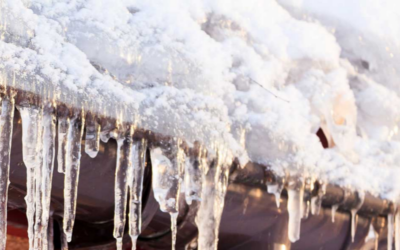
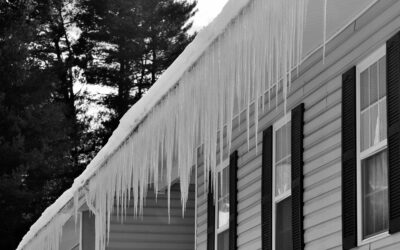
Ice and water shield is a crucial part of a roofing system, especially in areas with harsh winters or where ice dams are common. This protective layer is installed under the shingles to prevent water infiltration caused by ice dams or wind-driven rain. When asking about ice and water shield, consider the following:
- Installation Location: Where will the ice and water shield be installed? It should be placed in areas that are more vulnerable to water infiltration, such as valleys, roof edges, and around chimneys or skylights.
- Quality of Material: Does the contractor use high-quality, long-lasting ice and water shield products to ensure optimal protection?
Ice and water shield can help prevent leaks and extend the lifespan of your roof, so make sure your contractor includes it in the roofing system if it’s necessary for your area.
10. Will Drip Edge Be Installed?
A drip edge is a metal strip installed along the edges of the roof to direct water into the gutters and away from the fascia. Drip edges provide several benefits:
- Preventing Water Damage: They prevent water from seeping under the shingles, which can lead to rot and mold growth on the fascia or roof deck.
- Improved Gutter Function: Drip edges direct water into the gutters, reducing the chance of overflow and preventing damage to the roof’s edges.
Ensure that the contractor plans to install a drip edge as part of your roofing system to prevent water damage and enhance your roof’s performance.
Conclusion
Choosing the right roofing contractor is one of the most important decisions you’ll make when it comes to protecting your home. By asking these 10 essential questions, you’ll be better equipped to assess the qualifications and professionalism of your potential contractors. The right contractor will provide you with the expertise, warranty, and customer service necessary to ensure that your roof is installed or repaired properly and will provide lasting protection for your home. Always do your research and choose a contractor who meets your needs and ensures quality workmanship every step of the way.