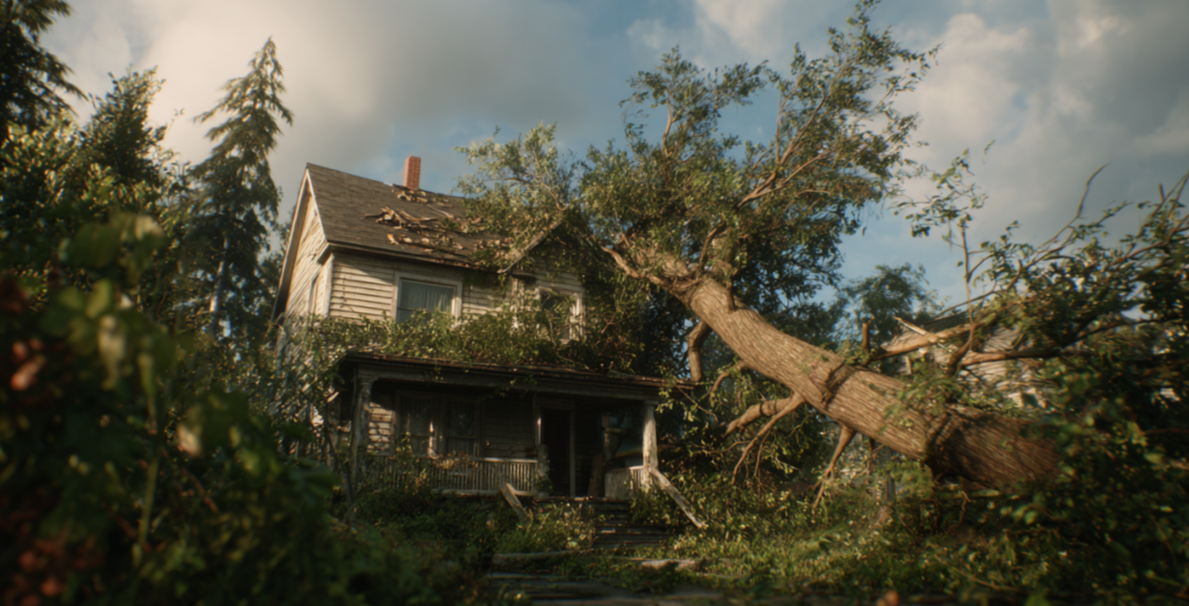
A tree falling on your roof is one of the most stressful types of storm damage a homeowner can experience. In Northeast Ohio, heavy snow, saturated spring soil, high winds, and aging trees can cause large branches or entire trees to damage homes with little warning.
When this happens, most homeowners are suddenly trying to manage safety concerns, roof damage, active leaking, insurance questions, emergency repairs, and cleanup decisions all at once. The next steps matter. Acting quickly can help prevent additional structural damage, support a smoother insurance process, and create a clearer path toward repairs.
This guide explains:
- what to do immediately after tree damage
- how homeowners insurance usually handles roof damage
- who may be responsible for repairs
- signs the damage may be more serious than it appears
- why temporary roof protection matters
- when repairs make sense versus replacement
S&K Construction And Remodeling helps homeowners throughout Northeast Ohio respond quickly after storm damage with emergency roof repair, temporary roof protection, documented inspections, and insurance claim guidance designed to reduce confusion during stressful situations.
If a tree has fallen on your roof or severe weather has exposed your home to water intrusion, the first goal is simple: stabilize the home, document the damage, and make the next decision with clear information.
What Homeowners Should Know After a Tree Falls on Their Roof
In Northeast Ohio, roof damage from fallen trees should usually be treated as urgent when structural exposure, active leaking, attic damage, or interior water intrusion is involved. The first priorities are protecting the home from additional moisture, documenting damage for insurance, and safely evaluating whether repairs or full replacement are necessary.
Homeowners reading this guide will learn:
- which types of tree damage require immediate action
- how insurance claims usually work after storm damage
- why temporary protection matters
- what to expect during the roof recovery process
Many homeowners feel overwhelmed after sudden storm damage, especially when insurance paperwork and emergency repairs happen at the same time. In most situations, the smartest next step is stabilizing the home first so larger decisions can be made more carefully afterward.
Safety Steps to Take Immediately After a Tree Falls on Your Roof
The first step after a tree falls on your roof is not estimating repair costs or climbing up to inspect the shingles. It is making sure everyone inside the home is safe and that no one enters areas that may have structural damage.
Personal Safety Should Always Come Before Roof Inspections
If a tree has struck the home, avoid walking under the damaged area, entering rooms with sagging ceilings, or touching anything near downed wires. Tree impacts can weaken decking, rafters, ceiling framing, and electrical systems in ways that are not always visible right away.
Homeowners should watch for warning signs such as cracking drywall, sagging ceilings, shifting rooflines, water near outlets, or branches pressing into the home. If any of those signs are present, stay away from the affected area until it can be evaluated safely.
Emergency Protection Helps Prevent Additional Damage
Once the immediate area is safe, the next step is preventing rain, snow, or wind-driven moisture from entering the home. Temporary roof tarping can help reduce additional leaking, insulation damage, drywall deterioration, mold growth, and further structural exposure.
This matters in Northeast Ohio because one storm is often followed by more rain, snow, or freeze-thaw conditions. A roof opening that seems manageable at first can become a much larger problem quickly if moisture continues entering the roofing system.
Documentation Helps Support Insurance Claims
Before major cleanup begins, homeowners should document the damage safely from the ground when possible. Photos of fallen trees or branches, visible roof damage, interior leaks, ceiling stains, damaged gutters, and siding damage can help support insurance discussions later.
S&K Construction And Remodeling also provides documented roof inspections with start-to-finish photos so homeowners can better understand the full scope of damage before making repair decisions.
Mistakes Homeowners Should Avoid After Tree Damage
After severe storm damage, it is understandable to want to solve the problem immediately. However, a few common mistakes can create safety risks, increase repair costs, or complicate insurance claims.
Climbing Onto a Damaged Roof Can Be Dangerous
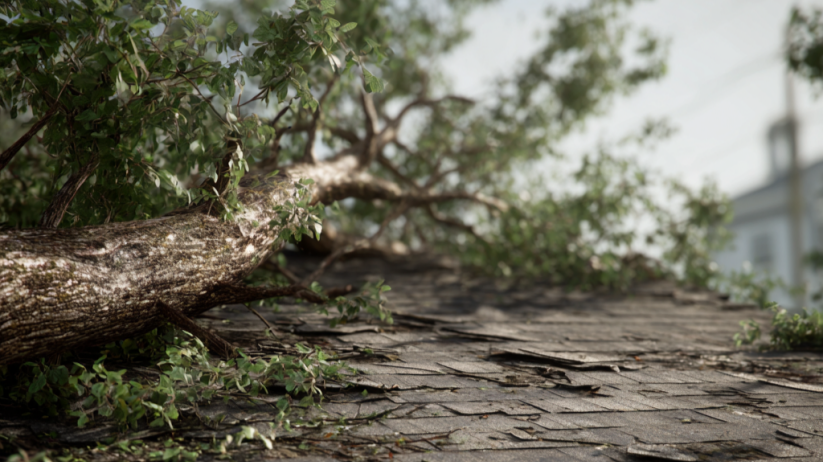
A roof that has been hit by a tree may not be stable. Decking can crack, rafters can shift, and wet shingles can become slippery. Even if the roof looks mostly intact from the ground, hidden soft spots or branch pressure can make DIY inspections dangerous.
The safer next step is to document what you can from the ground and schedule a professional inspection.
Delaying Temporary Protection Often Leads to Larger Repairs
Some homeowners assume a small puncture or minor leak can wait several days. That delay can become expensive if water spreads into attic insulation, decking, drywall, or framing.
After a tree impact, temporary protection is often less about “fixing the roof” and more about preventing the damage from growing while the full repair plan is evaluated.
Removing Debris Too Quickly May Complicate Insurance Claims
Major debris should not be removed before the damage is documented unless safety requires it. Insurance companies often rely heavily on photos, inspection reports, and storm documentation when evaluating roof damage claims after severe weather.
Does Homeowners Insurance Cover Tree Damage?
After safety, insurance is usually the next concern. Homeowners want to know whether the damage is covered, what documentation is needed, and whether a fallen tree means they are responsible for the entire repair bill.
Homeowners Insurance Often Covers Sudden Tree Damage
Homeowners insurance often covers tree damage when a healthy tree falls because of wind, heavy snow, ice, lightning, or severe weather. Coverage may include roof repairs, temporary roof protection, interior water damage, debris removal, and structural restoration.
Coverage depends on the policy, deductible, cause of damage, and inspection findings. That is why early documentation and a professional roof inspection are so important.
Insurance Companies Often Require Fast Documentation
Claims involving a tree falling on the roof usually move more smoothly when the damage is documented early. Waiting too long to address active leaking or exposed roofing materials can create complications if moisture continues spreading after the storm.
The practical next step is stabilizing the roof, documenting the damage, and gathering clear inspection details before larger repair decisions are made.
Who Is Responsible for Paying for Roof Repairs?
Once homeowners understand that insurance may apply, the next question is often who pays, especially if the tree came from a neighboring property.
Tree Ownership Does Not Always Determine Liability
Many homeowners assume a neighbor automatically becomes responsible if their tree falls onto another property. In many storm-related situations, the homeowner’s own insurance policy handles the claim first, especially when the tree appeared healthy before the storm.
Liability may become more complicated if the tree was visibly dead, neglected, or previously identified as hazardous. Because every situation is different, documentation matters.
Insurance Usually Handles Storm Damage First
In many storm-related cases, the homeowner’s insurance carrier begins the process before liability questions are fully resolved. This can allow emergency roof repair and temporary stabilization to happen faster while insurance companies review the details.
The key next step is not waiting for every liability question to be answered before protecting the home from additional damage.
Signs the Damage May Be Worse Than It Looks
A fallen tree can make the visible damage obvious, but the most expensive problems are often hidden beneath the surface.
Structural Damage Often Extends Beneath the Roofing Surface
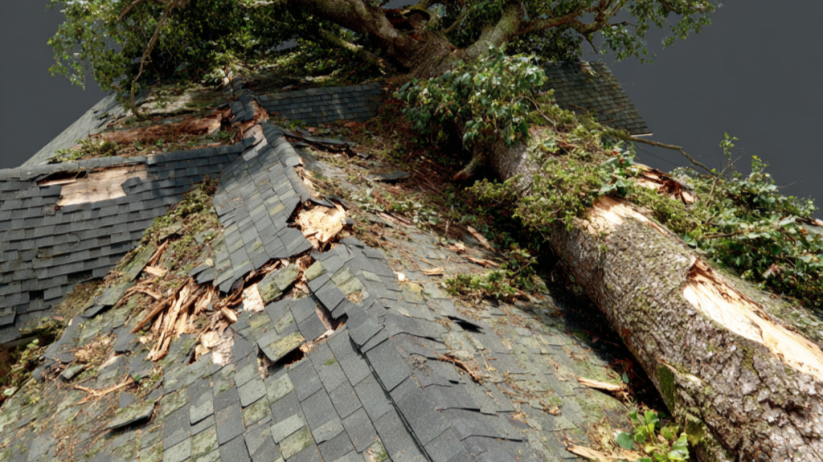
A tree impact may damage roof decking, rafters, attic framing, flashing, ventilation components, gutters, and insulation. From the ground, homeowners may only see missing shingles or a branch on the roof, but the structure beneath may have absorbed much of the impact.
That is why the next step after tree damage should include a full inspection, not just a surface-level shingle repair.
Water Damage Often Continues Spreading After the Storm Ends
Roof damage does not always create immediate interior leaking. Water may travel through attic spaces or insulation before visible stains appear inside the home.
Trapped moisture can lead to:
- insulation saturation
- mold growth
- rotted decking
- weakened framing
- hidden ceiling deterioration
For example, a homeowner may notice only a few missing shingles from the ground while a large branch has weakened decking near the ridge line. During the next rainfall, water may begin spreading through attic insulation before leaks become visible indoors.
Interior Warning Signs Often Appear Gradually
Homeowners should watch for:
- new ceiling stains
- sagging drywall
- attic moisture
- musty odors
- uneven rooflines
- cracking near ceiling corners
These signs may indicate the damage is affecting more than the visible impact area.
Tree Damage That Usually Requires Immediate Roof Service
Not every branch impact requires the same response, but certain situations should be treated as urgent because the roof may no longer be protecting the home properly.
Structural Exposure and Active Leaks Usually Require Fast Action
Emergency roof repair is often needed when there is:
- punctured decking
- active leaking
- exposed underlayment
- sagging roof sections
- attic water intrusion
- electrical concerns near moisture
These issues can worsen quickly during additional storms or freeze-thaw cycles if temporary protection is delayed.
Fast Stabilization Helps Reduce Long-Term Structural Costs
Even when permanent repairs cannot happen immediately, stabilizing exposed areas quickly can help reduce moisture spread, insulation damage, mold risk, framing deterioration, and larger interior repairs.
The next step after serious tree damage is often temporary protection first, then a careful decision about repair, replacement, and insurance.
Why Fast Temporary Protection Matters
After severe tree damage, the first repair goal is usually preventing the situation from becoming worse.
Emergency Roof Tarping Helps Stabilize the Home
Temporary roof protection helps reduce additional exposure to rain, snow, wind-driven moisture, and freeze-thaw expansion. Emergency tarping may involve covering exposed decking, sealing vulnerable roofing areas, stabilizing damaged sections, and reducing active leaking.
This gives homeowners time to evaluate permanent repairs more carefully without allowing moisture intrusion to continue spreading.
Delayed Repairs Often Lead to Larger Structural Costs
Even small exposed roofing areas can worsen quickly during Northeast Ohio weather. Repeated moisture exposure may lead to rotted decking, mold growth, insulation damage, framing deterioration, and larger interior repairs.
Fast stabilization often helps reduce the overall cost and complexity of the recovery process.
How Insurance Claims Work After Storm-Related Tree Damage
After the roof has been stabilized, homeowners usually need to understand how the insurance claim will move forward.
Insurance Adjusters Usually Evaluate Multiple Factors
Insurance companies often review:
- storm conditions
- roof age
- tree impact location
- visible structural damage
- pre-existing roofing conditions
- temporary protection efforts
This is why documented inspections and detailed photo records can help support the claims process.
Roofing Contractors Help Homeowners Understand the Process
Many homeowners feel more comfortable working with roofing contractors experienced in storm restoration and insurance-supported repairs.
S&K Construction And Remodeling helps homeowners understand what damage appears storm-related, what temporary repairs are needed first, whether repair or replacement makes more sense, and what documentation may help during insurance discussions.
The goal is reducing confusion while helping homeowners make informed decisions after severe weather.
Repair vs Replacement After Structural Roof Damage
Once the roof has been stabilized and inspected, the next step is deciding whether repairs are practical or whether larger structural replacement is necessary.
Localized Damage May Only Require Repairs
A newer roofing system with isolated branch damage may only require shingle replacement, flashing repairs, underlayment replacement, or localized decking repairs. When the surrounding roof remains structurally sound, repairs may be the more practical option financially.
Larger Structural Damage Often Requires Full Replacement
Replacement may become necessary when decking is compromised, moisture spreads beneath roofing layers, multiple roof sections are damaged, shingles cannot be matched, or the roof was already nearing the end of its lifespan.
Many homeowners also use replacement as an opportunity to improve storm resistance with architectural shingles, upgraded underlayment, and better ventilation.
What Homeowners Can Expect During the Roof Recovery Process
Tree damage often leaves homeowners wondering what happens next after the emergency portion is stabilized. A clear process helps reduce stress and keeps decisions organized.
The Recovery Process Usually Happens in Stages
Most storm-related roofing projects include:
- emergency inspection
- temporary roof protection
- photo documentation
- insurance coordination
- repair or replacement planning
- final restoration
Breaking the process into steps helps homeowners avoid rushed decisions while the full damage is being evaluated.
Clear Communication Helps Reduce Stress During Repairs
One of the biggest concerns homeowners have after storm damage is uncertainty. Understanding timelines, repair expectations, insurance coordination, and financing options can make the process feel more manageable.
This is why detailed inspections, documented findings, and straightforward communication remain important from the first inspection through final cleanup.
How S&K Helps Homeowners Recover After Storm Damage
Homeowners dealing with tree damage often feel overwhelmed by safety concerns, leaking, insurance paperwork, and uncertainty about what repairs are truly necessary.
Fast Response and Documented Inspections Reduce Confusion
S&K Construction And Remodeling provides emergency roof inspections, temporary roof protection, photo documentation, onsite supervision, and insurance claim guidance designed to help homeowners stabilize the situation quickly.
Homeowners receive straightforward explanations about structural damage concerns, temporary protection needs, repair versus replacement recommendations, and next steps during the insurance process.
Roofing Systems Designed for Northeast Ohio Weather
Many tree damage situations reveal larger roofing vulnerabilities caused by aging shingles, poor ventilation, or years of storm exposure.
S&K installs architectural shingles, Owens Corning roofing systems, upgraded underlayment protection, and ventilation improvements designed to hold up better during high winds, heavy snow, hail, freeze-thaw cycles, and severe thunderstorms.
Many projects are completed in one business day and backed by 50-year Owens Corning warranties along with a 10-year workmanship guarantee.
“After a large tree branch damaged our roof during a storm, the crew responded quickly, installed emergency protection, and helped us understand the insurance process step by step. The communication and photo updates made the entire situation much less stressful.”
— Northeast Ohio homeowner
Northeast Ohio Insurance and Roof Repair Questions After Tree Damage
After a tree falls on a roof, most homeowners have urgent questions about insurance coverage, structural safety, temporary protection, and what steps should happen next. Below are some of the most common questions homeowners ask after storm-related tree damage in Northeast Ohio.
Does insurance cover a tree falling on my roof?
Yes, homeowners insurance often covers a tree falling on your roof when the damage is caused by wind, snow, ice, or severe weather. Coverage usually depends on the condition of the roof before the storm, the cause of the damage, and the details of the policy.
Who pays if my neighbor’s tree falls on my house?
In many situations, homeowners insurance pays first if a neighbor’s tree falls on your house during a storm. Liability may later depend on whether the tree was visibly dead, neglected, or previously considered hazardous before the damage occurred.
Is tree damage considered an emergency?
Yes, tree damage is often considered an emergency when the roof is exposed to active leaking, structural instability, or interior water intrusion. Fast temporary protection can help prevent additional damage from spreading through the roofing system and attic.
Can a roof be repaired after a tree falls on it?
Yes, a roof can often be repaired after a tree falls on it if the damage remains isolated and the surrounding roofing structure is still sound. Larger impacts involving decking, framing, or widespread moisture intrusion may require partial or full replacement instead.
How long do insurance claims take after storm damage?
Insurance claims after storm damage can take anywhere from several days to several weeks depending on adjuster availability, storm severity, documentation, and the extent of the roof damage. Emergency stabilization and temporary repairs can usually begin before the claim is fully completed.
Should I put a tarp on my roof after tree damage?
Yes, temporary roof tarping is often recommended after tree damage when exposed roofing materials or active leaks are present. Emergency tarp protection helps reduce additional moisture intrusion while homeowners evaluate permanent repairs and insurance next steps.
How Fast Action Helps Prevent Larger Structural Roof Damage
Tree damage rarely improves on its own. The most important next step after a tree falls on your roof is stabilizing the home quickly while creating a clear plan for inspections, insurance documentation, and long-term repairs.
If you are dealing with roof damage from a fallen tree, active leaking, or questions about insurance coverage after storm damage, S&K Construction And Remodeling can provide emergency inspections, temporary roof protection, documented repairs, and clear recommendations based on the condition of your roof.