(440) 307-2059
Types Of Roofing Tiles: A Comprehensive Guide for Homeowners
Choosing the right roofing material is one of the most important decisions for any homeowner. Among the many options available, types of roofing tiles stand out for their durability, aesthetic appeal, and variety. Whether you are building a new home, replacing an old roof, or upgrading for better energy efficiency, understanding the differences among roofing tiles is essential.
Roofing tiles are available in materials ranging from clay to concrete, slate, and even composite options. Each type has unique benefits, installation requirements, and costs. Selecting the right tile not only enhances the curb appeal of your home but also ensures long-term protection against weather extremes.

Common Types of Roofing Tiles
Roofing tiles can be broadly categorized based on the materials they are made from. Here’s a detailed look at the most common types:
1. Clay Tiles
Clay tiles are a traditional roofing material known for their classic aesthetic and long lifespan. They are made by molding natural clay and firing it in a kiln.
Advantages:
- Extremely durable and long-lasting (50–100 years)
- Fire-resistant
- Retain color over time
- Energy-efficient by reflecting heat
Considerations:
- Heavy; may require reinforced roof framing
- Can be brittle under impact
Clay tiles are particularly popular in Mediterranean, Spanish, and Southwestern-style homes. They pair well with a variety of exterior colors and finishes.
(For cost considerations, see our guide on roof installation cost.)
2. Concrete Tiles
Concrete tiles are made from a mixture of sand, cement, and water. They mimic the look of clay or slate tiles but are usually more affordable.
Advantages:
- Durable and long-lasting (50+ years)
- Resistant to rot and insects
- Wide variety of shapes and colors
- Can handle harsh weather conditions
Considerations:
- Heavy, requiring proper structural support
- May need occasional maintenance to prevent cracking
Concrete tiles are versatile and suitable for a range of architectural styles. They offer a balance between aesthetics, durability, and affordability.
(To compare with other materials, check our roof materials list.)
3. Slate Tiles
Slate is a natural stone with exceptional longevity and elegance. Slate tiles are prized for their unique texture and color variations.
Advantages:
- Extremely durable (75–100+ years)
- Fire-resistant and low maintenance
- Environmentally friendly, as it is natural stone
Considerations:
- Very heavy; roof structure must be reinforced
- Expensive initial cost
- Installation requires skilled professionals
Slate is often used on historic homes or properties aiming for a timeless, high-end appearance. Proper installation ensures minimal leaks and maximum lifespan.
(For inspection tips, see roof inspection.)
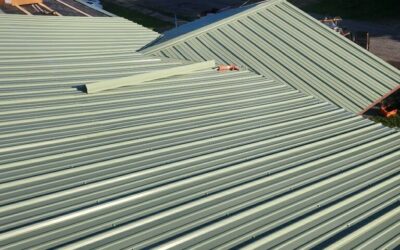
4. Metal Roof Tiles
Metal tiles offer the aesthetic of traditional tiles but with the benefits of metal roofing. They are often made from steel, aluminum, or copper.
Advantages:
- Long-lasting (40–70 years)
- Lightweight compared to clay or concrete
- Fire-resistant and low maintenance
- Can be installed over existing roofing in some cases
Considerations:
- Higher upfront cost
- May require specialized installation
- Can be noisy during rain without proper insulation
Metal tiles are available in a variety of finishes and can replicate the look of clay, slate, or even wood shakes.
(For more on metal options, see our metal roof vs shingles guide.)
5. Composite or Synthetic Tiles
Composite tiles are made from a mixture of plastic, rubber, or polymer materials. They are designed to mimic the appearance of natural materials like slate or clay.
Advantages:
- Lightweight and easy to install
- Durable and impact-resistant
- Environmentally friendly when made from recycled materials
- Lower cost compared to natural materials
Considerations:
- May fade over time
- Lifespan (30–50 years) is shorter than clay or slate
Composite tiles are an excellent choice for homeowners seeking versatility and modern solutions without the heavy weight or high cost of natural materials.
(Learn more about lifespan and maintenance in how long does a tin roof last.)
Specialty Roofing Tiles
In addition to the common types, there are specialty roofing tiles designed for specific performance or aesthetic needs:
Solar Roofing Tiles
These integrate photovoltaic cells into roof tiles, generating electricity while serving as roofing material. They combine sustainability with modern design but require professional installation and a higher upfront investment.
Interlocking Tiles
Designed to fit snugly together, interlocking tiles improve wind resistance and reduce the chance of leaks. They are available in concrete, clay, and synthetic materials.
Textured or Patterned Tiles
Some tiles feature embossed patterns or textures to enhance visual appeal. They can mimic the appearance of wood shakes, slate, or even classic Mediterranean clay styles.
Factors to Consider When Choosing Roofing Tiles
Selecting the right tile goes beyond aesthetics. Consider these factors for the best performance:
1. Climate
Clay and concrete tiles perform well in hot climates but may require reinforcement in snowy regions. Slate is suitable for cold climates but needs professional installation to handle ice and snow.
2. Weight and Structure
Roofing tiles are heavy. Ensure your home’s structure can support the weight, especially with slate or clay tiles.
3. Longevity
Different materials have varying lifespans. Slate, clay, and concrete are long-term investments, while composites and some metal tiles offer moderate longevity.
4. Maintenance
Some tiles, like slate or clay, require occasional inspections to replace cracked tiles. Composite and metal tiles are generally low maintenance.
5. Cost
Factor in both material and installation costs. High-end slate or clay tiles are costly upfront but last longer, potentially reducing lifetime expenses.
(For detailed cost comparisons, check our roof replacement guide.)
Installation Considerations for Roofing Tiles
Professional installation is key to maximizing the lifespan of your roofing tiles. Consider the following:
- Roof Deck Preparation: Ensure the deck is clean, dry, and structurally sound.
- Underlayment: Installing quality underlayment like synthetic felt or ice and water shield helps prevent leaks.
- Fastening Methods: Tiles can be nailed, screwed, or clipped depending on material and manufacturer recommendations.
- Flashing and Valleys: Proper flashing around chimneys, skylights, and valleys is essential to prevent water infiltration.
(For tips on preparing your home’s roof, see roof installation cost.)
Maintenance Tips for Roofing Tiles
Even durable tiles require periodic attention:
- Annual Roof Inspections: Check for cracked or displaced tiles and schedule professional inspections.
- Clean Debris: Remove leaves, branches, and moss to prevent water retention.
- Seal Flashing: Inspect and reseal around chimneys, vents, and skylights as needed.
- Replace Damaged Tiles Promptly: Prevent minor damage from causing larger leaks or structural problems.
(See roof leak repair for guidance on handling leaks.)
Comparing Tile Types
Here’s a quick comparison to help you choose the right roofing tile:
| Tile Type | Lifespan | Weight | Maintenance | Cost |
|---|---|---|---|---|
| Clay | 50–100 yrs | Heavy | Moderate | High |
| Concrete | 50+ yrs | Heavy | Moderate | Moderate |
| Slate | 75–100+ yrs | Very Heavy | Low | Very High |
| Metal | 40–70 yrs | Light | Low | High |
| Composite | 30–50 yrs | Light | Low | Moderate |
Conclusion: Choosing the Right Roofing Tiles
Selecting the right types of roofing tiles depends on your home’s architectural style, climate, budget, and maintenance preferences. Clay, concrete, and slate tiles offer long-term durability and timeless appeal, while metal and composite options provide lightweight, versatile alternatives.
Proper installation, routine maintenance, and professional inspections ensure your roofing investment protects your home for decades. Consider your climate, roof structure, and desired aesthetics when choosing the ideal roofing tile type.
For more guidance, explore related resources like roof materials list, asphalt shingles, metal roof vs shingles, roof inspection, and roof installation cost. These resources help you make informed decisions for both replacement and new roofing projects. 440-235-3124