(440) 307-2059
A Complete Guide to Understanding the Valley on a Roof
When you look at a home’s roof, you may notice areas where two roof sections come together and form a line that runs downward. That feature is called a valley on a roof, and it plays a critical role in directing rainwater, snowmelt, and debris safely off the structure. Roof valleys might seem like small details compared to shingles or flashing, but they are actually among the most important components in ensuring a roof’s durability and overall performance.
In this guide, we’ll explore what roof valleys are, the different types, why they matter, the problems that can occur if they’re not installed correctly, and what homeowners should know about maintenance and repair.
What Is a Roof Valley?
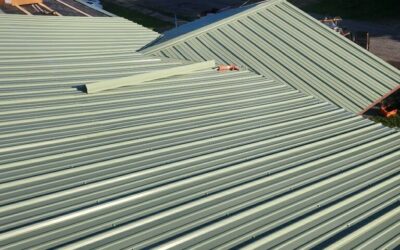
A roof valley is the line created where two sloping roof planes meet. It usually forms a channel that carries water and runoff down to the gutters. Because valleys collect more water than almost any other part of a roof, they are both vital and vulnerable. Proper construction, flashing, and maintenance are essential to keeping valleys watertight.
Why Valleys Are So Important
- Water Control – Valleys handle concentrated streams of water during rainfall. If not properly designed, water can seep beneath shingles and cause leaks.
- Snow and Ice Drainage – In colder regions, valleys help guide melting snow and ice off the roof. Without them, water could pool and refreeze.
- Longevity of the Roof – When valleys are reinforced with flashing or specialized shingles, they extend the life of the roof by protecting against moisture damage.
- Aesthetic Lines – Beyond function, valleys add to the visual design of the roof, emphasizing angles and contours.
Types of Roof Valleys
Not all valleys are built the same way. The type depends on roofing materials, local climate, and the builder’s preferences.
1. Open Valley
An open valley uses sheet metal (often aluminum, steel, or copper) to line the valley. Shingles are trimmed back from the centerline, leaving the flashing visible.
- Advantages: Water flows smoothly down the metal channel, less debris gets trapped, and it’s easier to inspect.
- Disadvantages: The flashing is visible, which some homeowners find less appealing.
2. Closed Valley
A closed valley hides the metal flashing beneath overlapping shingles. This creates a seamless look.
- Advantages: Aesthetic appeal, shingles blend together with no exposed flashing.
- Disadvantages: Can trap debris more easily and may wear faster if water flow is heavy.
3. Woven Valley
In a woven valley, shingles from both sides overlap each other in a crisscross pattern across the valley.
- Advantages: Strong construction and no exposed metal.
- Disadvantages: Works best with three-tab shingles; architectural shingles may look bulky when woven.
4. Cut Valley
This method trims shingles from one roof plane to meet flush against shingles from the other plane, leaving a clean line down the valley.
- Advantages: Clean appearance and functional.
- Disadvantages: Installation requires precision to prevent water infiltration.
Common Materials Used in Roof Valleys
- Metal Flashing – Galvanized steel, copper, or aluminum sheets are common. They’re durable, water-resistant, and provide smooth water flow.
- Ice and Water Shield – In colder climates, a self-adhering membrane is often installed beneath valleys to prevent leaks from ice dams.
- Shingles – Asphalt, wood, or synthetic shingles cover the valley edges, depending on the type of installation.
How Roof Valleys Are Installed
- Deck Preparation – Valley areas must be reinforced with underlayment or membrane before flashing or shingles are added.
- Laying the Underlayment – Ice and water shields or felt paper are applied for added protection.
- Flashing Installation – Metal flashing is placed in open valleys or beneath shingles in closed systems.
- Shingle Placement – Shingles are carefully cut and aligned so they direct water into the valley.
- Sealing and Fastening – Nails must be placed carefully to avoid puncturing vulnerable areas.
Proper installation is essential, as even small mistakes in a valley can lead to leaks.
The Role of Valleys in Roof Drainage
Valleys collect runoff from large sections of roof. For example, in a “T” shaped house, two roof slopes might drain into the same valley. During heavy rains, that valley could carry several gallons of water per minute. If the valley isn’t properly designed with flashing and slope, that water can back up, damage shingles, or seep into the underlayment.
Common Problems in Roof Valleys
1. Leaks
Valleys are one of the most common areas for roof leaks. Causes include improper flashing, nail placement too close to the valley line, or deterioration of materials.
2. Ice Dams
In colder climates, snow can melt on the roof and refreeze in the valley, creating a dam. This can force water backward beneath shingles.
3. Debris Buildup
Leaves, twigs, and dirt can collect in valleys, preventing proper water flow. This increases the risk of leaks and accelerates wear on shingles.
4. Rust or Corrosion
For open valleys that use exposed metal flashing, corrosion can develop over time if the metal isn’t treated or if water sits on the surface.
Maintenance Tips for Roof Valleys
- Regular Inspections – Check valleys at least twice a year and after major storms.
- Clear Debris – Remove leaves and twigs to keep water flowing freely.
- Watch for Nail Pops – Ensure nails aren’t backing out near valleys, as they can pierce flashing or shingles.
- Check for Cracks in Shingles – Shingles along valleys wear faster due to concentrated water flow.
- Sealants and Coatings – Use roofing cement sparingly to repair small cracks or secure loose shingles, but avoid heavy sealing that prevents water flow.
How Long Do Roof Valleys Last?
The lifespan of a valley depends on materials and climate:
- Metal flashing – 20 to 50 years depending on quality.
- Asphalt shingles in valleys – 20 to 30 years if maintained.
- Ice and water shield membranes – 20+ years when installed correctly.
With proper maintenance, valleys typically last as long as the roof itself.
Cost Considerations
Installing or repairing a roof valley depends on the roof size, materials, and complexity.
- New roof valley (with flashing): $300 to $1,000 depending on material and length.
- Repairing valley leaks: $200 to $800 for small fixes.
- Replacing valley flashing during re-roofing: Often included in the overall roof cost.
Copper flashing valleys will be more expensive than aluminum or galvanized steel, but they offer unmatched durability and appearance.
Roof Valleys in Different Climates
- Cold climates: Valleys need ice and water shield membranes to resist ice damming.
- Rain-heavy climates: Open metal valleys are better for shedding large amounts of water.
- Hot climates: Reflective materials like aluminum flashing can help reduce heat absorption.
Architectural Styles and Roof Valleys
Certain home designs make roof valleys more common or complex:
- Cape Cod and Colonial homes often feature steep rooflines with multiple valleys.
- Modern homes with intersecting rooflines can have elaborate valley systems.
- Tudor-style houses may have decorative valleys with contrasting shingles.
The number of valleys can significantly affect both cost and maintenance.
Signs of Trouble in a Roof Valley
Homeowners should look for:
- Water stains on ceilings directly beneath valleys.
- Granule loss on shingles near the valley line.
- Moss or algae growth in shaded valley areas.
- Visible rust or corrosion on open metal flashing.
- Curling or cracked shingles along the valley.
Early detection and repair prevent small issues from turning into costly water damage.
Repairing a Roof Valley
Repairs vary depending on the problem:
- Replacing flashing – Old, rusted, or corroded flashing is removed and replaced with new metal.
- Resealing shingles – Loose or cracked shingles are replaced or secured with roofing cement.
- Membrane installation – In ice-dam prone regions, a self-adhering membrane may be installed under shingles.
- Partial valley replacement – If damage is localized, only the valley section may be repaired without replacing the entire roof.
Preventing Roof Valley Issues
- Install ice and water shield under every valley during roof construction.
- Choose high-quality flashing materials such as copper or steel.
- Ensure shingles are cut and nailed correctly during installation.
- Clean valleys regularly, especially if trees hang over the roof.
- Schedule professional inspections every few years.
Roof Valleys and Home Value
A well-maintained roof valley not only protects a home but also adds to curb appeal. Visible rust, leaks, or sagging valleys can make a home look poorly maintained, potentially lowering resale value. Conversely, neat and properly flashed valleys enhance the appearance of the roofline.
Valleys in Special Roofing Materials
- Metal Roofs: Use factory-formed valley pans to handle heavy water flow.
- Tile Roofs: Valleys often require wider flashing to guide water between overlapping tiles.
- Wood Shingles/Shakes: Valleys must be carefully designed to prevent water from soaking into wood edges.
- Synthetic Roofing: Works well with closed or open valleys, depending on manufacturer guidelines.
Professional vs. DIY Valley Work
While homeowners can clear debris and inspect valleys, installation or major repairs should be left to professionals. Roof valleys are complex areas where mistakes often lead to leaks. Contractors have the tools and knowledge to properly install flashing and shingles in these high-stress zones.
Final Thoughts
The valley on a roof may look like a simple line where two slopes meet, but its role is vital. Roof valleys are responsible for channeling enormous amounts of water, snow, and debris safely off the roof. Proper installation, flashing, and maintenance keep them strong, while neglect can lead to leaks and costly repairs.
For homeowners, understanding valleys means recognizing their importance, knowing the different types, and keeping them clean and inspected. When designed and maintained correctly, roof valleys protect your home, extend the lifespan of your roofing system, and maintain its curb appeal for years to come.440-235-3124