(440) 307-2060
Warning Signs You Need a New Roof: The Complete 2025 Homeowner’s Guide
Introduction
Your roof protects your home, your family, and everything inside it. But like any part of your house, it won’t last forever. Knowing when to replace your roof can save you thousands of dollars in costly repairs or water damage.
In this comprehensive guide, we’ll walk you through the most important warning signs that indicate you need a new roof. You’ll learn what to look for from the outside and inside, what roofing materials tell you about their lifespan, and how to act before problems escalate.
1. How Old Is Your Roof?
One of the first things to check is your roof’s age. Most roofs have a typical lifespan depending on the material used:
- Asphalt Shingles: Usually last 20-30 years
- Wood Shingles or Shakes: 20-40 years
- Metal Roofing: 40-70 years
- Tile Roofing (Clay or Concrete): 50+ years
- Slate Roofing: Can last 75-100+ years
If your roof is approaching or exceeding these lifespans, it’s wise to start planning a replacement, even if you don’t see obvious damage yet. Over time, roofing materials degrade and lose their effectiveness.
2. Curling, Cracking, or Missing Shingles
The shingles are your roof’s first line of defense against the elements. When they show signs of damage, your roof is under stress:
- Curling Shingles: When shingles curl up at the edges or cup inward, it’s a sign they are worn out or trapped moisture is causing warping.
- Cracked Shingles: Shingles that are cracked or brittle are no longer waterproof and allow water to seep under them.
- Missing Shingles: If shingles are missing entirely, the roof’s underlayment and decking are exposed to the weather and at risk of damage.
These issues compromise your roof’s ability to protect your home and usually indicate it’s time for a replacement rather than repair.
3. Excessive Granule Loss
If your roof has asphalt shingles, you might notice granules in your gutters or at the base of downspouts. These granules protect shingles from UV rays and help with water runoff. When you see an excessive amount of granules:
- It means your shingles are deteriorating and losing their protective coating.
- Bald patches on shingles where granules are missing indicate weak spots that can develop leaks.
This granule loss often signals the roof is at the end of its useful life.
4. Moss, Algae, and Lichen Growth
If your roof has dark streaks, green moss, or lichen growing on it, this isn’t just an aesthetic problem:
- Moss retains moisture against the shingles, which can lead to rot and damage over time.
- Algae may discolor the roof but also signals that moisture has been persistent.
- Lichen growth is a combination of fungus and algae that damages roofing materials gradually.
Left untreated, these growths can cause shingles to lift or weaken, increasing the risk of leaks.
5. Water Stains and Leaks Inside Your Home
Sometimes, the best way to detect a roof problem is inside your home. Look for:
- Water Stains on Ceilings and Walls: These appear as yellow or brown discolorations and usually indicate a roof leak.
- Peeling or Bubbling Paint: Moisture entering from the roof can cause interior paint or wallpaper to peel.
- Mold or Mildew Smells: Persistent moisture from leaks encourages mold growth, which is a health risk.
- Wet or Damp Attic Insulation: Check your attic for wet or soggy insulation as this is a telltale sign of a leak.
If you notice any of these signs, your roof is letting water in, and a replacement may be necessary.
6. Daylight Through the Roof Boards
If you inspect your attic and can see beams of daylight shining through the roof boards, this means:
- There are gaps or holes in the roof decking.
- Water and pests can easily enter your home through these openings.
Visible daylight in the attic is a serious warning that your roof’s structural integrity is compromised and replacement should be considered.
7. Sagging Roof Deck or Uneven Roofline
A sagging roof is an unmistakable warning sign of structural damage:
- It usually means the roof decking or supporting beams are rotten or weakened by water damage.
- An uneven roofline is often a sign that the roof is losing its shape due to prolonged issues.
Sagging roofs require immediate attention and often a full replacement rather than just patch repairs.
8. Damaged or Rusted Flashing
Flashing is the metal barrier installed around chimneys, vents, and skylights to keep water out. If your flashing is:
- Rusted
- Cracked
- Missing or loose
It can cause serious leaks around roof penetrations. Repairing flashing alone may help temporarily, but if it’s severely damaged or recurring, a roof replacement might be a better long-term solution.
9. Roof Material-Specific Issues
Different roofing materials show different signs of aging:
- Wood Shingles: May split, crack, or become brittle with age.
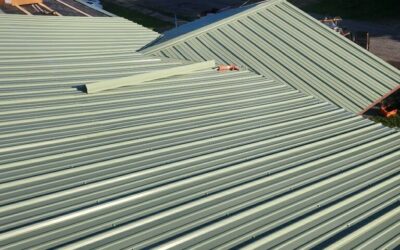
- Metal Roofs: Can rust, corrode, or develop holes.
- Tile Roofs: Individual tiles may crack or slip out of place.
- Slate Roofs: Slate pieces can chip or break off, reducing protection.
If these signs are widespread rather than isolated, replacement is likely the best option.
10. Increasing Energy Bills
If your heating or cooling bills suddenly increase, your roof might be a culprit:
- Older or damaged roofs can lose insulation efficiency, allowing heat to escape in winter or enter in summer.
- This forces your HVAC system to work harder, raising your energy bills.
In this case, a new roof with modern insulation and ventilation features can reduce costs and increase comfort.
11. Ice Dams in Cold Climates
If you live in a cold climate, look for ice dams forming along the edges of your roof:
- Ice dams form when warm air escapes into the attic and melts snow on the roof, which then refreezes at the eaves.
- This causes water to back up under shingles and leak inside your home.
Ice dams can indicate poor roof ventilation or insulation, and if recurring, may mean it’s time for a roof replacement.
12. Neighbor’s Roofs Are Being Replaced
Homes built around the same time often share roof lifespans. If you notice neighbors replacing their roofs:
- It could mean your roof is similarly aged and may soon require replacement.
- Staying proactive can save you from last-minute emergencies.
13. DIY Roof Inspection Tips
Regular inspections help catch problems early. Here’s a quick checklist:
- Look for damaged, curled, or missing shingles from the ground using binoculars.
- Check gutters for granules or shingle debris.
- Inspect attic for daylight, stains, or dampness.
- Examine flashing and roof penetrations carefully.
- Look for moss or algae buildup.
- Monitor energy bills for spikes.
If you spot multiple warning signs, schedule a professional inspection.
14. When to Call a Professional
DIY inspections are useful but don’t replace professional assessments. Roof experts can:
- Identify hidden damage not visible to the untrained eye.
- Safely access steep or high roofs.
- Provide cost estimates and repair vs. replacement advice.
- Recommend the best materials for your budget and climate.
If you have any doubt, it’s better to call a roofing contractor before small issues become disasters.
15. Cost Considerations for Roof Replacement
Roof replacement costs depend on:
- Roof size and pitch
- Materials chosen
- Labor costs in your area
- Removal of old roofing
- Repairs to decking or structure if needed
While the upfront cost may feel high, a new roof protects your home’s value and prevents costly interior damage.
16. Benefits of Timely Roof Replacement
- Protects Your Home from Water Damage: A sound roof prevents leaks and structural decay.
- Improves Energy Efficiency: Modern materials help insulate and ventilate better.
- Increases Curb Appeal and Home Value: A new roof boosts resale value.
- Peace of Mind: You avoid emergency repairs and stress.
17. Final Thoughts
Your roof is one of the most critical parts of your home. Understanding and recognizing the warning signs of roof failure ensures you can take action before problems get worse.
From shingle damage and moss growth to attic leaks and sagging rooflines, these signs should never be ignored. Regular inspections and professional advice will help you decide when it’s time to replace your roof—protecting your home and your investment for years to come.
FAQ
Q: How often should I inspect my roof?
A: Twice a year, ideally in spring and fall, and after major storms.
Q: Can I repair some signs instead of replacing the whole roof?
A: Minor damage may be repaired, but widespread issues usually require replacement.
Q: What is the average cost of roof replacement?
A: Costs vary widely depending on size and materials but plan for $5,000 to $15,000 on average.
Q: Will insurance cover a new roof?
A: Only if damage is caused by a covered event, like a storm. Wear and tear isn’t covered.
If you’re noticing any of these warning signs, don’t wait. Contact a trusted roofing professional to schedule an inspection and keep your home safe and dry.