(440) 307-2060
Water Dripping from Roof: Causes, Costs, and Solutions for Homeowners
There are few sights more concerning for a homeowner than water dripping from roof areas into the living space. A drip that starts small can quickly turn into stained ceilings, weakened drywall, or even mold growth if not addressed. Understanding what causes water to drip from your roof, how to fix it, and what it might cost is essential for protecting your home and budget. This detailed guide explains everything you need to know, from identifying leaks to repair options and prevention tips.
Why Water Dripping from Roof Is a Serious Problem
Even a slow drip isn’t harmless. When water infiltrates roofing materials and makes its way into your home, it can:
- Weaken structural framing over time
- Destroy insulation and reduce energy efficiency
- Lead to mold or mildew growth, which poses health risks
- Damage ceilings, walls, and flooring
- Lower property value and compromise curb appeal
Because of these risks, a drip should never be ignored. The sooner you investigate and address the issue, the less it will cost and the less extensive the damage will be.
Common Causes of Water Dripping from Roof
Several different issues can result in water making its way into your home. Below are the most frequent causes.
1. Damaged Shingles
Asphalt shingles naturally degrade over time. Granules wash away, shingles crack or curl, and eventually, they stop providing a watertight seal. Water can seep underneath and drip into your attic or ceiling.
2. Worn or Improper Flashing
Flashing seals the joints where different roof surfaces meet — around chimneys, skylights, or vents. If flashing becomes loose, corroded, or installed incorrectly, water can leak through gaps.
3. Clogged Gutters
When gutters clog with leaves, dirt, or ice dams, water has nowhere to go. Instead of draining away, it backs up under shingles or overflows onto siding, sometimes leading to drips inside the home.
4. Roof Valleys and Seams
Where two roof slopes meet, valleys channel water. If valley flashing or shingles are compromised, water concentrates in that area and finds entry points.
5. Ice Dams in Winter
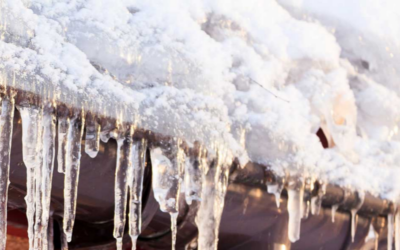
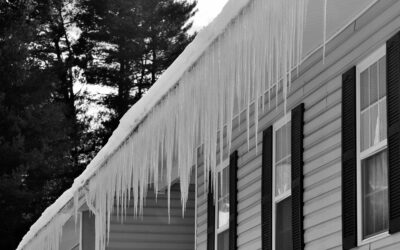
In colder climates, melting snow can refreeze at the eaves, forming ice dams. These push melting water backward under shingles and into the roof structure, often appearing as drips inside.
6. Skylights and Chimneys
Improper sealing around skylights and chimneys is one of the most common sources of localized leaks. Even small gaps allow steady dripping.
7. Roof Punctures
Storms, falling branches, or foot traffic can puncture shingles or membranes. Left unchecked, even small punctures result in significant interior drips during heavy rain.
How to Identify the Source of Water Dripping from Roof
Finding the exact cause isn’t always simple. Water travels along rafters, insulation, or ceilings before dripping, making it appear far from the actual entry point. Professional roofers often use these techniques:
- Attic Inspection: Looking for damp insulation, water stains, or mold near rafters.
- Tracing Stains: Following water marks back to their origin point.
- Moisture Detection Tools: Thermal imaging or moisture meters to identify hidden leaks.
- Exterior Examination: Checking shingles, flashing, gutters, and roof valleys.
Homeowners can attempt basic inspections, but often professional expertise is required to pinpoint the issue and prevent misdiagnosis.
Costs to Repair Water Dripping from Roof
One of the biggest questions homeowners ask is: How much will it cost to fix? The price varies widely depending on the cause and severity.
Average Repair Ranges
- Shingle Replacement (small area): $150 – $400
- Flashing Repair/Replacement: $300 – $800 per section
- Valley Leak Repairs: $500 – $1,500 depending on scope
- Gutter Cleaning & Repair: $100 – $350
- Ice Dam Removal: $400 – $1,200
- Skylight Leak Repair: $300 – $1,000
- Plywood Deck Replacement (localized): $500 – $2,500
- Full Roof Replacement (severe, widespread leaks): $7,000 – $15,000+
These numbers vary depending on roof size, material, labor rates in your region, and how extensive the water damage has become.
Temporary Fixes for Water Dripping from Roof
If you notice dripping and need immediate action before a professional arrives, temporary fixes can minimize damage:
- Use Buckets or Containers: Catch drips to prevent water from spreading on floors.
- Relieve Pressure: If water bulges behind drywall or ceilings, carefully puncture a small hole to let it drain into a bucket, preventing collapse.
- Apply a Tarp: Cover the roof area with a heavy-duty tarp secured tightly to keep additional rain out.
- Seal Small Cracks with Roofing Cement: As a short-term patch until permanent repairs are done.
Remember, these are temporary measures only. Long-term solutions require professional repair.
Long-Term Repairs for Roof Drips
Permanent fixes depend on the cause of the leak:
- Replacing Damaged Shingles: Ensures a watertight surface.
- Installing New Flashing: Provides proper sealing around joints.
- Repairing Gutters & Downspouts: Ensures water flows away correctly.
- Adding Ice & Water Shield Underlayment: Protects vulnerable areas from ice dam issues.
- Re-sealing Skylights & Chimneys: Ensures no gaps allow infiltration.
- Structural Repairs: If decking or rafters are rotted, replacement is necessary.
Insurance and Water Dripping from Roof
Many homeowners wonder if insurance will cover leaks. It depends on the cause:
- Covered: Storm damage (hail, wind, fallen tree branches), accidental impact.
- Not Covered: General wear and tear, poor maintenance, age-related deterioration.
Document the damage with photos and keep receipts from temporary fixes or inspections. If the cause qualifies, file a claim promptly.
Preventing Water Drips from Your Roof
Prevention is always less costly than repair. To keep drips from happening:
- Schedule Roof Inspections: Once or twice a year, especially after storms.
- Clean Gutters Regularly: Remove leaves and debris to prevent water backup.
- Trim Trees: Prevent falling branches and reduce debris.
- Inspect Attic: Look for dampness, staining, or mold regularly.
- Upgrade Ventilation: Proper airflow reduces moisture buildup and ice dams.
- Replace Aging Roofs: Don’t wait until leaks become unavoidable.
Signs It’s Time to Replace Instead of Repair
Sometimes the cost of fixing water dripping from roof areas adds up to nearly the same as a new roof. Consider replacement if:
- Your roof is over 20–25 years old (for asphalt shingles).
- Leaks occur in multiple locations.
- You’ve had repeated repairs in a short time.
- Shingles show widespread curling, cracking, or granule loss.
- Decking or rafters are severely weakened.
A new roof is a significant investment but can provide peace of mind and save on recurring repair bills.
DIY vs Professional Repairs
Homeowners often wonder if they should attempt roof leak repairs themselves.
- DIY Repairs: Best for very small issues like sealing tiny cracks or replacing a single shingle. Risky due to roof heights, fall hazards, and potential for incorrect repairs.
- Professional Repairs: Recommended for most leaks. Roofers have the tools, knowledge, and materials to ensure long-lasting fixes. They also provide warranties.
The risk of further damage or personal injury makes professional help the safer and smarter choice in most cases.
Long-Term Benefits of Addressing Roof Drips Quickly
Fixing leaks as soon as they start offers huge benefits:
- Protects Structural Integrity: Prevents wood rot and framing issues.
- Maintains Indoor Air Quality: Reduces risk of mold and mildew.
- Saves Money: Early repairs cost far less than extensive water damage.
- Extends Roof Life: Regular upkeep delays the need for full replacement.
- Preserves Home Value: A sound roof reassures future buyers.
Case Examples
To illustrate cost and impact:
- Minor Drip from Damaged Shingle: Homeowner noticed a ceiling stain during heavy rain. Contractor replaced 3 shingles and applied sealant. Cost: $250. Problem solved.
- Flashing Failure Around Chimney: Drip spread into attic insulation. Flashing replaced, some insulation removed and replaced. Cost: $1,200.
- Neglected Drip Leading to Decking Rot: Small drip ignored for months led to sagging roof section. Required replacing shingles, underlayment, and 10 sheets of plywood. Cost: $4,800.
These examples highlight the value of fast action.
Conclusion
Seeing water dripping from roof areas is a red flag that should never be ignored. Whether the cause is damaged shingles, faulty flashing, clogged gutters, or ice dams, water infiltration leads to expensive structural and interior damage if left untreated.
Repair costs can range from a couple hundred dollars for minor fixes to thousands for major structural repairs or replacements. The key is early detection, professional repair, and regular maintenance to keep your roof in good condition.
By understanding the causes, repair methods, and prevention strategies, you can protect your home, save money, and ensure your roof continues doing its job — keeping your home safe and dry for years to come. 440-235-3124