(440) 307-2060

“Water Leakage from Ceiling: What Every Homeowner Needs to Know”—crafted for your brand S&K Construction and Remodeling LLC, highlighting your expertise in roofing, ceiling repair, and leak resolution across Northeast Ohio, including Youngstown, Lyndhurst, Twinsburg, Willoughby, and more.
Water Leakage From Ceiling: What Every Homeowner Needs to Know
Water stains on the ceiling. Drips falling into a bucket. That musty, damp smell creeping into your home. These are all signs of one major issue: water leakage from the ceiling. It’s a problem that no homeowner wants to deal with, but when it happens, it needs immediate attention.
If you’re Googling “water leakage from ceiling” while standing under a wet spot in your living room, you’re in the right place. At S&K Construction and Remodeling LLC, we specialize in finding and fixing roof leaks before they destroy your ceilings, walls, and home.
In this guide, we’ll cover:
- What causes water leakage from ceilings
- Signs of ceiling water damage
- Who to call and what to do
- The difference between a plumbing leak and a roof leak
- How ceiling leaks are diagnosed
- Emergency response tips
- Long-term risks of ignoring leaks
- Repair options: partial vs. full replacement
- How we help with insurance claims
- Why S&K Construction is the trusted choice in Northeast Ohio
- Areas we serve
- How to prevent future ceiling leaks
Let’s get started—because every drip counts.
1. What Causes Water Leakage From Ceiling?
Water leakage from a ceiling can happen for several reasons. It’s important to know where it’s coming from so the right fix can be applied.
🔧 Common Causes:
- Roof leaks: Damaged shingles, flashing, or underlayment
- Clogged gutters: Causes water to back up and seep under the roof
- Plumbing issues: Burst pipes or leaky connections between floors
- HVAC condensation: Poorly insulated ductwork or AC units
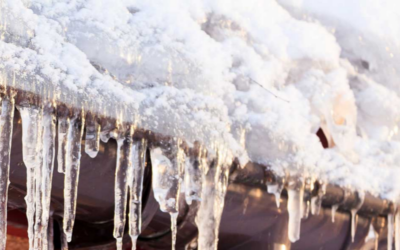
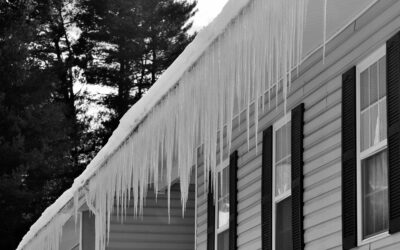
- Ice dams: Winter runoff trapped under the shingles
- Poor ventilation: Causes excess moisture buildup in the attic
The most common source? A leak in the roofing system—and that’s our specialty.
2. Signs You Have a Ceiling Leak
Some signs of ceiling water leakage are obvious, but others creep in slowly over time. Spotting them early can prevent disaster.
✅ Key Indicators:
- Yellow or brown water stains on the ceiling
- Bubbling, peeling, or cracking paint
- Sagging or bulging areas in drywall
- Water dripping from ceiling light fixtures
- Musty odors from mold or mildew
- Mold growth on ceiling or attic wood
- Warping or soft spots in the ceiling texture
If you’re noticing any of these, call S&K Construction and Remodeling LLC right away. We offer fast inspections and emergency repairs across Northeast Ohio.
3. Who to Call When Your Ceiling Leaks
This is one of the most common questions homeowners have:
“Who should I call when water is leaking from my ceiling?”
Your First Call Should Be a Roofing Expert
If the leak is on your top floor, or seems to be coming from above the ceiling, the most likely source is a roof issue. That’s where we come in.
At S&K Construction, we specialize in identifying and repairing roof-related ceiling leaks. As an Owens Corning Preferred Contractor, we bring industry-leading experience and products to every job.
4. Roof Leak vs Plumbing Leak: How to Tell the Difference
It can be tricky to tell whether your ceiling leak is coming from the roof or a pipe inside the wall.
🔍 Clues It’s a Roof Leak:
- Leak happens during or right after a storm
- Stains appear after heavy rain
- The attic above the ceiling is wet or moldy
- Your roof is over 15 years old
🚿 Clues It’s a Plumbing Leak:
- Leak is consistent regardless of weather
- It’s near a bathroom, kitchen, or laundry room
- You hear dripping even on dry days
Still unsure? That’s okay. Our team can inspect the roof, attic, and ceilings to pinpoint the exact source of the leak.
5. How Ceiling Leaks Are Diagnosed
Diagnosing a ceiling leak isn’t just about looking at stains. Our expert technicians use a thorough process:
Our 4-Step Leak Detection Process:
- Visual Inspection: Inside and outside your home
- Attic Assessment: To find moisture, mold, or wet insulation
- Infrared Camera Scanning: To spot hidden moisture
- Roof Evaluation: To identify damage to shingles, flashing, or underlayment
Once we locate the source, we’ll explain your options clearly and walk you through the next steps.
6. Emergency Tips for Active Leaks
If you have water dripping through your ceiling right now, here’s what to do until help arrives:
🚨 Step-by-Step Emergency Response:
- Place a bucket or pan under the leak
- Move furniture or valuables out of the way
- Poke a small hole in the sagging ceiling with a screwdriver (to relieve pressure)
- Turn off power to nearby electrical fixtures
- Call S&K Construction and Remodeling LLC for emergency repair service
We offer fast response times in Youngstown and surrounding cities to help stop further damage.
7. The Risks of Ignoring a Leaky Ceiling
A small leak may not seem urgent—but water damage always gets worse over time.
🚫 What Happens If You Wait:
- Mold growth in ceiling and attic
- Electrical damage or fire risk
- Rotting wood or drywall collapse
- Decreased home value
- Costlier repairs down the road
- Insurability issues if damage worsens
If you notice a ceiling leak, don’t delay. Get a professional inspection right away.
8. Roof Leak Repair Options
Depending on the cause and extent of the damage, we’ll recommend either targeted repair or full roof replacement.
🔧 Repair:
- Missing or lifted shingles
- Small sections of flashing damage
- Isolated water intrusion
🏠 Replacement:
- Extensive storm damage
- Roof is 15–30 years old
- Water intrusion in multiple areas
- Mold growth or rot in the decking
We’ll help you determine the most cost-effective and long-lasting solution for your situation.
9. Insurance Help for Ceiling Water Leaks
Wondering if your homeowners insurance will pay for repairs? Good news—it often does.
✅ Covered:
- Storm damage
- Tree branch impact
- Sudden roof failure
❌ Not Covered:
- Age-related wear
- Pre-existing damage
- Neglected maintenance
We’ll provide:
- Detailed inspection reports
- Photo and video evidence
- Assistance working with your adjuster
- Documentation that supports your claim
If your claim was denied before, we can help appeal or refile it properly.
10. Why Choose S&K Construction and Remodeling LLC?
We’re not just another roofing company. We’re your local, trusted home restoration partner, with hundreds of successful leak repairs across Northeast Ohio.
Here’s what sets us apart:
- 🛠️ Owens Corning Preferred Contractor
- ⭐ Hundreds of 5-star Google Reviews
- 📍 Locally owned and operated
- 💵 Flexible financing available
- 📸 Visual inspections and digital reporting
- 🧼 Clean, respectful crews
- 💬 Transparent communication and honest pricing
Whether you need a quick patch or a full roof overhaul, we’ll treat your home like it’s our own.
11. Service Areas
We proudly serve Youngstown and the entire Northeast Ohio region, including:
- Twinsburg
- Lyndhurst
- Willoughby
- Euclid
- Medina
- Beachwood
- Chardon
- Concord
- Kirtland Hills
- Mayfield Heights
- Madison
- Gates Mills
- Pepper Pike
- Walton Hills
- Cleveland Heights
If you’re in any of these cities and searching for “roofers near me” or “ceiling water leak help,” we’re ready to assist.
12. How to Prevent Future Leaks
Once your leak is fixed, it’s time to think long-term. Regular maintenance can keep your roof and ceilings dry for years to come.
🛡️ Prevention Tips:
- Get annual roof inspections
- Clean your gutters at least twice a year
- Watch for missing shingles after storms
- Ensure proper attic ventilation
- Replace old roofing before it fails
We offer preventive maintenance packages that give you peace of mind year-round.
Final Thoughts: Water Leakage From Ceiling? Call Us Today
Water damage is stressful, dangerous, and expensive—but only if it’s ignored. The good news is, you’ve got a trusted team on your side.
At S&K Construction and Remodeling LLC, we handle everything from leak detection to full roof replacement, with expert craftsmanship and top-tier customer care.
📞 Ready to fix that ceiling leak?
Contact S&K Construction and Remodeling LLC today for a FREE roof inspection or emergency leak repair.
Don’t Wait for the Drip to Become a Disaster.
Call the leak repair pros at S&K Construction today.