(440) 307-2060
Everything You Need to Know About Composite Shingles
Introduction
What are Composite shingles—also known as synthetic shingles—are rapidly gaining popularity among homeowners and roofing professionals. Made from composite materials, they offer a remarkably long lifespan, durability, and design flexibility that often outpaces traditional roofing options like asphalt.
This guide provides a thorough look at what composite shingles are, how they’re made, their key advantages and potential drawbacks, typical costs, installation considerations, and other helpful insights.
What Are Composite Shingles?
Composite shingles are roofing tiles made from a blend of materials such as fiberglass, recycled plastics, rubber, slate, wood fibers, and sometimes asphalt or resin. Manufacturers customize blends to achieve the look and performance they want, often mimicking premium materials such as slate tiles or cedar shake while offering enhanced durability.
Some composite shingles incorporate recycled materials and special coatings designed to boost longevity, impact resistance, and energy efficiency.
Benefits of Composite Shingles
Long Lifespan
These shingles often come with warranties ranging from 30 to 50 years—or even lifetime coverage. With proper installation and care, they can last four to five decades, outpacing most standard asphalt shingles.
Exceptional Durability
Composite shingles withstand harsh weather, poor drainage, and prolonged sun exposure better than asphalt. Many are rated for high-impact events and resist damage from hail, wind, and UV radiation. They’re also tough against mold, rot, and insects.
Wide Range of Styles and Colors
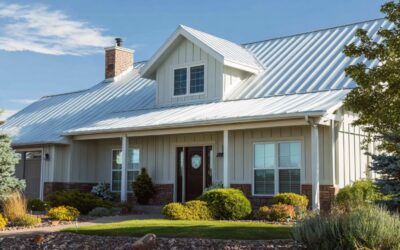
Composite shingles can convincingly mimic wood, slate, and other premium materials. They’re available in many shades and patterns, giving homeowners wide creative flexibility in matching their roofs to their home’s architecture.
Lightweight
Despite their durability, composite shingles are generally no heavier than asphalt—with advantages for ease of installation and, in many cases, no need for reinforcing existing roof structures.
Low Maintenance
They resist common roofing problems like moss, algae, cracking, and warping, and repairs are usually limited to replacing individual shingles as needed.
Energy Efficiency
Some types reflect sunlight and reduce heat absorption, helping to keep homes cooler in summer and reducing cooling costs.
Eco-Friendly
Many composite shingles include recycled materials and can be recycled at the end of their life. Their long lifespan means fewer replacements and waste over time.
Drawbacks to Consider
Higher Upfront Cost
Composite shingles are more expensive than asphalt—often two to three times the initial price. While long-term savings can offset this, the initial investment is significantly higher.
Heat and UV Sensitivity
Without proper attic ventilation, heat buildup can speed up wear. Certain composite materials may require added ventilation to avoid premature breakdown.
Less Long-Term Data
As a relatively newer technology, there’s less historical data on real-world long-term performance—though industry warranties offer some reassurance.
Color Fading
Over years in intense sun, some styles may fade or lose vibrancy. This mainly affects appearance and usually doesn’t impair function.
Limited Availability
Not all regions carry a wide selection of composite shingles, which can add shipping costs or delay installations.
Composite vs. Asphalt Shingles
| Feature | Composite Shingles | Asphalt Shingles |
|---|---|---|
| Lifespan | 30–50 years or more | 15–30 years |
| Durability | High impact and weather resistance | Moderate, more prone to failure |
| Cost | Higher upfront | Lower upfront |
| Weight | Lightweight | Lightweight |
| Style & Appearance | Premium styles (slate, wood) | Traditional, fewer aesthetic options |
| Maintenance | Low upkeep | Moderate (moisture and algae-prone) |
| Energy Efficiency | Often reflective/insulative | Less efficient, unless reflective grade |
| Environmental Impact | Recycled content, recyclable | Often landfill-bound |
| Warranty | 30–50 years or lifetime | 15–30 years typically |
Composite shingles offer a more durable, long-lasting roof and expanded design possibilities, but at a higher initial cost. They’re stronger, low-maintenance, and often a better fit for premium, long-term builds.
Cost Breakdown
Typical costs (materials + installation, per square foot):
- Composite shingles: $7.00–$15.00
- For a 2,400 sq ft roof: $17,000–$36,000
- Asphalt shingles: $3.25–$7.25
- For the same roof: lower upfront, but shorter lifespan
- Other materials (tile, metal, slate): higher price ranges depending on type
Installation cost of composite shingles typically falls between $4.00–$8.00 per square foot. Material itself often costs $2.00–$4.00 per square foot, with premium options driving higher prices.
Installation Insights
Composite shingles generally share a similar installation process to asphalt:
- Laid in overlapping rows and nailed securely in place
- Lightweight nature makes them easier to handle on-site
- Contractors familiar with standard shingles usually adapt quickly
Some composite styles may require special underlayment or ventilation considerations. Always follow manufacturer instructions to maintain warranty coverage.
Lifespan Expectations
With regular inspections and proper roof ventilation, composite shingles should last 30 to 50 years. Some polymer or metal composites are rated closer to 50 years.
By comparison:
- Asphalt lasts 15 to 30 years
- Composite shingles last significantly longer with fewer concerns
Weather Resistance and Climate Performance
Composite shingles perform well across diverse weather conditions:
- Hold up in freezing temperatures without cracking
- Their reflective surfaces help with energy efficiency
- Shed rain and snow effectively, reducing ice dam risks
- Withstand high wind speeds (some tested up to 110–190 mph)
Compared to asphalt, which softens in heat and becomes brittle in cold, composites offer more balanced protection year-round.
Maintenance and Repairs
Minimal upkeep is one of composite shingles’ biggest benefits:
- Inspect annually and after storms
- Clean accumulated debris
- Replace individual shingles if damaged
- Ensure attic ventilation remains adequate
- Occasional inspection for color fading or granule loss
Real-World Considerations
- Check local supply—composite shingles may not always be stocked
- Ensure existing roof structure can support composite weight
- Factor in energy savings and lower maintenance in long-term budgeting
- For insurance: high-impact ratings and fire resistance can reduce premiums
Final Thoughts
Composite shingles blend long-term value, durability, aesthetic flexibility, and environmental sustainability. While the initial investment may be higher than traditional asphalt, the benefits often outweigh the cost over time. If you’re seeking a roof that marries beauty with substance and won’t need replacing for generations, composite shingles are worth strong consideration.