(440) 307-2060
What Does Hail Damage to a Roof Look Like? A Complete Homeowner’s Guide
When a storm passes through, one of the biggest concerns for homeowners is the possibility of roof damage. Many people wonder what does hail damage to a roof look like, because the signs are not always obvious from the ground. Hail can leave behind subtle or severe damage depending on the size of the stones, the force of the storm, and the type of roofing material. Recognizing the early signs of hail impact is important for keeping your home safe, preventing leaks, and extending the life of your roof.
Why Hail Damage Matters
Hailstorms can strike suddenly, and the damage they leave behind often goes unnoticed until a leak develops months later. Hailstones can weaken roofing materials, dislodge protective granules, and create cracks that allow water to seep in. Even small hailstones can cause problems if they hit with enough velocity.
Key reasons hail damage should never be ignored:
- Compromised shingles shorten the roof’s lifespan.
- Water intrusion leads to mold, rot, and interior damage.
- Insurance claims often depend on timely reporting.
- Hidden structural issues may worsen over time.
What Does Hail Damage to a Roof Look Like?
The appearance of hail damage varies depending on the roofing type. Here’s what to look for across the most common roof materials:
1. Asphalt Shingle Roofs
Asphalt shingles are the most common roofing material, and they are particularly vulnerable to hail impact.
Signs of hail damage include:
- Granule Loss: Dark spots where protective granules have been knocked away.
- Bruising: Soft spots you can feel when pressing the shingle surface.
- Cracks or Splits: Jagged lines across the shingle where hail struck.
- Exposed Fiberglass: In severe cases, the underlying fiberglass mat is visible.
2. Wood Shingle or Shake Roofs
Wood reacts differently than asphalt, showing more structural impact.
Look for:
- Splitting Along the Grain: Cracks that run parallel to the wood grain.
- Sharp Edges in Splits: Indicating fresh storm damage.
- Dents or Divots: Small depressions in the wood.
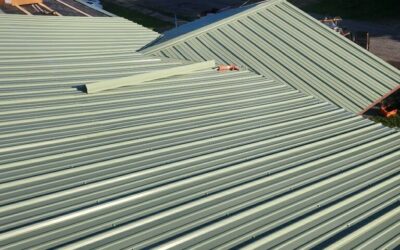
3. Metal Roofs
Metal roofing is extremely durable but not immune to hail.
Damage may include:
- Dings or Dents: Especially on softer metals like aluminum or copper.
- Paint Damage: Chipped or scratched paint exposing bare metal.
- Panel Distortion: Large hail can bend or warp panels.
4. Tile Roofs (Clay, Slate, or Concrete)
Tile roofs are highly durable but can crack or shatter under heavy impact.
Watch for:
- Cracked Tiles: Visible breaks that may let water through.
- Chipped Edges: Small pieces missing from corners.
- Shattered Sections: Severe storms can break tiles entirely.
Signs of Hail Damage Beyond the Roof
Sometimes the easiest way to determine if your roof was damaged is by checking other parts of your property:
- Gutters and Downspouts: Look for dents or chipped paint.
- Siding: Dings, cracks, or paint chips on exterior walls.
- Windows and Screens: Tears in screens or cracked glass.
- Decks and Fences: Fresh dents or splinters.
- Air Conditioners: Bent fins or dented housings.
These indicators suggest hail was strong enough to affect the roof as well.
Hail Damage vs. Normal Wear and Tear
It’s important to distinguish between hail damage and natural roof aging.
- Hail Damage: Random, circular impact marks, bruising, and dents.
- Wear and Tear: Uniform granule loss, curling shingles, and sun fading.
Insurance adjusters specifically look for impact-related markings, not age-related deterioration.
How to Safely Inspect for Hail Damage
If you suspect hail damage, here are safe inspection steps:
- Check from the Ground: Use binoculars to look for missing granules or dents.
- Examine Gutters: Granule buildup indicates shingle wear.
- Look at Roof Accessories: Vent caps, skylights, and flashing often show hail damage first.
- Consider a Professional Inspection: Roofs can be dangerous to climb, and trained roofers know what to look for.
Immediate Steps After a Hailstorm
- Document Damage – Take photos of affected areas around your home.
- Check Inside Your Home – Look for leaks or water stains on ceilings.
- Clear Debris Safely – Remove branches or hail buildup from gutters.
- Schedule an Inspection – If unsure, bring in a roofing professional.
The Role of Hail Size in Roof Damage
- Pea-Sized Hail (¼ inch) – Usually cosmetic, rarely causes serious roof damage.
- Marble to Quarter-Sized (½ to 1 inch) – Can knock granules off shingles and dent softer materials.
- Golf Ball-Sized (1¾ inches) – Significant damage, often leading to cracks and leaks.
- Baseball or Larger (2½ inches +) – Severe roof damage almost guaranteed.
Long-Term Risks of Ignoring Hail Damage
- Leaks and Water Intrusion: Small cracks grow into major leaks.
- Mold and Mildew: Moisture inside the attic creates health risks.
- Structural Damage: Rot weakens roof decking and rafters.
- Energy Loss: Damaged roofs lose insulation efficiency.
- Decreased Home Value: Buyers often avoid homes with storm-damaged roofs.
Repairing vs. Replacing a Hail-Damaged Roof
- Minor Damage: Small dents or limited granule loss may be repairable.
- Moderate Damage: Patches or partial replacements may be required.
- Severe Damage: Full roof replacement is often the safest option.
Maintenance Tips to Protect Against Future Hail Damage
- Regular Roof Inspections – Catch small issues early.
- Impact-Resistant Shingles – Consider Class 4 rated shingles for better protection.
- Strong Gutters – Reinforced gutters prevent clogging and overflow.
- Trim Nearby Trees – Reduce branches falling during storms.
- Routine Upkeep – Replace loose shingles or damaged flashing before storms hit.
Common Myths About Hail Damage
- “If I don’t see leaks, the roof is fine.”
False—damage can remain hidden for months. - “Only big hail causes roof problems.”
Not true—even small hail can wear down protective granules. - “Metal roofs can’t be damaged.”
Incorrect—metal roofs may not crack, but dents and coating damage are common.
Regional Differences in Hail Damage
- Midwest and Plains States: Frequent severe hailstorms lead to widespread roof damage.
- Southern States: High heat combined with hail accelerates shingle wear.
- Mountain Regions: Snow and hail together stress roofing systems.
How Homeowners Can Stay Prepared
- Monitor weather alerts during hail season.
- Keep emergency roof tarps available.
- Have a trusted roofing professional’s contact saved.
- Review your insurance coverage annually.
Final Thoughts
Knowing what does hail damage to a roof look like is one of the best ways to protect your home from long-term problems. From bruised asphalt shingles and cracked tiles to dented metal panels, hail leaves behind visible and hidden signs of destruction. By inspecting your roof, monitoring other parts of your property, and taking quick action after a storm, you can avoid costly repairs and extend the life of your home’s most important shield.
Your roof is the first line of defense against the elements, and understanding how hail impacts it ensures that you can protect your investment for years to come. 440-235-3124