(440) 307-2060
What Does Hail Damage to a Roof Look Like? A Complete Homeowner’s Guide
Storms can arrive suddenly and leave behind a trail of problems, but one of the most common questions homeowners ask afterward is: what does hail damage to a roof look like? Hail can strike shingles, flashing, gutters, skylights, and vents with enough force to compromise your roof’s integrity. The tricky part is that sometimes hail damage is obvious, while other times it’s subtle, only showing up months later as leaks or premature roof aging. Learning how to identify the signs can save you from expensive repairs and protect your home.
Why Hail Is So Damaging to Roofs
Hail may not seem threatening compared to high winds or fallen trees, but it can be just as destructive. A roof is built to handle rain, snow, and UV rays, yet hailstones bring something different: impact force.
- Size Matters – Small hail (pea-sized) may only cause cosmetic wear, while large hail (golf ball or larger) can puncture or crack roofing materials.
- Speed of Impact – Hailstones can reach speeds over 100 mph as they fall, which increases the amount of damage.
- Roofing Material – Asphalt shingles, wood shakes, metal, tile, and flat membranes each respond differently to hail.
- Roof Age and Condition – Older roofs with brittle materials suffer more damage from hail than newer ones.
Hail rarely hits evenly across a roof, so some slopes or sections may be more affected than others. That’s why careful inspection is so important.
What Does Hail Damage to a Roof Look Like?
The answer depends on the roofing material, but there are common signs across most roofs:
On Asphalt Shingle Roofs
Asphalt shingles are the most common roofing type in the U.S., and they show hail damage in distinctive ways:
- Bruising – Soft spots where the granules have loosened but not fully broken off. These feel like a bruise on an apple when pressed.
- Granule Loss – Dark spots where protective granules have been knocked away, exposing the asphalt underneath.
- Circular Craters – Small, round impact marks, often in a random pattern.
- Cracked Shingles – Larger hailstones may crack or split shingles.
- Exposed Fiberglass Mat – Severe impacts may break through to the fiberglass base.
On Wood Shake or Cedar Roofs
Wood shakes respond differently to hail because they are rigid and natural:
- Fractures Along the Grain – Splits in the wood that follow the natural grain.
- Sharp vs. Weathered Edges – Fresh hail splits have sharp edges, unlike older weathered cracks.
- Indentations – Depressions that follow the impact point of the hailstone.
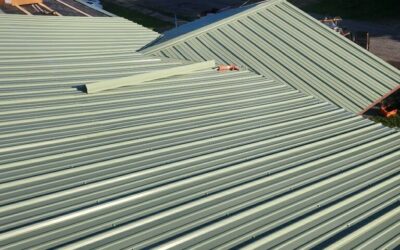
On Metal Roofs
Metal roofs are durable, but hail can still leave marks:
- Dents or Dings – Especially on thinner gauge panels.
- Paint Damage – Chipped or cracked coating that exposes bare metal.
- Seam or Fastener Issues – Large impacts may loosen seams or fasteners over time.
On Tile or Slate Roofs
Tile and slate are hard but brittle, so hail can:
- Crack or Break Tiles – Especially along corners or edges.
- Surface Chips – Small chunks knocked away, leaving sharp or jagged edges.
On Flat Roofs (Membrane Systems)
Commercial buildings and some homes use flat roofs with rubber or synthetic membranes:
- Punctures – Direct holes from larger hailstones.
- Surface Dimpling – Indentations across the roof membrane.
- Blisters – Weak points where the membrane has lifted.
Secondary Signs of Hail Damage
Sometimes hail damage isn’t immediately visible on the shingles themselves but shows up in other ways:
- Damaged Gutters and Downspouts – Look for dents, dings, or chipped paint.
- Dented Flashing or Vents – Metal components around chimneys, skylights, and edges often show impact first.
- Siding and Windows – Dings in siding or torn window screens can confirm hail impact nearby.
- Granules in Gutters – Excessive granules washing off shingles after a storm is a red flag.
Why Identifying Hail Damage Matters
Recognizing hail damage early is critical for several reasons:
- Preventing Leaks – Even small cracks or missing granules can allow water into your home over time.
- Extending Roof Life – Hail accelerates wear and tear; addressing it early prevents premature aging.
- Protecting Structural Integrity – Undetected leaks can damage insulation, drywall, and framing.
- Financial Savings – Catching damage sooner usually costs less to repair than waiting until major issues appear.
The Science Behind Hail Damage
It may help to understand why hail creates the distinctive marks it does. When hailstones strike, they deliver kinetic energy that breaks or bruises the surface. On asphalt shingles, this impact loosens granules and weakens the asphalt beneath. On wood, the force exploits natural weak points in the grain. On metal, the impact creates a permanent dent because the material flexes but does not return fully to shape. Each roofing type responds according to its unique physical properties.
How to Inspect Your Roof for Hail Damage
You don’t need to climb onto the roof yourself—many signs can be seen from the ground. Here’s a safe inspection routine:
- Walk Around the Home – Look for dents in gutters, downspouts, siding, and window screens.
- Check the Yard – Look for shredded leaves, fallen branches, or hailstones collected after the storm.
- Inspect Attics and Ceilings – Look for water stains that may indicate a leak.
- Look at Roof Edges – From the ground with binoculars, check shingle edges for missing granules or cracks.
- Document Everything – Take photos of visible dents, granules, and impact marks.
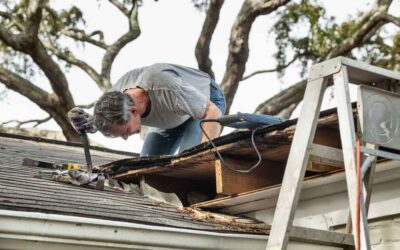
If climbing the roof is necessary, it’s best left to trained professionals. Roof surfaces can be slick, steep, and dangerous after a storm.
Differences Between Hail Damage and Other Roof Issues
Not every roof blemish comes from hail. It’s important to distinguish between hail and other causes:
- Normal Wear – Granule loss over time appears more uniform, not in random circular spots.
- Blistering – Heat blisters look like raised bubbles, not impact craters.
- Algae or Moss – Dark streaks are biological, not caused by impacts.
- Tree Debris – Fallen branches often cause long scratches, not round dents.
Learning the difference ensures you don’t misinterpret natural aging as storm damage.
Roof Age and Its Role in Hail Damage
A brand-new roof can resist smaller hailstones better than one that’s 15–20 years old. Aging shingles lose flexibility and are more likely to crack on impact. Older roofs may also have thinner granule layers, making hail marks more visible. This is why two homes in the same neighborhood can experience very different outcomes after the same storm.
Geographic Areas Most Prone to Hail Damage
Some regions experience hailstorms more frequently than others. Areas known as “Hail Alley” in the U.S. include parts of Colorado, Nebraska, Wyoming, Texas, and Oklahoma. Homes in these regions face repeated exposure, making regular roof checks especially important.
The Long-Term Effects of Untreated Hail Damage
Failing to address hail damage can lead to:
- Leaks and Water Stains – Moisture infiltrates through weakened areas.
- Mold and Mildew Growth – Persistent leaks create unhealthy living conditions.
- Energy Loss – Damaged roofing reduces insulation effectiveness.
- Structural Damage – Over time, wood rot and weakened rafters compromise safety.
- Shortened Roof Life – What should have been a 25–30 year roof may fail in 10–15 years.
Repair Options for Hail Damage
The right solution depends on severity:
- Minor Damage – Small areas of granule loss may be monitored over time.
- Moderate Damage – Shingle replacements for cracked or missing pieces.
- Severe Damage – Full roof replacement if structural integrity is compromised.
Other components like gutters, flashing, and skylights may also need replacement if damaged.
Preventive Measures Against Hail
While no roof is completely hail-proof, there are steps to minimize risk:
- Impact-Resistant Shingles – Some asphalt shingles are UL-rated for better hail protection.
- Regular Inspections – Checking after major storms prevents overlooked problems.
- Roof Maintenance – Keeping shingles, flashing, and sealants in good condition reduces vulnerability.
- Gutter Protection – Strong gutters prevent overflow and water intrusion after hailstorms.
Myths About Hail Damage
It’s easy to misunderstand hail’s effects. Here are some myths clarified:
- Myth: If there are no leaks, the roof is fine.
Reality: Damage can take months or years to cause leaks. - Myth: Small hail can’t cause damage.
Reality: Even small hail can knock off protective granules that shield shingles from UV damage. - Myth: Metal roofs are immune.
Reality: They may not leak easily, but dents can compromise appearance and coatings.
Seasonal Considerations
- Spring and Summer – Peak hail season in many regions.
- Fall – Good time to check for damage before winter arrives.
- Winter – Snow may hide existing hail damage, making inspections harder.
Conclusion
So, what does hail damage to a roof look like? It can range from subtle bruises and granule loss on asphalt shingles to cracks in wood shakes, dents in metal panels, or punctures in flat membranes. The damage is not always immediately obvious, but over time it can compromise the roof’s ability to protect your home. By learning what to look for, inspecting regularly, and taking action after storms, you can prevent long-term problems and keep your roof strong for years to come.
A roof is your home’s first line of defense. Spotting hail damage quickly gives you the chance to fix small issues before they grow into major headaches. 440-235-3124