(440) 307-2059
What Is A Low Slope Roof?
By S&K Construction and Remodeling LLC
Roofs come in all shapes and sizes—some are steeply pitched while others are nearly flat. One type that often raises questions is the low slope roof. Many homeowners aren’t sure what makes a low slope roof pitch unique, why shingles can’t be used on them, and which roofing materials are best.
At S&K Construction and Remodeling LLC, we’ve built our reputation as a trusted Owens Corning Preferred Contractor serving Youngstown, Cleveland, Lakewood, Medina, Twinsburg, and surrounding Northeast Ohio communities. We believe every homeowner should understand their roof, so let’s break down the essentials of low slope roofing.
What Is Roof Pitch?
Before defining a low slope roof, you need to know what roof pitch means. Roof pitch refers to how steep your roof is, measured by how many inches it rises vertically for every 12 inches it extends horizontally. You’ll learn what it is after a roof inspection from a local roofing contractor, plus they have the right tools to do it correctly.
For example:
- A 4/12 pitch = roof rises 4 inches for every 12 inches out.
- A 2/12 pitch = roof rises only 2 inches for every 12 inches out.
The lower the number, the flatter the roof.
What Is Considered a Low Slope Roof?
A roof is considered low slope when its pitch is less than 2/12. This means it doesn’t have enough angle for water to drain quickly into your gutters. Because of that, special roofing systems are required to prevent leaks and damage. Per shingle manufacturers’ installation instructions, a low pitched (or flat) roof is not steep enough for shingles to be installed.
Why Can’t You Install Shingles on a Low Slope Roof?
Shingles are designed for steep slopes where water runs off quickly. On a low slope roof, water tends to pond or sit, which can seep under shingles, cause leaks, and drastically shorten the roof’s lifespan.
This is why shingle manufacturers prohibit installing shingles on slopes below 2/12. Not only would your roof fail prematurely, but your warranty would also be voided. At S&K Construction, we always follow manufacturer guidelines and building codes to ensure your roof is built to last.
Sitting water not only creates a leak if nail pops or other problems are in the area but also shortens asphalt shingles’ lifespan. A reputable roofer knows not to install shingles on a roof with a 2:12 pitch or less, but you’ll find companies that do to bring down costs.
This is strictly against the installation instructions, which means the manufacturer won’t warranty the area. The low slope section also won’t be up to code per code R905.2.2 of the 2018 International Residential Code.
Best Roofing Materials for Low Slope Roofs
1. Membrane Roofing
Membrane systems are the most common choice for low slope roofs. They come in large, waterproof sheets that protect against ponding water. Options include:
- EPDM (Rubber Membrane): Extremely durable, lasting up to 30 years. Available in black or white, with black being more heat-absorbing.
- PVC (Vinyl Membrane): White, energy-efficient, and reflects heat—ideal over living spaces. Lasts about 25 years.
- TPO (Thermoplastic Membrane): Similar to PVC but slightly less flexible. Still durable, with a 25-year life expectancy.
2. Metal Roofing
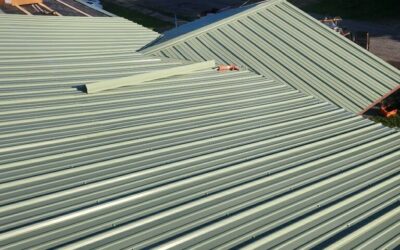
Metal is another great option for low slope roofs, especially for its longevity and curb appeal. Two main styles are available: Both Metal Roofing Systems Below.
- Standing Seam Metal Roof: Sleek, durable, and designed to expand/contract naturally. Can last 30–50 years.
- Exposed Fastener Metal Roof: More affordable but requires maintenance, as screws can loosen over time. Usually lasts around 30 years.
💡 Note: Metal shouldn’t be installed on a completely flat roof unless it’s built up to allow for proper drainage.
How Much Does a Low Slope Roof Cost?
The cost of replacing a low slope roof depends on the material chosen, roof size, and installation complexity. At S&K Construction, we offer flexible financing options to make your project affordable without cutting corners on quality.
Trust S&K Construction With Your Low Slope Roof
Whether you’re in Youngstown, Cleveland, Medina, Lakewood, Twinsburg, or anywhere in Northeast Ohio, S&K Construction and Remodeling LLC is here to help. Our team is highly rated on Google, fully licensed, and committed to providing trustworthy roofing solutions backed by manufacturer warranties.
👉 If your home has a low slope roof, schedule a free inspection and estimate today with our expert team.