(440) 307-2060
1. Introduction: What Is a Valley Roof—and Why It Matters
A valley roof refers to the internal angle—or “valley”—formed where two sloping roof planes meet, creating a natural channel to direct rainwater and snowmelt off the roof. These valleys play a critical structural and water‑management role: without proper valley design, roofs are prone to leaks, ice dams, and debris buildup (GAF).
Valleys are particularly prevalent on hip‑and‑valley roofs, L‑ or T‑shaped layouts, dormer intersections, butterfly roofs, and other complex roof designs (Ideal Home).
2. Why Roof Valleys Are So Critical
- Water shedding: Valleys collect and channel large volumes of runoff—it’s one of the most common leak points if not well-installed (GAF).
- Structural risk: Debris, leaves, and dirt can collect in valleys, trapping moisture and causing deterioration beneath shingles (GAF).
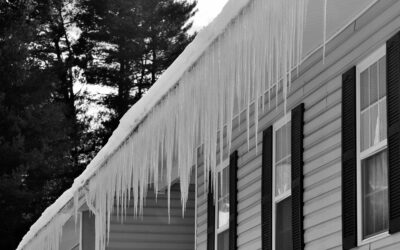
- Ice dams: In cold climates, valleys slow melting snow drainage and increase ice-dam risk at eaves unless mitigated with proper insulation and ventilation (Wikipedia).
3. Types of Roof Valleys
There are three primary valley styles—each with pros, cons, and ideal use cases.
3.1 Open Valley (Metal‑Flashed Valley)
- Involves exposed metal flashing (typically galvanized steel, aluminum, or copper) running the length of the valley.
- Built over ice-and-water shield underlayment.
- Offers superior drainage, open view for inspection, and easier debris removal (GAF).
- Ideal for heavy rainfall or snow climates. Metal durability reduces clog risk and leak susceptibility (North Star Roofing).
- Popular in tile, slate, and laminated-shingle installations (mlroof.com).
3.2 Closed‑Cut Valley
- One roof plane’s shingles overlap and extend across the valley; shingles on the opposite plane are cut neatly about 2″ from center.
- Clean, uniform look without exposed metal.
- Requires precise nailing (no nails within ~6″ of center) and proper underlayment (36″ polymer-modified sheet or ice/water shield) (Professional Roofing, EcoRoof Systems).
- A cost-effective and visually appealing option—commonly used with architectural asphalt shingles (Rescue My Roof, mlroof.com, Rhoden Roofing LLC).
3.3 Woven Valley
- Shingles from both roof planes are alternately overlapped in a woven pattern, with no metal flashing showing.
- Works well with three‑tab shingles on roof pitches above 4:12.
- Provides layered protection, but installation is slow and difficult to repair. Not recommended with thick architectural shingles (can void warranties) (Opple House, Rescue My Roof, mlroof.com).
- Effective in moderate climates, less so where heavy rain or snow is common (EcoRoof Systems, mlroof.com).
4. Materials & Flashing Options
Metals Used in Open Valleys
| Metal Type | Pros | Cons |
|---|---|---|
| Aluminum | Lightweight, corrosion‑resistant, affordable | Less durable than copper |
| Steel (galvanized) | Strong, cost-effective | Prone to rust if coating fails |
| Copper | Long-lasting (50+ years), premium finish | High cost |
- Copper lasts decades in high rainfall regions; aluminum is ideal in coastal or humid zones; steel is more affordable but requires protective coating (North Star Roofing, Wikipedia).
- Typical flashing width is 18–24″ to accommodate taper and water flow (Opple House).
Alternative Flashing Materials
- Concrete valley flashing: Used under tile or slate roofs—a rigid mixture of cement and gravel that hardens in place (North Star Roofing).
- Rubber or modified bitumen membrane: Flexible, heat/fire-resistant options for dead valleys or non-typical shapes, easily molded, and can be color-matched to shingles (North Star Roofing).
5. Installation Guidelines: Best Practices
Underlayment
- Always use high-quality underlayment, preferably a self‑adhering ice-and-water shield or polymer-modified bitumen, minimum 36″ width centered in the valley (Professional Roofing).
- Underlayment from roof planes should overlap valley liner by 6″ or more; fasteners must stay ≥ 8″ from center line to avoid leaks (Professional Roofing).
Valley Type Installation
- Open valley: Lining is installed over underlayment, then metal flashing, followed by shingles trimmed neatly at edges (GAF).
- Closed-cut valley: Install shingles from the less exposed slope first, then cut shingles of the second side along a chalk line 2″ from valley center. Nail placement must avoid the centerline area (QE Roofing |).
- Woven valley: Must interlace shingles from both slopes precisely. Only suitable for three‑tab or flexible shingles; too thick shingles may cause bumps or leaks and void warranties (Rescue My Roof).
Pitch Considerations
- Valleys with slopes less than 4:12 are discouraged for woven or California-style methods due to higher risk of accumulation or leaks (Professional Roofing).
Taper
- Valley taper—wider at bottom than at top—ensures efficient runoff. A standard taper: ~1/8″ per 12″ of valley length (e.g., a 16′ valley should widen ~2″) (QE Roofing |).
6. Maintenance & Lifespan of Valleys
Regular Inspection & Cleaning
- Valleys collect leaves, dirt, and debris; these block water flow and accelerate wear beneath valleys. Regularly clear them, especially in autumn or after storms (GAF, Reddit).
- For tile roofs, occasional removal of tiles and sweeping out debris may be required; spraying water alone often ineffective (Reddit).
Debris Prevention & Treatment
- While some users ask about using silicone or wax to sling leaves out, these coatings degrade quickly under sun/rain—better to trim overhanging branches and clear debris manually (Reddit).
Checking Flashing and Seals
- On open valleys, inspect metal flashing for rust, gaps, or seal breakdown.
- Closed valleys require monitoring for granule loss or shingle wear at valley lines, which can expose vulnerable areas (mlroof.com, Rhoden Roofing LLC).
Repair vs Replacement
- Minor leaks or isolated damage often fixable with patching or resealing.
- Recurring leaks may indicate poor original installation: valley type mismatch, blocked fastener placement, or inadequate underlayment. If inspecting reveals multiple shingles damaged or improper weaving, replacement of the valley section—or full roof section—may be necessary.
7. How Long Should a Valley Last?
Valley longevity correlates with roof material lifespan and installation quality:
- Open metal valley flashing: Should last the lifetime of a well-installed roof (20–30 years for asphalt, 50+ for tile/metal roofs).
- Closed-cut valleys with architectural shingles: Lifespan matches shingles (≈25–30 years), though wear may appear faster at valley lines.
- Woven valleys: If installed properly with compatible shingles, can last 20–25 years—but often more prone to early granular wear or leaks, especially under thicker shingles or poor weather conditions (Professional Roofing, The Spruce, mlroof.com).
Proper underlayment, ventilation, and roof slope contribute significantly to valley longevity—as valleys concentrate water flow, any weakness accelerates failure.
8. Choosing the Right Valley Type: Climate, Budget & Aesthetics
Climate & Weather
- Heavy rain or snow: Open valleys outperform with metal’s water-shedding ability and debris resistance (North Star Roofing, North Star Roofing, mlroof.com).
- Dry, mild climates: Closed-cut valleys offer a clean look and sufficient protection, minus aesthetic of exposed metal (Rescue My Roof).
Roofing Material
- Asphalt shingles: Compatible with closed-cut and woven valleys (though woven only with three-tab). Thick laminated shingles better paired with open or closed-cut styles.
- Tile/slate: Typically require open metal or concrete valleys due to weight and water flow characteristics (EcoRoof Systems).
Aesthetics & Budget
- Closed valleys deliver a seamless roofline and lower material costs but require more labor precision.
- Woven valleys look artisanal but are slow and expensive to install or repair.
- Open valleys may be more visible but deliver practical durability and simpler maintenance (Rescue My Roof).
9. SEO Keyword Topics & Subheads
To boost SEO ranking, integrate relevant subtopics such as:
- “valley roof types open vs closed valley”
- “how to install roof valley flashing”
- “roof valley maintenance tips”
- “woven valley shingle problems”
- “best valley flashing materials”
- “valley roof lifespan and repair signs”
- “troubleshooting valley leaks”
- “roof valley cleaning and debris removal”
10. Frequently Asked Questions (FAQs)
Q: Can I mix valley types on the same roof?
A: It’s possible—but not recommended without expert design. Mixing woven and open valleys can alter water flow dynamics, trap moisture, or void shingle warranties. Stick to consistent type where possible.
Q: How often should roof valleys be inspected?
A: Every 6 months and after storms. Valleys handle high water flow and debris; early detection prevents costly damage.
Q: Can I convert a closed or woven valley to open?
A: Yes. Converting to an open valley improves drainage and lifespan, but requires proper flashing, underlayment, and shingle trimming.
Q: What signs indicate valley failure?
A: Common warning signs include ceiling stains, granule loss along valley lines, persistent debris buildup, rust or cracked flashing, and visible nail heads close to the valley center.
Q: Do woven valleys void shingle warranties?
A: Many manufacturers prohibit woven valleys when using thick architectural shingles—check warranty guidelines carefully. Improper weaving may void your coverage (North Star Roofing, GAF, Reddit).
11. Summary: Key Takeaways
- A roof valley is a crucial component guiding water flow; poorly built valleys lead to leaks and roof damage.
- Open, closed‑cut, and woven valley styles each offer unique benefits and trade-offs in terms of drainage, aesthetics, cost, and maintenance.
- Open valleys provide superior performance in wet/snowy climates; closed‑cut valleys balance looks and function; woven valleys offer artisanal appeal but require strict installation standards.
- Proper underlayment, flashing, and installation techniques are essential for valley integrity and lifespan.
- Regular cleaning and inspection are critical to prevent debris, pooling, and premature failure.
- A well-designed valley can last as long as the roof itself—but poor workmanship or mismatched valley type significantly shortens performance.
12. Final Thoughts
Valleys may seem like minor roof details—but they handle the heaviest flows of water and often dictate roof reliability. Choosing the right style, material, and installer—and maintaining it properly—makes all the difference in extending roof life and avoiding leaks. Whether you’re planning a hip-and-valley roof, managing a dormer intersection, or troubleshooting a butterfly roof’s drain channel, valley design should be prioritized.
If you’d like guidance on selecting valley type by climate or roof plan, or instructions for DIY repair or replacement, feel free to ask!