(440) 307-2060
What is the Most Common Type of Roofing Material?
Choosing the right roofing material is one of the most important decisions homeowners face when installing or replacing a roof. While there are many roofing materials available, one type stands out as the most common choice due to its affordability, durability, and ease of installation.
In this article, we’ll cover:
- The most common type of roofing material
- Why it is the preferred choice for homeowners
- Alternatives to consider
- How to choose the best roofing material for your home
What is the Most Common Type of Roofing Material?
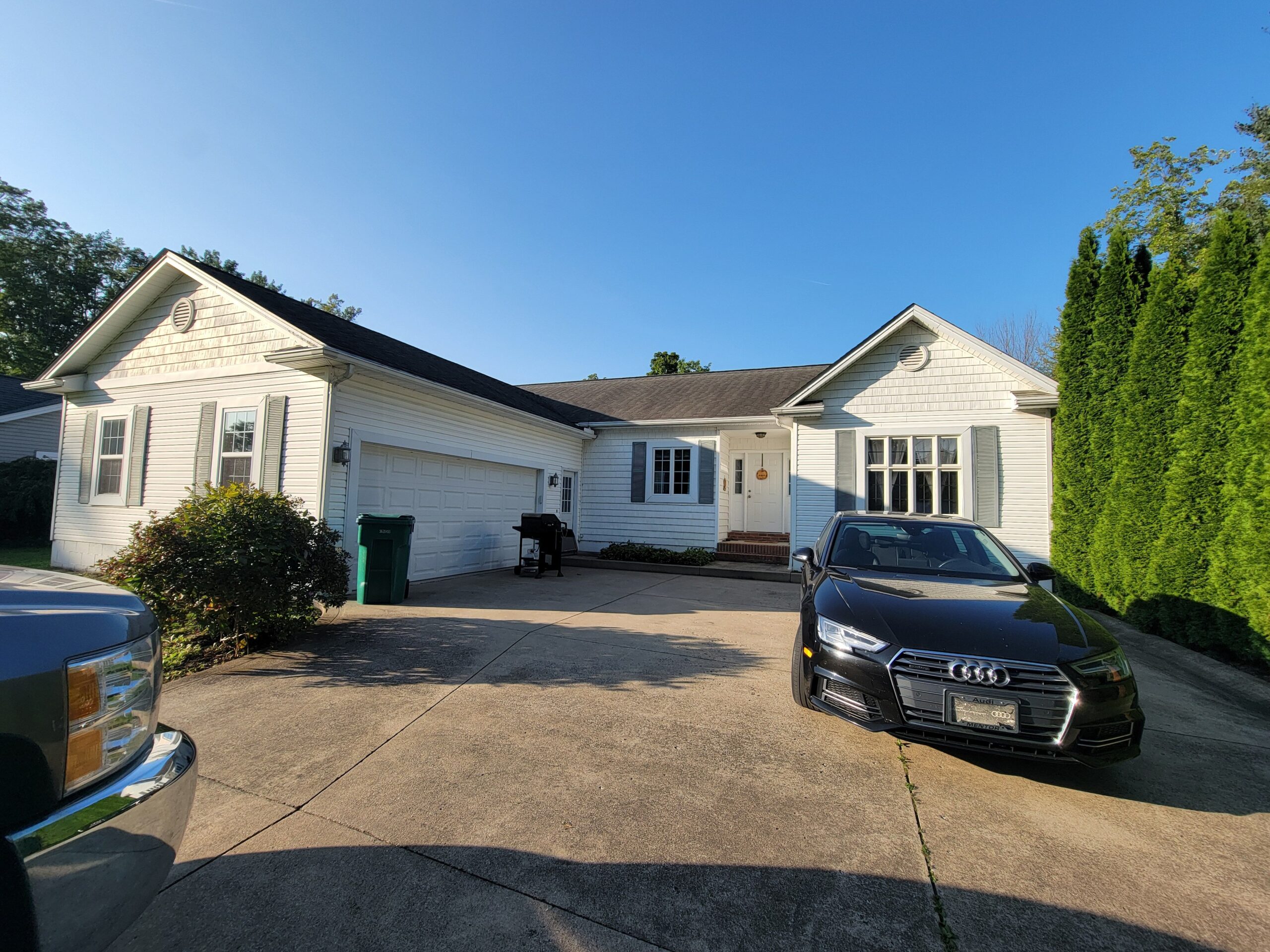
The most widely used roofing material in the United States is asphalt shingles. Asphalt shingles dominate the residential roofing market because they offer a balance of affordability, performance, and aesthetics.
Why Are Asphalt Shingles the Most Popular Choice?
Several factors make asphalt shingles the go-to roofing material for most homeowners:
1. Cost-Effectiveness
Asphalt shingles are one of the most budget-friendly roofing options available. Compared to materials like metal, tile, or slate, asphalt shingles offer great value for their cost.
2. Ease of Installation
Roofing contractors can install asphalt shingles relatively quickly, which reduces labor costs and minimizes disruption to homeowners.
3. Variety of Styles and Colors
Asphalt shingles come in a wide range of colors, textures, and styles, allowing homeowners to achieve the look they want for their home.
4. Durability and Weather Resistance
High-quality asphalt shingles can last 20 to 30 years with proper maintenance. Many are designed to withstand wind, rain, and even hail.
5. Availability
Because asphalt shingles are mass-produced and widely available, they can be quickly sourced and replaced in the event of damage.
Alternatives to Asphalt Shingles
While asphalt shingles are the most common, other roofing materials offer unique benefits. Some alternatives include:
1. Metal Roofing
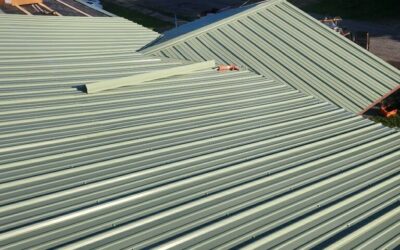
Metal roofs last 40 to 70 years and offer excellent durability and energy efficiency. However, they are more expensive than asphalt shingles.
2. Tile Roofing
Clay or concrete tiles are highly durable and offer a distinctive look, but they are heavy and require a strong roof structure.
3. Wood Shingles and Shakes
Wood roofs provide a natural, rustic appearance but require more maintenance and are susceptible to fire unless treated.
4. Slate Roofing
Slate is one of the most durable roofing materials, lasting over 100 years, but it is costly and requires professional installation.
How to Choose the Best Roofing Material for Your Home
When deciding on a roofing material, consider these factors:
- Budget: Asphalt shingles are cost-effective, while premium materials like metal or slate have higher upfront costs.
- Climate: Some materials, like metal, perform better in extreme weather conditions.
- Aesthetic Preference: Choose a material that complements your home’s architectural style.
- Longevity: If you plan to stay in your home for decades, a longer-lasting material may be a better investment.
Trust S&K Construction and Remodeling LLC for Your Roofing Needs
At S&K Construction and Remodeling LLC, we specialize in installing high-quality asphalt shingle roofs and other roofing materials. As an Owens Corning Preferred Contractor, we ensure expert installation and premium materials to protect your home.
If you’re considering a new roof in Northeast Ohio, contact us today for a consultation and free estimate!