What Qualifies For Roof Replacement

by | May 19, 2025 | Blog

Determining whether your roof qualifies for replacement involves assessing various factors, including visible damage, the roof’s age, and potential insurance coverage. Understanding these elements can help homeowners make informed decisions about roof maintenance and replacement.


1. Visible Signs Indicating Roof Replacement

Several physical indicators suggest that a roof may need replacement:

  • Shingle Damage: Shingles that are missing, cupped, curled, or cracked can compromise the roof’s integrity.
  • Granule Loss: Finding granules in gutters or downspouts may indicate that shingles are deteriorating.
  • Water Leaks: Evidence of water intrusion, such as stains on ceilings or walls, suggests the roof may no longer provide adequate protection.
  • Sagging Roof: A sagging roofline can be a sign of structural issues requiring immediate attention.
  • Moss or Algae Growth: While not always a structural concern, excessive moss or algae can retain moisture and lead to damage over time.

2. Age and Lifespan of Roofing Materials

The expected lifespan of a roof varies based on the materials used:

  • Asphalt Shingles: Typically last 20–30 years.(
  • Wood Shingles: Approximately 20–50 years with proper maintenance.
  • Metal Roofing: Can last 40–70 years.
  • Tile or Concrete Roofs: Often exceed 50 years.

Factors such as climate, installation quality, and maintenance practices also influence a roof’s longevity.


3. Insurance Coverage for Roof Replacement

Homeowners insurance may cover roof replacement if the damage results from specific perils:

  • Covered Perils: Damage from windstorms, hail, fire, or falling objects is typically covered.
  • Policy Types:
    • Actual Cash Value (ACV): Pays the depreciated value of the roof.
    • Replacement Cost Value (RCV): Covers the cost to replace the roof with materials of similar kind and quality.

It’s important to review your policy details and consult with your insurance provider to understand your coverage.


4. Steps to Determine Roof Replacement Eligibility

  1. Conduct a Visual Inspection: Look for signs of damage, such as missing shingles or sagging areas.
  2. Check the Roof’s Age: Determine the installation date to assess if it’s nearing the end of its expected lifespan.
  3. Consult a Professional: Hire a licensed roofing contractor to perform a thorough inspection and provide recommendations.
  4. Review Insurance Policy: Understand what damages are covered and the type of coverage you have.
  5. Document Damage: Take photographs of any visible issues to support insurance claims.

5. Conclusion

Recognizing the signs that indicate the need for roof replacement and understanding your insurance coverage are crucial steps in maintaining your home’s integrity. Regular inspections and proactive maintenance can extend your roof’s lifespan and prevent costly repairs.

How do ice dams cause hidden roof damage?

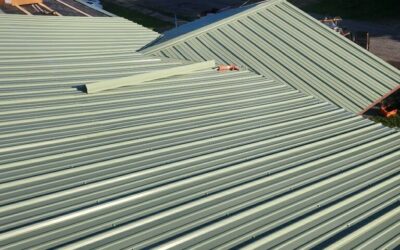
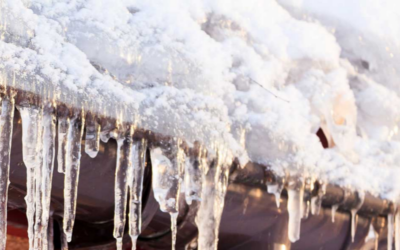
Ice dams cause hidden roof damage by trapping water behind ice along the roof edge. This water can soak into decking, insulation, and attic space during winter, but the damage often becomes visible after the thaw when moisture begins to dry out.

Why do ice dam leaks show up in spring instead of winter?

Ice dam leaks show up in spring because moisture often stays frozen during winter. Once temperatures rise, trapped water moves through the roof system and can cause stains, mold, or damp insulation.

How do I know if my roof has ice dam damage after winter?

You may have ice dam damage if you see ceiling stains, musty smells, curling shingles, or damp insulation after snow melts. Many Cleveland homeowners only notice problems once the attic warms up.

Can attic ventilation prevent ice dam damage?

Attic ventilation can help prevent ice dam damage by keeping the roof temperature even. Poor ventilation allows heat to melt snow unevenly, which increases the chance of ice forming along the edge.

Does ice dam damage mean I need a new roof?

Ice dam damage does not always mean full replacement is needed. Some roofs only need repairs, but severe moisture damage may require decking or ventilation work.

Is ice dam damage common in Cleveland, OH?

Ice dam damage is common in Cleveland because winter temperatures often freeze and thaw. This pattern allows ice to form repeatedly and increases the chance of hidden roof damage.

Should I inspect my roof after winter?

You should inspect your roof after winter because ice dam damage may not be visible from the ground. A spring inspection can find hidden moisture and ventilation problems.

Can ice dams cause mold in the attic?

Ice dams can cause mold because trapped moisture stays in insulation and wood. When the attic warms up after winter, mold can begin to grow.

Check for Ice Dam Roof Damage Before Small Problems Get Worse

Ice dam roof damage is one of the most common causes of hidden roof problems in Cleveland, OH, and many homeowners do not notice the damage until after winter. Snow, ice, and repeated freeze-thaw cycles allow moisture to build up slowly under shingles and inside the attic. Once the snow melts and the roof warms up, the damage becomes easier to see.

Because hidden roof damage after winter can lead to leaks, mold, and structural problems, a spring inspection is one of the best ways to make sure your roof is still in good condition.

S&K Construction And Remodeling inspects roofs across Northeast Ohio every spring to check for ice dam damage, ventilation problems, and moisture that started during winter but was not visible at the time.

If you think your roof may have been affected by ice dams this winter, schedule your free inspection today.

Our Recent Blog & Articles