(440) 307-2060
What To Expect During a Commercial Roof Installation
No interlinks, no special anchors — just a clean, professional article ready for your commercial roof replacement in Ohio page.
What To Expect During a Commercial Roof Installation
A commercial roof installation is one of the biggest investments a business owner or property manager will ever make. Whether you’re replacing an aging flat roof, upgrading to a more durable roofing system, or building a new structure from the ground up, knowing what to expect during the installation process helps prevent surprises, delays, and disruptions to your operations. A well-planned commercial roof install protects your building, your employees, your inventory, and your bottom line for decades.
Below is a clear breakdown of what happens at each stage of a commercial roof installation, how long it typically takes, and what business owners should do to prepare.
1. The Initial Roof Assessment and Inspection
Every successful commercial roofing project begins with a thorough inspection. Before any materials arrive or crews step on-site, a roofing contractor must understand exactly what they’re working with.
During the inspection, the contractor will evaluate:
- The condition of the existing roofing system
- Signs of leaks, ponding water, and membrane failures
- The age and design of the current roof
- Structural integrity of the roof deck
- Drainage systems
- HVAC placement and rooftop equipment
- Insulation levels and moisture presence
This inspection allows your contractor to determine whether the roof needs a full tear-off or if a recover installation is possible. They will also identify any underlying issues that must be addressed before installation begins. At the end of this step, you should receive a detailed written proposal.
2. Choosing the Right Commercial Roofing System
After the inspection, you’ll select the roofing system that matches your building’s needs, climate, and budget. Commercial roofs come in several types, and your contractor will help you determine which one works best for your property.
Common Commercial Roofing Options Include:
- TPO Roofing: A single-ply membrane known for durability, energy efficiency, and UV resistance.
- EPDM Roofing: A rubber membrane that performs well in harsh weather and extreme temperatures.
- PVC Roofing: Strong, chemical resistant, and ideal for restaurants and industrial buildings.
- Modified Bitumen: A layered system that offers excellent waterproofing and impact resistance.
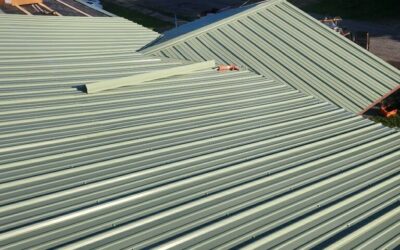
- Metal Roofing: Long lifespan, highly durable, and often used on commercial and industrial properties.
Your contractor will outline the pros and cons of each option, explain warranty details, and help you choose the system with the best long-term value.
3. Preparing the Job Site
Before installation, your roofing contractor will prepare the site and communicate the project plan so your business can operate safely and with minimal disruption.
Typical site preparation includes:
- Setting up safety equipment and fall-protection systems
- Coordinating material deliveries
- Protecting landscaping and exterior surfaces
- Establishing dumpster locations for debris removal
- Creating safe walkways and access points
- Reviewing noise expectations
- Communicating work hours and timelines
A well-organized contractor makes sure your staff and customers remain safe and informed throughout the entire project.
4. Removing the Old Roofing System (Tear-Off Phase)
If your roof requires a complete tear-off, this is one of the most labor-intensive parts of the project. Tear-offs involve stripping away:
- Old membrane or shingles
- Insulation
- Damaged roof deck materials
- Flashing and outdated components
This process ensures the new roofing system is installed on a clean, strong, and stable surface. Though noisy, a proper tear-off is essential for long-term performance.
During this stage, the crew will also inspect the underlying roof deck. If the deck has soft spots, moisture intrusion, or structural issues, repairs will be made before installation continues commercial roofing process.
5. Installing New Insulation
Insulation plays a major role in the efficiency, lifespan, and performance of a commercial roof. Proper insulation helps regulate building temperatures, lowers energy costs, and prevents moisture problems.
Commercial roof insulation options typically include:
- Polyiso insulation boards
- Tapered insulation systems (for improved drainage)
- Additional insulation layers for higher R-values
Tapered insulation is especially valuable because it helps direct water toward drains or scuppers, eliminating ponding water problems that commonly plague flat roofs.
6. Installing the Roofing Membrane or Roofing System
Once the roof deck and insulation are prepared, the new roofing membrane is installed. The installation method varies based on the type of roofing system chosen, but the general process includes:
Methods of Application:
- Fully adhered: The membrane is glued to the insulation.
- Mechanically fastened: The membrane is secured with plates and fasteners.
- Ballasted: Weighted with gravel or stone for stability.
Each method has specific benefits, and your contractor will choose the best approach based on wind load requirements, building design, and manufacturer specifications.
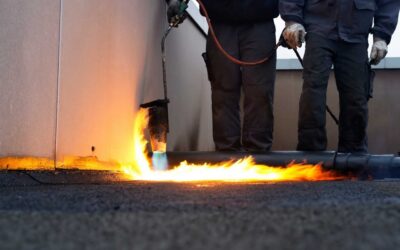
The membrane is installed in large sheets and rolled across the roof. Workers heat-weld seams, seal edges, and reinforce penetrations to create a watertight barrier.
7. Flashing and Detailing Work
Even the best roofing systems rely on proper detailing to prevent leaks. Skilled commercial roofers spend a significant amount of time sealing penetrations and reinforcement areas such as:
- HVAC units
- Vent pipes
- Skylights
- Roof edges
- Parapet walls
- Drains and scuppers
Improper flashing is one of the number one causes of commercial roof leaks — proper installation ensures long-term protection.
8. Installing or Improving the Drainage System
Commercial flat roofs depend on efficient drainage. During installation, your contractor will:
- Inspect existing drains for damage
- Install new drains if needed
- Verify proper roof slope and water flow
- Install or adjust scuppers and gutters
- Seal and waterproof around drainage areas
A commercial roof is only as good as its drainage system. Poor drainage leads to ponding water, membrane damage, and early roof failure.
9. Final Inspection and Quality Check
Once the installation is complete, the roofing contractor conducts a full inspection to ensure every element meets manufacturer and industry standards.
This inspection may include:
- Checking seams and welds
- Testing drainage flow
- Reviewing insulation installation
- Ensuring flashing is watertight
- Confirming all components meet warranty requirements
Some manufacturers also perform their own inspection before issuing a full system warranty.
10. Cleanup and Removal of Debris
A professional commercial roofing contractor leaves the property clean and safe. This includes:
- Removing dumpsters
- Cleaning work areas
- Hauling away old roofing material
- Ensuring no nails, screws, or debris remain
- Restoring property access to normal
A well-managed cleanup ensures minimal disruption to business operations.
11. Warranty Documentation and Maintenance Planning
After installation, you will receive warranty information for both materials and workmanship. Your contractor will also recommend a maintenance plan, which typically includes:
- Scheduled inspections
- Routine cleaning
- Checking seams, flashing, and drainage
- Repairing minor issues before they become major problems
Regular maintenance can extend the lifespan of your commercial roof by years and keep your warranty valid.
Final Thoughts: A Smooth, Professional Commercial Roof Installation
A commercial roof installation is a major project, but with a reliable roofing contractor and proper planning, the process can be smooth, efficient, and minimally disruptive. Understanding each step helps building owners prepare for what’s ahead, avoid unexpected costs, and protect their property for decades. commercial roof replacement.