(440) 307-2060
Whats the Best Roofing Material? A Complete Guide for Homeowners
When it’s time to replace your roof or choose materials for a new build, selecting the right roofing material can feel overwhelming. With options ranging from affordable asphalt shingles to premium slate and metal, how do you know which material is truly best?
The truth is:whats the best roofing material depends on your specific needs—like budget, climate, aesthetic preferences, and how long you plan to stay in your home.
This guide explores all major roofing materials, comparing them across key factors so you can make a confident, informed decision. Whether you live in a storm-prone region, want an eco-conscious upgrade, or simply need a roof that lasts, this post has you covered.
Asphalt Shingles: The Most Popular Roofing Material
Overview
Asphalt shingles are by far the most commonly used roofing material in North America. They’re affordable, easy to install, and available in a wide range of colors and styles.
Pros
- Cost-effective: One of the least expensive options per square foot
- Versatile styles: Available in 3-tab and architectural (dimensional) designs
- Decent durability: Lasts 15–30 years, depending on quality
- Easy replacement and repair
- Fire-resistant (class A rating when properly installed)
Cons
- Shorter lifespan compared to premium materials
- Not ideal for extreme weather or rapid temperature swings
- Can be less eco-friendly, depending on brand and recycling options
Best for: Budget-conscious homeowners, suburban homes, temperate climates
Metal Roofing: Durable and Modern
Overview
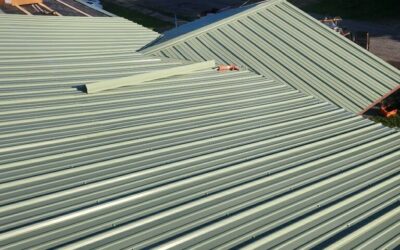
Metal roofs, including steel, aluminum, zinc, and copper, are known for their durability and sleek appearance. They’ve become increasingly popular for both residential and commercial buildings.
Pros
- Extremely durable: Lifespan of 40–70+ years
- Excellent for shedding snow and rain
- Fire-resistant and wind-resistant
- Energy-efficient: Reflects solar heat, reducing cooling costs
- Low maintenance
- Often made from recycled materials and recyclable
Cons
- Higher upfront cost
- Can be noisy during rain or hail without proper insulation
- Color fading over time (depending on finish)
- Requires specialized installation
Best for: Homes in snowy or hot climates, those seeking long-term performance
Wood Shingles and Shakes: Natural Beauty
Overview
Wood shingles and shakes offer a rustic, natural look that blends well with forested or coastal landscapes. Shingles are machine-cut for uniformity, while shakes are hand-split for a more rugged appearance.
Pros
- Aesthetic appeal: Natural, classic look
- Good insulation value
- Durable when properly maintained (20–40 years)
- Biodegradable material
Cons
- Fire risk unless treated
- High maintenance (susceptible to rot, mold, and insect damage)
- Costly in some areas
- Not ideal for humid or wildfire-prone climates
Best for: Traditional or historic homes, dry or moderate climates
Clay and Concrete Tiles: Long-Lasting and Elegant
Overview
Tile roofs are common in the Southwest and Mediterranean-style homes. Clay and concrete tiles are durable and fireproof, offering excellent thermal resistance.
Pros
- Extremely durable (50–100 years for clay; 30–50 for concrete)
- Fire-resistant
- Excellent in hot climates
- Low maintenance
- Beautiful, distinctive appearance
Cons
- Very heavy—may require additional structural support
- Expensive installation and material cost
- Fragile under impact (e.g., hail)
- Not ideal for steep or complex rooflines
Best for: Hot, dry climates; Mediterranean, Spanish, or Southwestern architectural styles
Slate Roofing: Natural and Nearly Indestructible
Overview
Slate roofs are made of natural stone and are among the longest-lasting roofing materials available.
Pros
- Lifespan of 75–150+ years
- Naturally fireproof and waterproof
- Unmatched elegance and texture
- Low maintenance
- Sustainable: Mined stone with minimal processing
Cons
- Very expensive (materials + specialized installation)
- Extremely heavy—requires structural reinforcement
- Brittle if walked on
- Limited availability in some regions
Best for: Luxury homes, historic buildings, homeowners planning to stay long-term
Synthetic Roofing Materials: Innovative and Versatile
Overview
Synthetic roofing includes rubber, plastic, composite, and polymer products designed to mimic traditional materials like slate, wood, or tile.
Pros
- Lightweight and easy to install
- Durable and flexible (resists cracking, fading, warping)
- Often more affordable than natural counterparts
- Some are made from recycled materials
- Highly customizable appearance
Cons
- Varied quality depending on brand
- Newer technology—less long-term data
- Not all are recyclable or eco-friendly
Best for: Homeowners who want aesthetics of premium materials at a lower price and lower weight
Comparison Chart: Roofing Material at a Glance
| Material | Lifespan | Cost Range | Maintenance | Fire Resistance | Eco-Friendly |
|---|---|---|---|---|---|
| Asphalt Shingles | 15–30 years | Low | Low–Moderate | Good | Moderate |
| Metal | 40–70+ years | Moderate–High | Low | Excellent | High |
| Wood Shakes | 20–40 years | Moderate–High | High | Low–Moderate | Moderate |
| Clay/Concrete | 30–100 years | High | Low | Excellent | High |
| Slate | 75–150+ years | Very High | Low | Excellent | High |
| Synthetic | 30–50 years | Moderate | Low | Good | Varies |
Regional Considerations: Matching Roof to Climate
Choosing the right material means factoring in your region’s climate challenges. Here’s how they stack up:
Cold/Snowy Climates (e.g., Northeast, Rockies)
- Best: Metal (great for snow-shedding), Slate (extreme durability)
- Avoid: Clay tile (fragile under freeze–thaw), Wood (susceptible to moisture damage)
Hot/Dry Climates (e.g., Southwest, Southern California)
- Best: Clay/Concrete tiles (thermal resistance), Metal (reflective), Slate
- Avoid: Asphalt shingles (can warp in extreme heat)
Humid or Rainy Climates (e.g., Pacific Northwest, Southeast)
- Best: Metal (mold-resistant), Synthetic
- Avoid: Wood (mold/mildew issues), low-quality asphalt
Storm-Prone Areas (e.g., Gulf Coast, Midwest)
- Best: Impact-rated Metal, Synthetic, Architectural Shingles
- Avoid: Fragile or lightweight materials without impact testing
How to Choose the Right Roofing Material for You
Here’s a step-by-step guide to narrowing down your choices:
- Evaluate Your Climate
Start by understanding your region’s weather challenges. Prioritize materials that hold up against the elements common in your area. - Set Your Budget
Determine how much you can afford, not just upfront but over the life of the roof. A cheaper roof may cost more long-term if it needs frequent repairs. - Consider Aesthetics
Choose a material that complements your home’s style and neighborhood look. For example, slate suits historic homes, while metal fits modern designs. - Think Long-Term
Are you staying in the home for decades? Go for longevity. Planning to sell soon? A mid-range, attractive option like architectural shingles might offer better ROI. - Assess Weight and Structure
Ensure your home’s frame can support the roof’s weight, especially if you’re considering heavy materials like tile or slate. - Get Professional Input
Roofing contractors can inspect your current roof and advise what will work best structurally and visually for your home.
Real-World Examples
- Colorado Mountain Home: Switched from wood shakes to standing seam metal due to wildfire risk and heavy snow. Result? Lower insurance premiums and better snow shedding.
- Historic East Coast Home: Installed slate tiles to match 19th-century design. Though the cost was high, it added resale value and authentic charm.
- Florida Home Near the Coast: Upgraded to synthetic shake with impact resistance after a hurricane caused major roof damage. The new roof combines looks with peace of mind.
Final Thoughts: There’s No One-Size-Fits-All Answer
The “best” roofing material ultimately depends on where you (440)235-3124