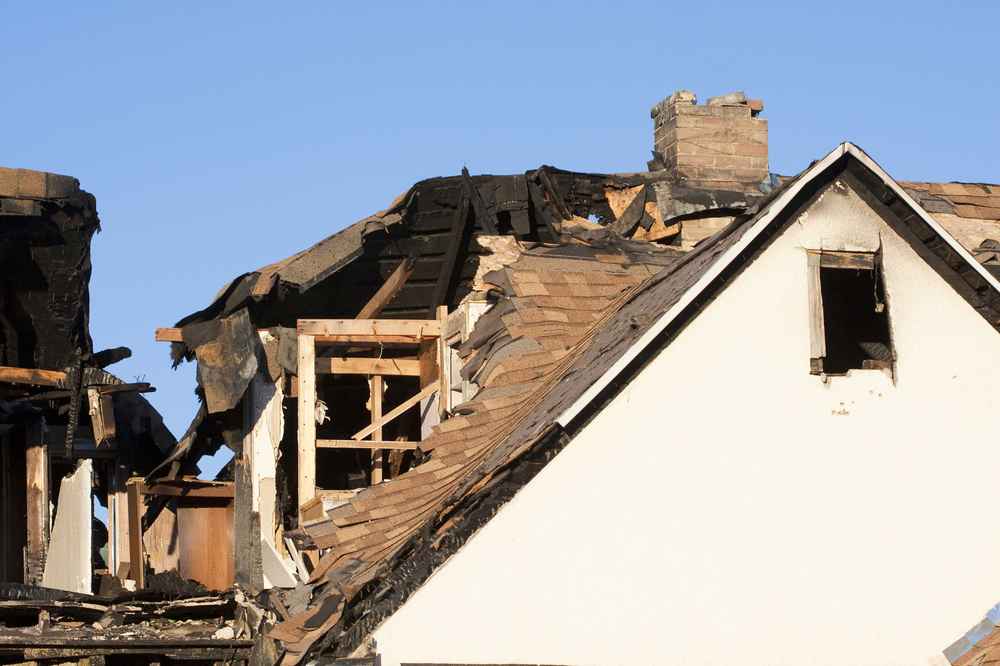
Summer storms in Northeast Ohio often arrive fast. A quiet afternoon can turn into heavy rain, strong winds, hail, and lightning within minutes. For many homeowners, the first sign of trouble is not the storm itself. It is the ceiling stain that appears afterward, the water dripping into the attic overnight, or the shingles suddenly found in the yard the next morning.
That is why storm-related roof damage in Cleveland and surrounding communities often reveals problems that may have been developing quietly for years. A roof that appears fine during dry weather may already have weakened shingles, aging flashing, poor ventilation, hidden moisture intrusion, or deteriorating underlayment beneath the surface.
Summer storms rarely create roofing problems entirely from scratch. More often, they expose weaknesses that have formed gradually through age, weather exposure, and long-term wear. The combination of wind, heat, humidity, and heavy rain simply accelerates issues that may have remained unnoticed during calmer weather.
In this guide, we’ll explain:
- why older roofs struggle during summer storm season
- how heat, wind, and heavy rain stress roofing systems
- which small roofing issues often turn into leaks
- signs your roof may already have storm-related damage
- when a roof inspection makes sense after severe weather
- how homeowners can decide between repairs and replacement
If your home recently experienced strong winds, hail, or heavy rain, S&K Construction And Remodeling can help evaluate the condition of your roof and explain the safest next steps.
Why Summer Storms Reveal Roofing Problems
Summer storms place sudden stress on roofing materials that may already be weakened beneath the surface. Heavy rain, wind, heat, and humidity test every part of the roofing system at once, allowing small vulnerabilities like lifted shingles, flashing gaps, poor ventilation, or worn underlayment to become visible leaks.
Many homeowners assume the storm itself caused all of the damage. In reality, severe weather often reveals problems that have existed for months or even years. A roof may appear stable during mild weather while hidden deterioration slowly develops underneath.
This is especially common throughout Northeast Ohio because roofs experience constant seasonal stress long before summer storm season arrives. Winter snow loads, freeze-thaw cycles, ice buildup, spring moisture, and UV exposure all gradually wear down roofing materials over time.
Most storm-related roofing issues are far easier to manage when they are identified early before moisture spreads deeper into the home.
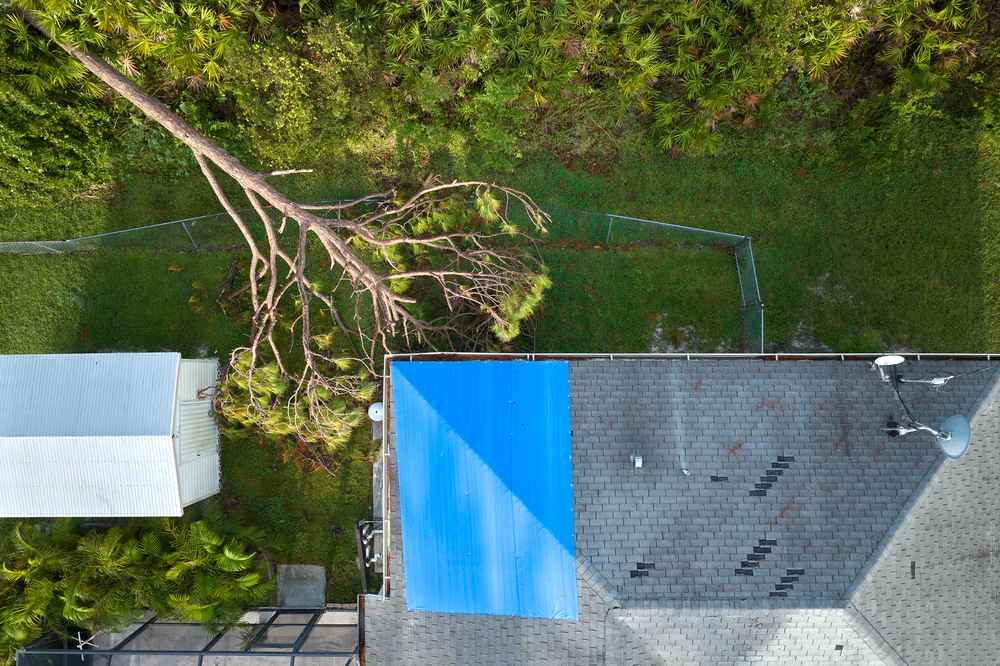
Why Older Roofs Struggle During Summer Storm Season
Older roofing systems are usually more vulnerable during summer storms because the materials have already spent years expanding, contracting, drying out, and absorbing moisture through changing weather conditions.
In Northeast Ohio, many homes already have roofs dealing with years of:
- freeze-thaw cycles
- snow accumulation
- ice damming
- seasonal expansion and contraction
- aging flashing systems
- repeated storm exposure
By the time summer storm season arrives, some roofs are already vulnerable long before homeowners notice visible leaks.
Aging Shingles Become Less Flexible During Temperature Swings
As shingles age, they gradually lose flexibility and protective granules. Older shingles may still look acceptable from the ground while their seal strips weaken underneath.
During summer weather, roofing materials heat up throughout the day and cool rapidly once storms move through. This repeated expansion and contraction slowly stresses the roofing system. Over time, fasteners loosen, flashing separates, and small openings begin forming beneath the shingles.
Wind-driven rain can then move beneath these vulnerable areas during severe weather.
Older Northeast Ohio Homes Often Have Hidden Roofing Weak Points
Many homes throughout Lake County, Ashtabula County, Summit County, and older Cleveland-area neighborhoods have aging roofing systems that may include:
- older flashing materials
- multiple roofing layers
- outdated ventilation designs
- aging underlayment
- long-term moisture exposure
These weaknesses often remain hidden until severe weather finally exposes them through leaks, attic moisture, or visible shingle damage.
Heavy Rain, Wind, and Heat Stress on Roofing Systems
Summer storms place pressure on every part of the roof simultaneously.
Heat weakens aging materials. Wind tests the roof’s attachment points. Heavy rain pushes moisture into vulnerable areas. Hail damages protective surfaces. Together, these conditions create much more roofing stress than mild weather alone.
Wind Often Damages Roofs Before Homeowners Notice It
Strong summer wind gusts create uplift pressure along roof edges, ridgelines, and valleys. If shingles have already weakened from age or previous weather exposure, wind may begin lifting sections of the roof slightly during storms.
In many cases, shingles settle back down afterward without dramatic visible damage. However, the protective seal may already be compromised, allowing moisture intrusion to develop during future storms.
This is one reason wind damage sometimes goes unnoticed until leaks begin developing weeks later.
Heavy Rain Finds Small Roofing Weaknesses Quickly
Heavy rain combined with strong wind is often more damaging than rainfall alone because water is forced beneath roofing materials.
This type of weather exposure commonly affects:
- flashing systems
- roof penetrations
- valleys
- siding intersections
- attic ventilation openings
Even small vulnerable areas may allow moisture to move beneath shingles and into insulation surprisingly quickly during prolonged storms.
Heat and UV Exposure Gradually Shorten Roof Lifespan
Heat also contributes to long-term roofing deterioration.
Long summer days expose shingles to:
- UV radiation
- surface overheating
- thermal expansion
- trapped attic heat
Over time, this accelerates:
- granule loss
- shingle brittleness
- seal strip weakening
- underlayment aging
The roof may already be weakened before severe weather arrives.
Combined Wind and Hail Exposure Often Causes Hidden Damage
In Northeast Ohio, many summer storms bring both hail and strong wind at the same time.
Wind may loosen shingles while hail weakens the shingle surface and protective granules. Even smaller hail can bruise shingles or damage fiberglass matting beneath the surface without creating immediate visible leaks.
Over time, repeated weather exposure reduces the roof’s ability to resist future storms effectively.
Small Roofing Problems That Turn Into Leaks
One reason summer storms create major roofing concerns is because small weaknesses often become much more serious once water intrusion begins.
Minor Storm Damage Can Become Larger Moisture Problems
A lifted shingle edge or small flashing gap may not immediately create a visible leak. However, repeated rain exposure allows moisture to slowly move deeper into the roofing system.
Once water enters beneath the shingles, it may spread through:
- decking
- insulation
- rafters
- drywall
- ceiling cavities
That is why roof problems after heavy rain often appear larger than expected once the roof is inspected professionally.
Addressing a small flashing repair early is usually far less expensive than waiting until moisture affects insulation, drywall, or structural decking.
Hidden Roof Damage Often Develops Quietly
Some forms of storm damage are difficult to spot from the ground, including:
- bruised shingles from hail
- lifted seal strips
- granule loss
- soft decking
- underlayment deterioration
- flashing separation
Homeowners sometimes assume the roof survived the storm because no immediate leak appeared inside the home. In reality, hidden damage may continue worsening long after the weather clears.
Hidden Storm Damage Sometimes Takes Months to Appear
Storm-related roofing problems do not always become visible immediately.
Moisture may slowly affect:
- attic insulation
- roof decking
- ceiling materials
- framing components
Some homeowners do not discover storm damage until:
- ceiling stains appear
- attic moisture develops
- mold odors become noticeable
- shingles begin lifting later
- interior leaks worsen during future storms
This delayed timeline is one reason post-storm inspections are often valuable even when the home initially appears unaffected.
Why Attic Ventilation Matters More During Summer
Attic ventilation plays a major role in how roofing systems handle summer weather.
Poor Ventilation Traps Heat and Moisture Beneath the Roof
When attic airflow is restricted, excessive heat and humidity build beneath the roof deck.
Over time, poor ventilation may accelerate:
- shingle aging
- decking warping
- attic condensation
- seal strip failure
- moisture retention
Roofing materials already under stress tend to deteriorate faster during severe weather.
Heat and Moisture Together Accelerate Roofing Deterioration
Hot attic conditions combined with storm-related moisture can significantly increase roofing deterioration.
When excess humidity remains trapped beneath the roof deck, materials dry more slowly after storms. Over time, this may contribute to:
- mold growth
- wood deterioration
- insulation problems
- shortened roof lifespan
This is one reason professional inspections often include ventilation evaluation alongside visible storm damage inspections.
5 Signs Your Roof May Have Hidden Storm Damage
Storm-related roofing damage is not always dramatic or immediately visible. Some warning signs appear gradually after repeated storms.
Granules Collecting in Gutters
Excessive granule loss often signals shingles are aging or deteriorating after hail and UV exposure.
Shingles That Look Curled, Lifted, or Uneven
Uneven shingles may indicate wind uplift or weakened seal strips after storm exposure.
Ceiling Stains or Attic Moisture
Small water stains may represent larger roofing problems developing above the ceiling.
Flashing That Appears Loose or Separated
Flashing damage commonly develops near chimneys, vents, and valleys after repeated storms.
Increased Energy Bills During Summer
Poor ventilation and moisture intrusion sometimes affect attic temperatures and insulation performance.
What Homeowners Should Check After Summer Storms
Summer weather can reveal roofing issues gradually, which is why homeowners should monitor the home carefully after severe weather instead of focusing only on obvious damage.
Exterior Warning Signs Often Appear First
Homeowners should look for:
- shingles in the yard
- clogged gutters
- granule buildup near downspouts
- visible flashing movement
- fallen tree limbs
- siding damage near rooflines
These issues may suggest the roof experienced more stress than homeowners initially realized.
Interior Signs May Indicate Moisture Intrusion
Inside the home, homeowners should monitor for:
- ceiling stains
- attic moisture
- damp insulation
- musty odors
- peeling paint near ceilings
Even small warning signs may indicate moisture is already spreading beneath the roofing system.
When a Roof Inspection Makes Sense After a Storm
Many roofing problems cannot be identified safely from the ground, especially after severe weather.
Roof Inspections Help Identify Damage Early
A professional roof inspection after storm exposure may help identify:
- lifted shingles
- hidden hail impact
- moisture intrusion
- flashing damage
- underlayment exposure
- ventilation concerns
Early detection often reduces the likelihood of larger structural repairs later.
Storm Damage Can Go Unnoticed for Months
Some roofing issues develop slowly after severe weather. Homeowners may not notice interior damage until moisture has already affected insulation or decking for an extended period.
That is one reason roof inspections after summer storms often make sense even when no immediate leak appears inside the home.
Early Documentation Helps With Insurance Claims
Homeowners should document storm dates, visible damage, and inspection findings as soon as possible after severe weather.
Delayed inspections sometimes make it harder to separate recent storm damage from long-term aging issues during insurance evaluations.
Repair vs Replacement After Repeated Storm Damage
Summer storms often reveal whether a roof still has long-term durability or whether aging materials are beginning to fail repeatedly.
Newer Roofs With Isolated Damage May Only Need Repairs
Repairs may make sense when:
- damage is localized
- shingles remain structurally sound
- flashing issues are isolated
- leaks are limited
- underlayment remains intact
In these situations, targeted repairs may restore protection effectively.
Aging Roofs Often Become Less Reliable After Multiple Storms
Replacement may make more sense when:
- leaks repeatedly return
- shingles become brittle
- granule loss is widespread
- multiple repairs already exist
- ventilation problems continue affecting the roof
- the roof is nearing the end of its lifespan
For many homeowners, repeated patchwork repairs eventually become more expensive than addressing the larger roofing issue directly.
Preventative Replacement Sometimes Reduces Future Storm Risk
Some homeowners choose replacement before major storm damage develops because aging roofs become increasingly vulnerable during repeated summer weather cycles.
Preventative replacement may help reduce:
- recurring repair costs
- emergency leak risks
- insurance complications
- long-term moisture damage
This is especially true when the roof already shows widespread aging or repeated storm exposure.
How Gutters and Drainage Affect Summer Roof Performance
Roof drainage also plays an important role during severe weather.
Overflowing Gutters Can Increase Moisture Exposure
When gutters clog or overflow during heavy rain, water may back up near:
- roof edges
- fascia boards
- soffits
- siding transitions
Over time, repeated overflow increases moisture exposure around vulnerable roofing areas.
Proper Drainage Helps Protect Roofing Systems Long-Term
Seamless gutters and proper drainage systems help move water away from the roof more effectively during severe weather.
This becomes especially important during periods of repeated summer storms when roofs experience frequent moisture exposure.
How S&K Helps Northeast Ohio Homeowners Prepare for Storm Season
Summer storms create stress for homeowners because damage is not always obvious immediately. Many homeowners worry about hidden leaks, insurance problems, or contractors recommending unnecessary replacement.
Detailed Inspections Help Homeowners Understand the Real Condition of the Roof
S&K provides:
- detailed roof inspections
- photo documentation
- storm damage evaluations
- emergency roofing services
- insurance claim assistance
- financing options for qualified homeowners
The goal is helping homeowners understand whether repairs, stabilization, or replacement makes the most sense financially and structurally.
Stronger Roofing Systems Help Reduce Future Storm Problems
S&K installs roofing systems designed for Northeast Ohio weather conditions, including:
- architectural asphalt shingles
- luxury asphalt shingles
- impact-resistant roofing options
- upgraded underlayment systems
- improved ventilation systems
- Owens Corning roofing products
Many full replacements include:
- 50-year Owens Corning product warranties
- 10-year workmanship guarantees
- onsite supervision
- start-to-finish photo documentation
Many projects are completed in one business day using full installation crews.
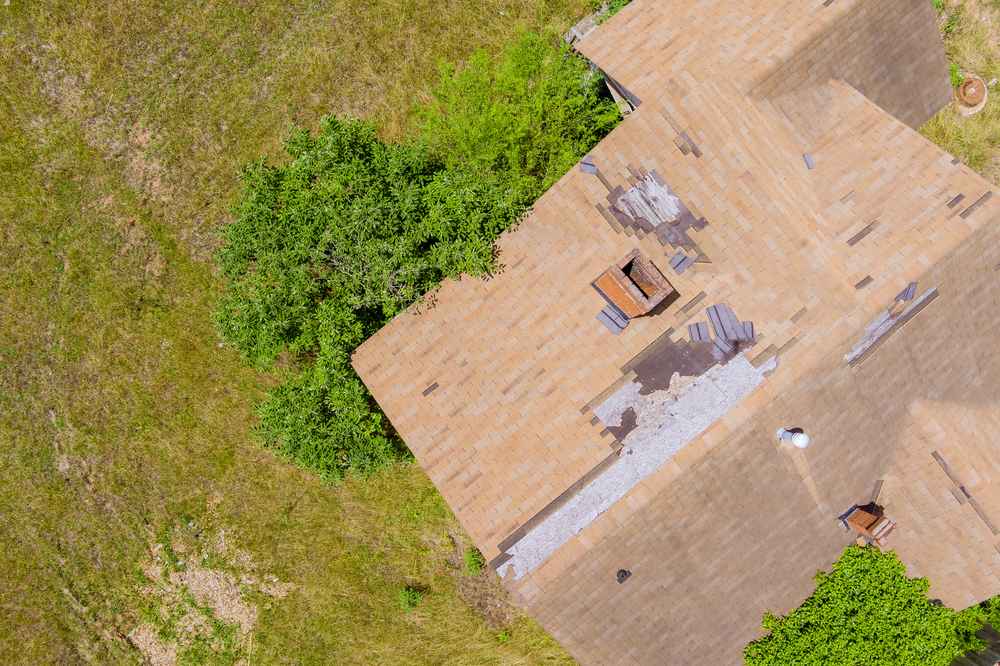
Cleveland Area Roofing Questions About Summer Storm Damage
Summer storms often leave homeowners with questions about leaks, inspections, hidden damage, and long-term roof performance. Below are some of the most common questions homeowners ask after severe weather affects their roof.
Can heavy rain damage a roof?
Yes, heavy rain can damage a roof when water enters vulnerable areas such as flashing gaps, lifted shingles, roof valleys, or aging underlayment. Wind-driven rain is especially effective at exposing weak roofing areas during summer storms.
Why is my roof leaking after a summer storm?
A roof may leak after a summer storm because wind, hail, or heavy rain exposed weaknesses that were already developing quietly over time. Aging shingles, flashing separation, and underlayment deterioration are common causes.
Should I inspect my roof after summer storms?
A roof inspection after summer storms often helps identify hidden damage before leaks worsen. Professional inspections may detect lifted shingles, hail bruising, flashing damage, or attic moisture that homeowners cannot easily see from the ground.
Can heat damage shingles?
Yes, heat can gradually damage shingles by accelerating granule loss, brittleness, and seal strip deterioration. Excessive attic heat caused by poor ventilation may worsen this process over time.
How do storms shorten roof lifespan?
Storms shorten roof lifespan by weakening shingles, loosening flashing, exposing underlayment, and allowing moisture intrusion. Repeated weather exposure gradually reduces the roof’s ability to protect the home effectively.
Can hail damage shingles without causing immediate leaks?
Yes, hail can damage shingles without causing immediate leaks. Smaller hail may bruise shingles or loosen protective granules before visible water intrusion appears inside the home.
How long can storm damage go unnoticed?
Storm damage can go unnoticed for weeks or months if leaks develop slowly beneath shingles or inside attic spaces. Some homeowners only discover the problem after ceiling stains or moisture damage become visible indoors.
Why Summer Storms Often Reveal Roofing Problems That Already Existed
Summer storms often reveal roofing weaknesses that have been developing quietly for years through age, weather exposure, ventilation issues, moisture buildup, and gradual material deterioration.
That is why fast inspections and honest evaluations matter after severe weather. Understanding whether the roof needs localized repairs, temporary stabilization, or full replacement helps homeowners avoid larger structural and financial problems later.
S&K Construction And Remodeling helps homeowners throughout Northeast Ohio evaluate storm-related roofing issues with detailed inspections, emergency service, financing options, photo documentation, and experienced installation crews focused on long-term durability.