(440) 307-2060
Will Insurance Cover New Roof? A Homeowner’s Complete Guide
One of the most common questions homeowners ask after discovering roof damage is: “Will insurance cover new roof replacement?” The answer isn’t always straightforward, because coverage depends on the cause of the damage, the age of the roof, your specific policy details, and even the region where you live. Understanding how homeowners insurance interacts with roof replacement is critical for protecting your home, planning for unexpected costs, and ensuring you’re not left paying entirely out-of-pocket.
In this guide, we’ll explore how insurance coverage works, what types of roof damage are typically included, how claims are evaluated, and what you can do to improve your chances of approval. By the end, you’ll have a clear picture of how insurance companies handle roof replacements and what steps you can take as a homeowner.
Why Roof Coverage Matters
Your roof is the first line of defense against rain, wind, hail, snow, and harsh sun. Without it, your home’s structure and everything inside it would be vulnerable. Because the roof plays such an essential role, damage to it can be costly to repair and devastating if ignored.
Homeowners insurance exists to protect you from sudden, unexpected events. But not every type of roof damage qualifies, and not every policy covers the same scenarios. That’s why knowing the ins and outs of roof coverage is so important before a problem arises.
What Homeowners Insurance Typically Covers
In general, insurance policies are designed to cover sudden and accidental damage—not wear and tear. That means damage caused by:
- Storms: High winds tearing shingles, hail puncturing materials, or heavy snow causing collapse.
- Fallen Trees or Debris: A tree branch breaking through the roof during a storm.
- Fire Damage: Fires (including lightning strikes) that destroy part or all of the roof.
- Vandalism or Accidents: Intentional damage or rare unexpected events.
These events are considered “perils” that fall under most standard homeowners policies. If your roof is damaged by one of these, insurance may pay for repair or replacement, depending on the extent of the damage.
What Insurance Usually Doesn’t Cover
While insurance can help with sudden events, it rarely covers:
- Normal Wear and Tear: Asphalt shingles that degrade after 20 years, cedar that naturally weathers, or flashing that rusts over time.
- Neglect or Poor Maintenance: Failure to clean gutters, remove moss, or fix minor leaks can void claims.
- Improper Installation: If the roof wasn’t installed according to building codes or manufacturer guidelines.
- Cosmetic Issues: Small dents from hail that don’t affect performance may not qualify.
- Exclusions in Certain Regions: In areas prone to hurricanes or earthquakes, separate riders or policies may be required.
In short, insurance is not a warranty—it’s protection against unexpected damage.
Replacement Cost vs. Actual Cash Value
One key factor in roof insurance coverage is how your policy values your roof.
- Replacement Cost Value (RCV)
- Covers the cost of replacing the roof with new materials of similar kind and quality.
- Does not deduct for depreciation.
- Typically results in a higher payout.
- Actual Cash Value (ACV)
- Pays the replacement cost minus depreciation.
- The older your roof, the less you receive.
- Can leave homeowners paying a significant portion out-of-pocket.
Understanding whether your policy is RCV or ACV can make thousands of dollars of difference in the event of a claim.
The Role of Roof Age in Insurance Decisions
Insurers often factor in the age of the roof when deciding on coverage:
- 0–10 years old: Most insurance companies are more likely to fully cover replacement if damaged by a covered peril.
- 10–20 years old: Coverage depends on condition and maintenance history. Some depreciation may be deducted.
- 20+ years old: Many insurers won’t cover full replacement, offering only limited payouts—or none at all.
Keeping records of your roof’s installation date, materials, and any maintenance helps when making claims.
Common Types of Roof Damage Covered
Let’s look more closely at what insurers typically approve:
- Wind Damage: Shingles ripped off or lifted by strong winds.
- Hail Damage: Bruises, cracks, or punctures to shingles or underlayment.
- Water Damage (from roof failure due to sudden event): Interior leaks caused by storm damage.
- Fire Damage: Complete or partial destruction of roofing materials.
- Tree or Debris Impact: Holes or breaks caused by falling branches or debris.
Documentation is key—photographs and inspection reports help demonstrate that damage was sudden and not due to gradual decline.
How to File a Roof Insurance Claim
Filing a claim correctly can make the difference between approval and denial. Here’s a step-by-step overview:
- Inspect and Document: After a storm, take photos of visible damage and note the date of the event.
- Contact Your Insurance Company: Notify your insurer as soon as possible. Some policies have strict deadlines.
- Schedule an Adjuster Visit: The insurance company will send an adjuster to assess the damage.
- Get Independent Estimates: Hiring a roofing contractor to provide a quote ensures you know the true repair or replacement cost.
- File the Claim with Documentation: Submit all evidence, estimates, and forms required.
- Review the Settlement: Once the insurer calculates payout (based on RCV or ACV), you’ll know how much they’ll cover.
- Proceed with Repairs: Use licensed contractors and keep all receipts for records.
Why Claims Get Denied
Not every claim gets approved. Common reasons for denial include:
- Damage Attributed to Age or Neglect: If your roof was already deteriorating.
- Insufficient Evidence: Lack of documentation or delayed reporting.
- Policy Exclusions: Certain perils (like floods or earthquakes) may not be covered.
- Unlicensed Contractors: Using non-certified roofers may void claims.
Appeals are possible, but they require strong evidence and persistence.
How Deductibles Affect Payouts
Every insurance policy has a deductible—the amount you pay before insurance kicks in. For example:
- If replacement costs $12,000 and your deductible is $2,500, insurance may only cover $9,500.
- Some policies have percentage deductibles for wind or hail, often 1–5% of your home’s insured value.
Understanding your deductible is crucial for budgeting after damage.
Regional Considerations
Where you live affects roof coverage.
- Hurricane-Prone States: Some insurers exclude windstorm damage unless you purchase separate coverage.
- Hail Belt (Midwest, Plains, Texas): High deductibles or specific hail exclusions are common.
- Wildfire Areas (West): Fire coverage is standard but premiums may be higher.
- Snowy Climates: Insurance may cover roof collapse from excessive weight of snow, but not gradual leaks from ice dams.
Local conditions shape policies, so always review coverage details based on your region.
The Importance of Regular Roof Maintenance
Even though insurance covers sudden damage, homeowners can increase claim success through proactive care:
- Annual Inspections: Catch issues before they worsen.
- Gutter Cleaning: Prevents water back-up and ice dams.
- Trimming Trees: Reduces risk of falling branches.
- Moss and Algae Removal: Prevents premature deterioration.
- Immediate Repairs: Fix small leaks before they cause major issues.
Maintaining your roof demonstrates to insurers that damage wasn’t due to neglect.
Documentation: Your Best Friend in a Claim
When filing a claim, proof is everything. Homeowners should keep:
- Photos of the Roof: Taken at installation and after major storms.
- Receipts for Repairs and Maintenance: Shows diligence.
- Inspection Reports: From licensed roofing contractors.
- Correspondence with Insurance Company: For claim tracking.
The more evidence you have, the stronger your claim becomes.
Roof Materials and Insurance
Different roofing materials can impact premiums and coverage:
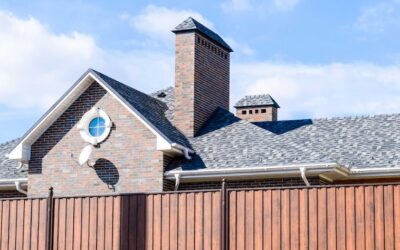
- Asphalt Shingles: Most common, widely covered.
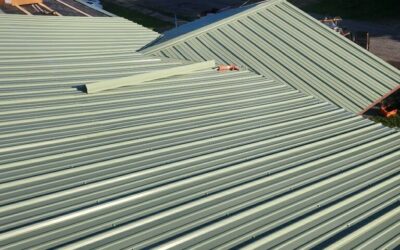
- Metal Roofing: Often qualifies for discounts due to durability.
- Slate or Tile: Higher replacement costs may affect coverage limits.
- Cedar Shakes/Shingles: May face higher premiums due to fire risk.
Some insurers even offer discounts for impact-resistant shingles in hail-prone regions.
Can Insurance Pay for Upgraded Roofing?
Insurance typically covers “like kind and quality.” That means if you had asphalt shingles, they’ll pay to replace asphalt shingles. However, some homeowners use insurance payouts as an opportunity to upgrade.
- Upgrades: If you want to switch from asphalt to metal or slate, you’ll often pay the difference.
- Building Code Upgrades: Some policies include coverage for code-required upgrades, like additional underlayment.
Review your policy to see if code upgrade coverage is included.
Myths About Roof Insurance Coverage
- “Insurance always covers a new roof.” False—only if damage is sudden and from a covered peril.
- “Old roofs are still covered.” Not always; older roofs often have reduced or no coverage.
- “You don’t need maintenance if you have insurance.” False—neglect can void claims.
- “Any storm damage qualifies.” Not true—cosmetic damage may not be covered.
Understanding these myths prevents surprises during claims.
How Long the Claims Process Takes
Roof insurance claims can move quickly or take weeks depending on:
- Severity of damage.
- Availability of adjusters.
- Whether a storm affected many homes in your area.
- Completeness of your documentation.
Simple claims may settle within two weeks, while complex ones can take months.
Tips to Improve Claim Success
- File promptly after damage.
- Provide thorough documentation.
- Get multiple contractor estimates.
- Work with contractors experienced in insurance claims.
- Keep communication open with your insurer.
The Future of Roof Insurance
As extreme weather becomes more common, insurers are adjusting coverage:
- Higher deductibles for hail and wind.
- Stricter age limits on covered roofs.
- Incentives for impact-resistant materials.
- Increased use of drone inspections.
Homeowners should stay informed about changing policies to avoid unexpected gaps in coverage.
Final Thoughts
So, will insurance cover new roof replacement? The answer depends on many factors—your policy, the cause of the damage, the age of your roof, and the evidence you provide. Insurance is designed to help when disaster strikes, not to replace roofs that have reached the end of their natural lifespan.
For homeowners, the best approach is preparation: understand your policy, maintain your roof, document its condition, and act quickly after storms. With these steps, you’ll be in the best position to secure coverage when you truly need it. 440-235-3124