Strong winds are part of life in Northeast Ohio. A summer thunderstorm can move through with little warning, bringing 50 to 60 mph gusts that test every part of a roofing system. In winter, wind-driven snow and freeze-thaw cycles slowly wear down shingles that may already be aging. Many homeowners do not realize their roof has become vulnerable until shingles appear in the yard or water stains begin forming inside the home.
That is one reason wind-resistant roofing systems have become more important for homeowners throughout Northeast Ohio. A roof’s ability to hold up during storms is not just about surviving one severe weather event. It is about how the roofing system performs through years of changing temperatures, moisture exposure, seasonal windstorms, and aging materials.
A roof’s storm durability depends on several factors working together, including the shingles installed, installation quality, attic ventilation, underlayment protection, and the overall condition of the roof itself. Even a newer roof can become vulnerable if materials were installed incorrectly or if ventilation problems weaken the system over time.
Most modern architectural shingles are designed to withstand wind speeds between 110 and 130 mph when installed according to manufacturer standards. Understanding those ratings can help homeowners make better decisions about repairs, replacement planning, and ongoing maintenance before problems become more expensive.
In this guide, we’ll explain:
- What wind ratings actually mean
- Why some roofs handle storms better than others
- How wind damage develops over time
- The difference between architectural and 3-tab shingles
- What homeowners should inspect after storms
- When repairs make sense versus replacement
- How stronger roofing systems improve long-term protection
If your roof has recently been through severe weather or you are unsure how well it is prepared for future Ohio storms, S&K Construction And Remodeling can help.
Why Wind Ratings Matter More in Northeast Ohio
When homeowners hear the term “wind-rated shingles,” many assume it simply means shingles that stay attached during storms. In reality, wind ratings are closely tied to how well the entire roofing system performs over time.
Throughout Northeast Ohio, roofs deal with constant environmental stress long before visible damage appears. Summer storms bring strong gusts and wind-driven rain, while winter introduces freezing temperatures, snow buildup, and repeated expansion and contraction of roofing materials. Over time, those conditions weaken shingles, flashing, and seal strips.
Wind ratings matter because they measure how well roofing materials resist uplift pressure during storms. As wind moves across a roof, it creates suction that tries to lift shingle edges upward. If shingles become brittle with age or lose their seal, wind can begin pulling sections of the roof apart.
This is especially important in older Northeast Ohio neighborhoods where many roofing systems are already approaching the later stages of their lifespan. A roof may still look acceptable from the ground while gradually becoming more vulnerable during storms.
Many homeowners also assume storm damage only happens during extreme weather. More often, moderate wind events create smaller forms of damage that worsen gradually. Granule loss, lifted shingle edges, and flashing separation may develop years before a visible leak appears inside the home.
Understanding wind ratings helps homeowners judge whether their current roof is still prepared for Ohio windstorms or whether it may already be losing its ability to protect the home effectively.
What Wind Ratings Actually Mean for Your Roof
Wind ratings are designed to show how resistant roofing materials are to lifting or failure during high winds. Manufacturers test shingles under controlled conditions to determine how much wind pressure they can withstand before separating from the roof deck.
Modern Architectural Shingles Are Built for Higher Wind Speeds
Older 3-tab shingles were commonly rated around 60 mph. Modern architectural shingles are thicker, heavier, and designed with stronger adhesive seal strips that help shingles remain bonded during storms. Many architectural products now carry ratings between 110 and 130 mph when installed properly.
Products like Owens Corning Duration shingles also use reinforced nailing zones and stronger adhesive technology intended to improve performance during high winds.
Wind Ratings Depend on More Than the Shingles Alone
A roof does not become storm-proof simply because stronger shingles are installed. Wind performance depends on how the full roofing system works together.
Even high-quality shingles can fail if:
- attic ventilation is poor
- flashing is installed incorrectly
- nails are misplaced
- underlayment is compromised
- roof decking weakens with age
That is why installation quality matters just as much as material selection.
At S&K Construction And Remodeling, roofing systems are installed with attention to ventilation, fastening patterns, flashing protection, and underlayment performance because each component affects durability during storms.
Better materials and better installation methods also help reduce the likelihood of recurring repairs after severe weather.
How Wind Damage Usually Starts on a Roof
One of the biggest misconceptions about wind damage is that it happens suddenly. Most roofing systems deteriorate gradually before a storm finally exposes the weakness.
Aging Roofing Materials Gradually Lose Their Storm Protection
Years of UV exposure, moisture, freezing temperatures, attic heat buildup, and seasonal expansion slowly weaken roofing materials. Adhesive seal strips become less flexible, shingles lose protective granules, and fasteners loosen as roof decking expands and contracts.
As those materials age, the roof becomes increasingly vulnerable during windstorms, even if the damage is not immediately visible from the ground.
Small Areas of Wind Stress Become Larger Roofing Problems Over Time
Once materials begin weakening, wind starts exploiting small vulnerabilities.
A shingle edge may lift slightly during one storm and settle back down without obvious visible damage. During future storms, the same area experiences additional stress. Over time:
- seal strips weaken further
- moisture reaches lower roofing layers
- granule loss accelerates
- shingles become brittle
- flashing begins separating
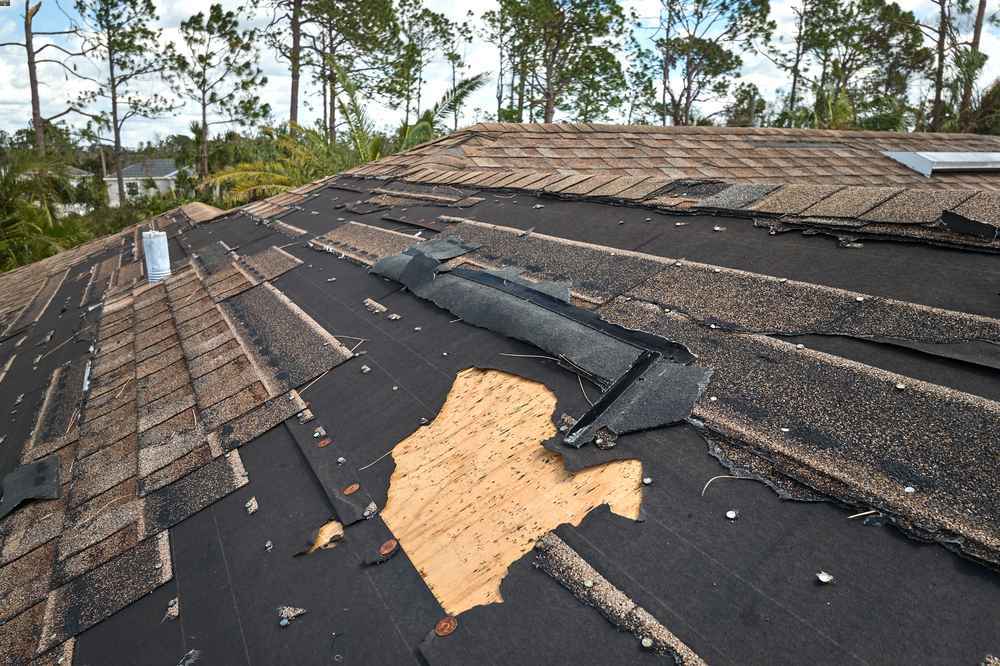
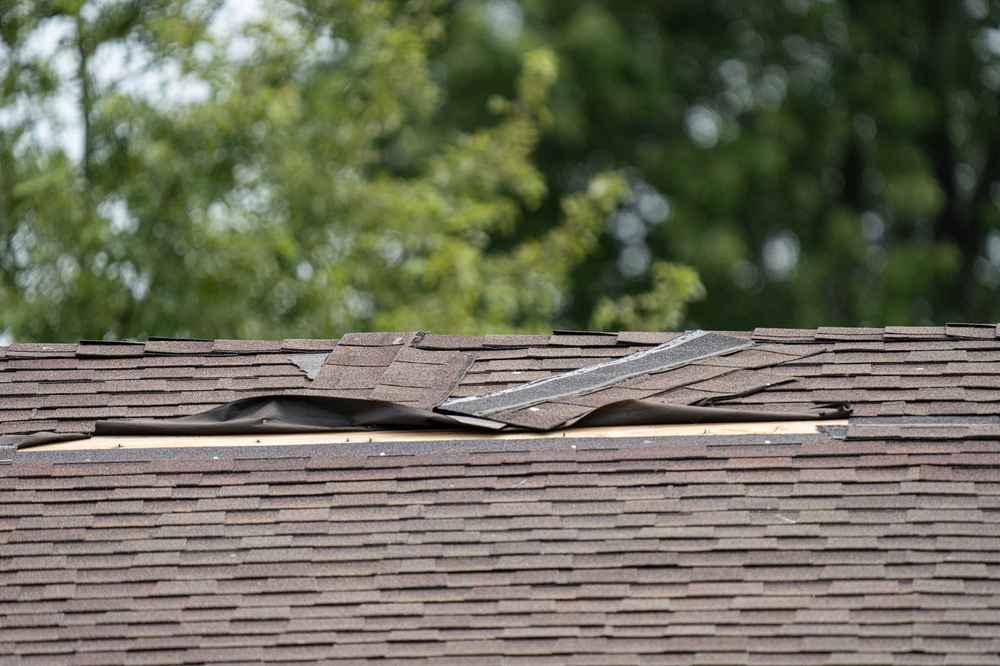
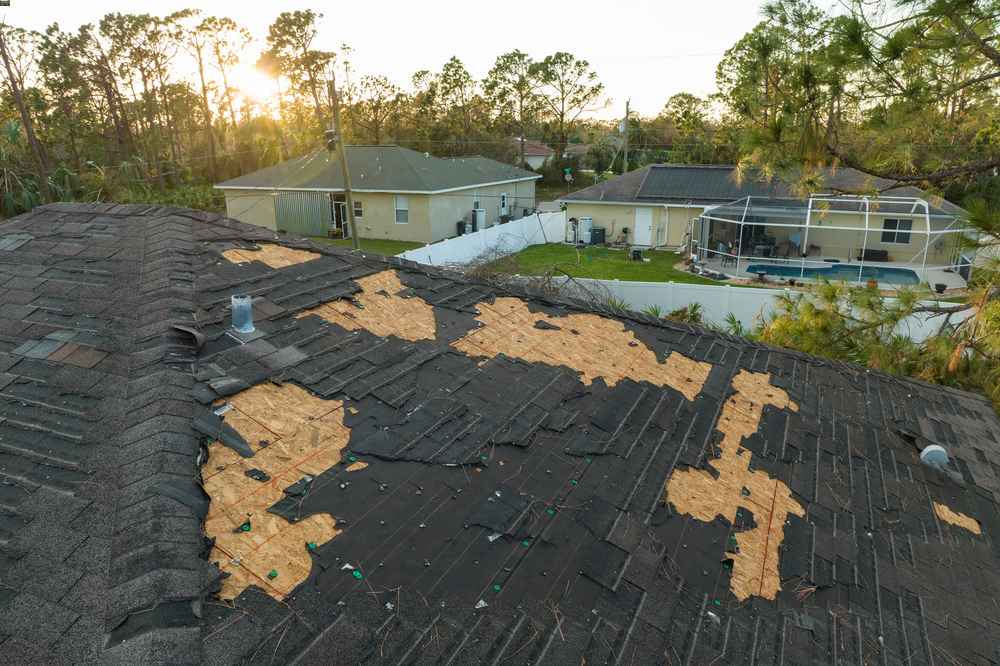
Eventually, visible damage appears as missing shingles, exposed underlayment, or interior water intrusion.
Preventing major storm damage is often less about one large repair and more about recognizing when a roofing system is beginning to lose durability.
Architectural Shingles Hold Up Better During Ohio Windstorms
The difference between architectural shingles and older 3-tab roofs becomes much more noticeable during high-wind storms.
Heavier Shingle Construction Helps Resist Wind Uplift
Architectural shingles use multiple layers to create a thicker, heavier roofing material. That added weight helps resist uplift pressure because the shingles create a stronger seal and are less likely to bend or crease during storms.
In Northeast Ohio, that added durability matters because roofs regularly face:
- strong thunderstorm winds
- hail and wind combinations
- freeze-thaw stress
- ice accumulation
- prolonged moisture exposure
Longer Lifespans Help Roofing Systems Maintain Better Storm Performance
Architectural shingles also tend to age more slowly than thinner roofing materials. As shingles age, storm protection naturally declines. Heavier products generally maintain their integrity longer, especially when paired with proper ventilation and underlayment protection.
Many homeowners also appreciate the stronger warranty coverage available with architectural systems. S&K Construction And Remodeling installs Owens Corning Duration shingles and other systems backed by 50-year product warranties and a 10-year workmanship guarantee.
While architectural shingles usually cost more initially, many homeowners view the investment as a way to reduce future repair risk and improve overall reliability.
Common Signs a Roof May Already Have Wind Damage
Understanding wind ratings also helps homeowners know what to inspect after storms.
Even roofs with stronger wind ratings should still be checked periodically because storm damage is not always obvious from the ground.
Missing Shingles Often Signal Broader Roofing Problems
After heavy winds, homeowners should safely look for missing shingles or exposed roofing layers. Even isolated shingle loss may indicate nearby shingles have loosened or weakened.
For example, a newer roof with a few lifted shingles after a storm may only need localized repairs. An older roof with repeated granule loss and widespread lifting may continue having problems even after patchwork repairs.
Lifted Edges and Granule Loss Often Appear Before Leaks
Shingles that appear curled, uneven, or covered with excessive granule loss may already be losing their ability to withstand future storms. Granules protect shingles from UV exposure, and once they wear away, roofing materials deteriorate faster.
Flashing and Moisture Problems Often Develop Quietly
Areas near chimneys, vents, and valleys should also be inspected for loose flashing or separation. Inside the home, attic moisture or ceiling stains may indicate wind-driven rain has already penetrated the roofing system.
Professional inspections can help identify hidden issues before they become larger structural problems.
When Wind Damage Can Be Repaired vs When Replacement Makes Sense
Wind resistance plays an important role when deciding whether a roof should be repaired or replaced.
Isolated Storm Damage Can Often Be Repaired Successfully
In some situations, repairs are practical. A newer roof with isolated wind damage may only require replacing a small section of shingles or repairing flashing components.
When wind damage reaches the point of missing shingles or interior leaks, homeowners insurance may also help cover repairs depending on the age of the roof and the cause of damage.
Aging Roofing Systems Become More Vulnerable After Repeated Storms
Repeated storm repairs often indicate the roofing system is losing overall durability.
In many cases, replacement becomes the more practical long-term option when:
- shingles have become brittle
- multiple repairs have already occurred
- granule loss is widespread
- seal strips are failing
- matching shingles are unavailable
- the roof is nearing the end of its lifespan
For many homeowners, the decision becomes financial as much as structural. Repeated repairs can gradually add up while still leaving the home vulnerable during future storms.
This is also where financing discussions become important. S&K offers financing options that help homeowners address roofing issues before water damage or structural deterioration becomes more expensive. Financing includes zero down programs, 12 months same-as-cash, and extended payment structures through Service Finance for qualified homeowners.
Installation Quality Plays a Major Role in Wind Resistance
A roof’s wind rating is only as reliable as the installation behind it.
Proper Installation Methods Help Roofs Handle Severe Weather More Effectively
Even premium shingles can fail prematurely if roofing systems are rushed, improperly nailed, or installed without proper ventilation planning.
This is one reason homeowners should ask detailed questions before hiring a roofing contractor after storm damage.
Important questions include:
- Is the contractor licensed and insured?
- Will attic ventilation be evaluated?
- Are installation photos provided?
- Is onsite supervision included?
- What workmanship warranty is offered?
- Will flashing and decking be inspected?
Thorough Oversight Helps Improve Roof Performance Over Time
S&K Construction And Remodeling supervises projects onsite and documents roofing installations from start to finish because storm performance depends on installation quality, not just product selection.
Many projects are also completed in one business day using full crews that reduce the amount of time the roof remains exposed during replacement.
Northeast Ohio Roofing Questions About Wind Ratings and Storm Damage
Understanding wind ratings often leads homeowners to more practical questions about inspections, storm damage, insurance coverage, and roof performance over time. Below are some of the most common questions homeowners ask after experiencing high winds or evaluating an aging roof.
What are wind rated shingles?
Wind rated shingles are roofing shingles tested to withstand specific wind speeds before lifting or failing. Most modern architectural shingles are rated between 110 and 130 mph when installed according to manufacturer guidelines. Those ratings help homeowners compare roofing systems based on durability and storm performance.
How much wind can architectural shingles withstand?
Architectural shingles can often withstand winds between 110 and 130 mph when installed correctly. Actual performance depends on installation quality, roof age, attic ventilation, and the severity of storm conditions.
Why do roofs lose wind resistance over time?
Roofs lose wind resistance over time because years of UV exposure, moisture, freezing temperatures, and seasonal expansion gradually weaken roofing materials. As shingles age, adhesive seal strips become less effective and granules wear away, making the roof more vulnerable during storms.
Are architectural shingles better for wind resistance?
Architectural shingles are generally better for wind resistance because they are thicker and heavier than traditional 3-tab shingles. Their layered construction helps create a stronger seal that holds up better during Ohio windstorms.
Can a roof have wind damage without missing shingles?
A roof can absolutely have wind damage without missing shingles. Early storm damage often appears as lifted edges, creased shingles, flashing separation, or granule loss before shingles fully detach from the roof.
Does homeowners insurance cover wind damage roof repairs?
Homeowners insurance often covers wind damage roof repairs when the damage is caused by a sudden storm event. Coverage depends on roof age, policy terms, inspection findings, and whether the damage is considered storm-related rather than normal wear.
How do I know if my roof is still rated for high winds?
A roof may no longer perform as well during storms when shingles become brittle, seal strips weaken, or repeated repairs begin occurring. A professional inspection can help determine whether the roofing system is still providing reliable wind protection.
How do I know if my roof needs replacement after wind damage?
A roof may need replacement after wind damage when repairs become frequent, shingles turn brittle, granule loss becomes widespread, or leaks continue appearing after storms. A professional inspection can help determine whether repairs are still practical or if the roofing system is losing long-term reliability.
Should I get a roof inspection after a major storm?
A roof inspection after a major storm is a smart way to identify hidden damage before it leads to leaks or structural deterioration. Even when damage is not immediately visible from the ground, lifted shingles or flashing problems may already be developing beneath the surface.
How Wind-Resistant Roofing Helps Prevent Long-Term Storm Damage
Wind resistance is not determined by shingles alone. It is the result of how the entire roofing system performs over time under real weather conditions. In Northeast Ohio, roofs face years of storm exposure, temperature swings, moisture stress, and seasonal wind events that gradually affect roofing performance long before visible problems appear.
The goal is not simply choosing the highest wind rating available. It is choosing a roofing system that fits your home, your budget, and the weather conditions your roof will face over time.
Understanding wind ratings helps homeowners make better decisions about roofing materials, repairs, inspections, and replacement planning. Stronger roofing systems paired with proper installation methods can reduce the likelihood of recurring storm damage and help protect the home more consistently over time.
If you are unsure whether your current roof is still prepared for Northeast Ohio windstorms, S&K Construction And Remodeling can provide a detailed inspection, photo documentation, and straightforward recommendations based on the condition of your roof. Schedule your free inspection today.