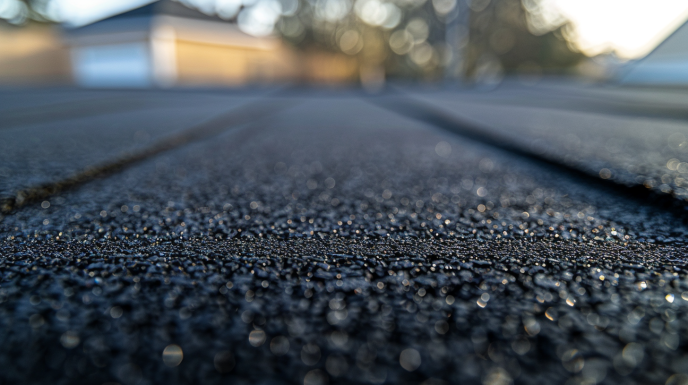
Most homeowners comparing roofing estimates focus on the shingles they can see. But one of the biggest differences between roofing systems is often hidden underneath them.
In Northeast Ohio, roofs deal with snow accumulation, ice dams, wind-driven rain, and freeze-thaw cycles that can slowly force moisture beneath shingles over time. That is one reason more homeowners researching roof underlayment types in Cleveland, OH are asking why one contractor recommends synthetic roof underlayment while another still installs traditional felt.
The answer usually comes down to durability, moisture protection, and long-term roof performance.
Roof underlayment acts as the protective layer between the roof decking and shingles. While shingles shed most water, the underlayment helps protect the home if moisture works beneath the roofing material during storms, ice damming, or aging roof conditions.
In this guide, we’ll explain:
- what roof underlayment actually does
- the difference between felt and synthetic underlayment
- which underlayment performs better during Ohio weather
- how underlayment affects roof lifespan
- why ice and water protection matters in Northeast Ohio
- what homeowners should ask before signing a roofing contract
If you are comparing roofing estimates or planning a roof replacement, S&K Construction And Remodeling can help homeowners understand what they are actually paying for beneath the shingles.
What Roof Underlayment Actually Does
Roof underlayment is the moisture-resistant barrier installed directly over roof decking and beneath shingles. Its purpose is helping protect the roof if water penetrates past the outer roofing material.
Many homeowners assume shingles alone waterproof the roof. In reality, shingles primarily shed water while the underlayment acts as secondary protection underneath.
Underlayment Helps Protect Roof Decking From Moisture
When roofing systems age or storms damage shingles, moisture can sometimes move beneath the outer roofing surface.
Underlayment helps reduce direct exposure to:
- roof decking
- attic insulation
- framing materials
- interior ceilings
Without proper roof decking protection, long-term moisture exposure can eventually lead to:
- wood rot
- attic mold
- insulation damage
- ceiling staining
- structural deterioration
Northeast Ohio Weather Creates More Stress on Roofing Systems
In Northeast Ohio, roofing systems regularly deal with:
- snow loads
- ice damming
- freeze-thaw cycles
- hail exposure
- heavy rain
- strong winds
This constant weather exposure is one reason modern roofing systems increasingly rely on upgraded water resistant roof underlayment products for long-term durability.
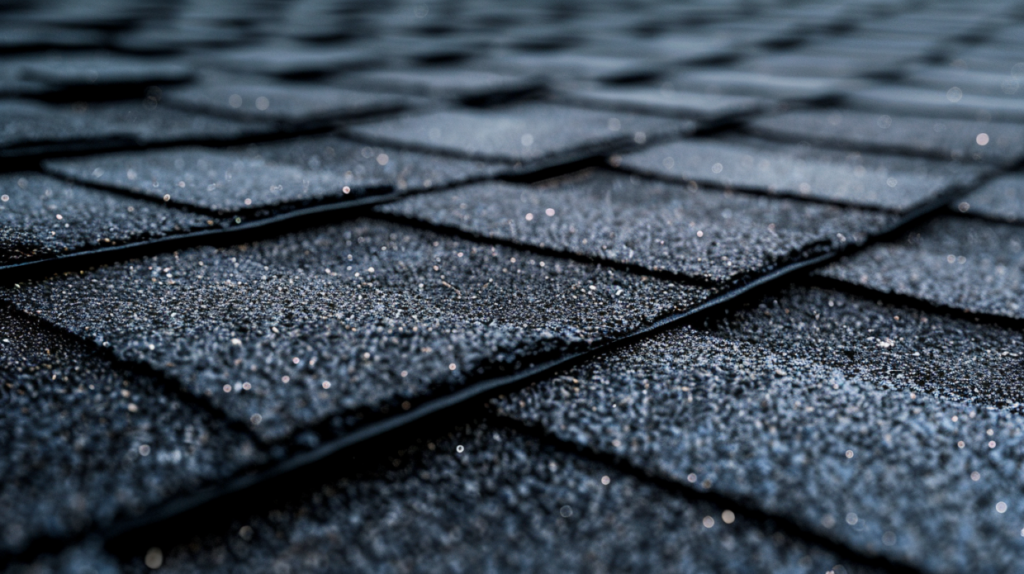
Traditional Felt Underlayment: Pros and Limitations
Felt roof underlayment has been used in residential roofing for decades. Many homeowners still have felt beneath their existing roof today.
Felt Underlayment Remains a Lower-Cost Roofing Option
Traditional felt is typically asphalt-saturated paper available in multiple thicknesses.
Advantages of felt underlayment include:
- lower upfront material cost
- widespread industry familiarity
- long history of residential use
For some roofing projects, especially lower-budget replacements, felt may still be a reasonable option.
Felt Underlayment Is More Vulnerable to Moisture Exposure
One limitation of felt is that it absorbs moisture more easily than synthetic materials.
Over time, felt may:
- wrinkle
- tear
- deteriorate faster
- become less stable during installation
- weaken after prolonged weather exposure
This becomes more noticeable during Northeast Ohio weather conditions where roofs experience repeated freezing, thawing, and moisture exposure throughout the year.
Synthetic Roof Underlayment: Why More Roofers Use It Today
Synthetic roof underlayment has become much more common on modern roofing systems, especially with architectural shingles and premium asphalt roofing products.
Synthetic Underlayment Provides Better Durability During Installation
Synthetic products are engineered from polymers designed to resist tearing and moisture absorption.
Compared to felt, synthetic underlayment is generally:
- lighter
- stronger
- more tear-resistant
- less absorbent
- more stable during weather exposure
This matters during roof replacement projects because sudden rain or wind exposure can happen before shingles are fully installed.
Synthetic Systems Pair Better With Modern Roofing Materials
Many manufacturers now recommend synthetic underlayment alongside architectural shingles because the systems are designed to work together for better long-term performance.
Homeowners comparing roofing underlayment comparison estimates often notice synthetic systems appear more frequently on:
- architectural shingle roofs
- luxury asphalt systems
- storm-resistant roofing systems
This is especially true in areas dealing with high winds, attic moisture concerns, and ice damming conditions.
Which Underlayment Performs Better During Ohio Weather?
One of the most important questions homeowners ask is whether synthetic vs felt underlayment really makes a noticeable difference during Ohio weather conditions.
Freeze-Thaw Cycles Create Long-Term Roofing Stress
Northeast Ohio roofs regularly experience repeated freezing and thawing throughout winter.
When snow melts and refreezes near roof edges, water can back up beneath shingles and expose vulnerable areas underneath. Over time, weaker moisture protection can allow water intrusion into decking and attic spaces.
Synthetic systems generally perform better during prolonged moisture exposure because they resist absorbing water and maintain structural stability more effectively.
Wind-Driven Rain Tests Roofing Systems Differently
Heavy storms often push rain sideways beneath shingles during high winds. This is where underlayment becomes especially important as secondary protection.
Many homeowners never realize moisture entered beneath their shingles until:
- ceiling stains appear
- attic moisture develops
- insulation becomes saturated
- leaks appear after storms
That is why many contractors now prefer synthetic underlayment for roof replacement projects in Northeast Ohio.
How Underlayment Affects Roof Lifespan
One of the biggest misconceptions homeowners have is assuming underlayment only matters during installation.
In reality, underlayment continues protecting the roofing system for decades.
Better Moisture Protection Helps Preserve Roofing Systems
When roofing systems experience small forms of storm damage over time, quality underlayment helps reduce how quickly moisture reaches the decking beneath the shingles.
This can help reduce:
- premature decking deterioration
- insulation damage
- attic humidity problems
- recurring leak issues
Roofing Systems Work Best as Complete Systems
Long-term roof performance depends on multiple components working together:
- shingles
- underlayment
- flashing
- attic ventilation
- decking protection
That is one reason many homeowners upgrading to Owens Corning architectural shingles also choose upgraded synthetic underlayment systems during replacement.
Why Ice and Water Protection Matters in Northeast Ohio
Ice and water shield Ohio roofing systems have become increasingly important because of the region’s winter weather patterns.
Ice Dams Force Water Beneath Shingles
Ice dams form when melting snow refreezes near colder roof edges. As water backs up behind the ice, it can eventually move beneath shingles and expose vulnerable roofing layers.
Ice and water shield products help provide extra protection in vulnerable areas such as:
- roof edges
- valleys
- penetrations
- low-slope transitions
Attic Ventilation Still Matters
Even the best underlayment cannot fully compensate for poor ventilation or attic moisture problems.
That is why roofing systems should always be evaluated as complete systems rather than individual materials alone.
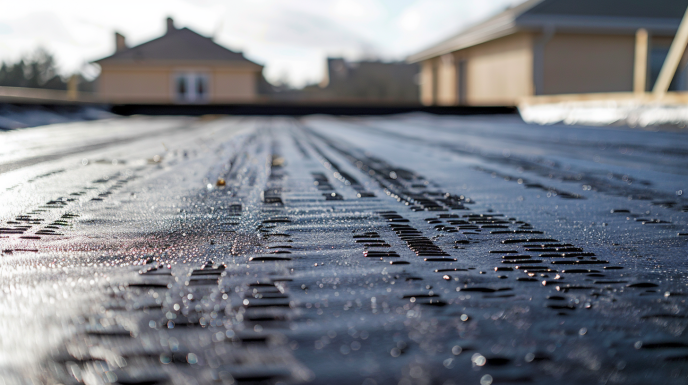
Questions Homeowners Should Ask Before Signing a Roofing Contract
Many homeowners comparing roofing estimates do not realize underlayment quality may differ significantly between contractors.
Roofing Estimates Should Clearly Explain Materials
Homeowners should ask:
- what type of underlayment is included
- whether ice and water shield is included
- what warranty coverage applies
- how ventilation will be addressed
- whether decking inspection is included
These details often affect long-term roof performance more than homeowners initially realize.
Financing Can Help Homeowners Upgrade Roofing Systems
Some homeowners choose upgraded underlayment systems during roof replacement because financing makes larger projects more manageable.
S&K offers financing through Service Finance with:
- zero down financing
- 12 months same-as-cash
- extended payment options
- pre-approval with roughly a 620 credit score
For example, a $15,000 roofing project may average roughly $200 per month depending on financing terms.
How S&K Chooses Roofing Materials for Long-Term Protection
Homeowners researching underlayment for roof replacement projects are often really asking a larger question:
“What roofing system will protect my home best long term?”
Roofing Recommendations Should Match the Home and Budget
Some homes may perform perfectly well with traditional felt systems, while others benefit from upgraded synthetic protection because of:
- roof design
- attic ventilation concerns
- storm exposure
- long-term ownership plans
S&K helps homeowners evaluate roofing systems honestly based on the actual condition of the home and long-term goals.
Owens Corning Roofing Systems Are Designed for Northeast Ohio Weather
S&K installs Owens Corning roofing systems backed by:
- 50-year product warranties
- 10-year workmanship guarantees
- architectural and luxury shingle options
- upgraded moisture protection systems
Many projects are completed in one business day using full crews and onsite supervision. Start-to-finish project photos also help homeowners understand exactly how the roofing system is installed beneath the shingles.
“The crew explained the difference between felt and synthetic underlayment in a way that actually made sense. We felt much more comfortable understanding where the money was going and why the upgraded system fit our home better long term.”
— Northeast Ohio homeowner
Cleveland Area Roofing Questions About Felt and Synthetic Underlayment
Many homeowners comparing roofing materials have practical questions about durability, leaks, cost, and long-term roof protection. Below are some of the most common questions homeowners ask before roof replacement projects.
What is roof underlayment?
Roof underlayment is the protective moisture barrier installed between roof decking and shingles. It helps reduce water intrusion if moisture penetrates beneath the roofing material during storms or ice damming conditions.
Is synthetic roof underlayment worth it?
Yes, synthetic roof underlayment is often worth the upgrade for homeowners wanting stronger moisture resistance, better tear protection, and improved long-term durability during Northeast Ohio weather conditions.
Does underlayment protect against leaks?
Yes, underlayment helps protect against leaks by acting as a secondary moisture barrier beneath shingles. It becomes especially important during wind-driven rain, ice dams, or storm-related roof damage.
What is the best underlayment for asphalt shingles?
The best underlayment for asphalt shingles often depends on the roofing system, budget, and weather exposure. Many modern architectural shingle systems now pair with synthetic underlayment for stronger long-term performance.
How long does roof underlayment last?
Roof underlayment can often last as long as the roofing system itself when installed properly. Lifespan depends on installation quality, ventilation, moisture exposure, and the type of underlayment installed.
Do all roof replacements include new underlayment?
Yes, most professional roof replacements include new underlayment because the old moisture barrier is typically removed during tear-off. Reusing old underlayment can increase the risk of future moisture problems.
Can underlayment help prevent ice dam damage?
Yes, quality underlayment and ice-and-water shield products help reduce moisture intrusion caused by ice dams. However, attic ventilation and insulation still play major roles in preventing winter roofing problems.
How Better Roofing Systems Help Protect Homes Long Term
Roof underlayment may not be visible after installation, but it plays a major role in how well a roofing system handles moisture, storms, and long-term weather exposure. In Northeast Ohio, where roofs regularly deal with snow, hail, wind, ice, and freeze-thaw cycles, stronger moisture protection often helps reduce future repair risks.
Understanding the difference between felt and synthetic underlayment helps homeowners compare roofing estimates more intelligently and better understand what they are paying for beneath the shingles.
S&K Construction And Remodeling helps homeowners throughout Northeast Ohio evaluate roofing systems honestly with documented inspections, financing options, emergency service, and experienced installation crews focused on long-term durability.