Why Does My Roof Leak

by | Jun 6, 2025 | Blog

Why Does My Roof Leak? Understanding the Causes and Solutions

A leaking roof is more than just an inconvenience; it can lead to significant damage to your home if not addressed promptly. Understanding the reasons behind roof leaks is crucial for effective prevention and timely repairs.

Common Causes of Roof Leaks

1. Aging Roofing Materials

Over time, roofing materials deteriorate due to exposure to the elements. Asphalt shingles, for instance, can become brittle, crack, or lose granules, compromising their ability to repel water.

2. Damaged or Missing Shingles

High winds, storms, and falling debris can damage or dislodge shingles, exposing the underlying roof structure to moisture. Regular inspections can help identify and replace missing or broken shingles promptly.

3. Improperly Installed Flashing

Flashing seals the joints and edges of your roof, preventing water intrusion. If flashing is improperly installed or deteriorates over time, it can allow water to seep into your home.

4. Clogged Gutters

Gutters clogged with leaves and debris can cause water to back up onto the roof, leading to leaks. Ensuring gutters are clean and free-flowing is essential for proper drainage.

5. Roof Penetrations

Areas where vents, chimneys, or skylights penetrate the roof are susceptible to leaks if not properly sealed. Regular maintenance of these areas is crucial to prevent water intrusion.

6. Ice Dams

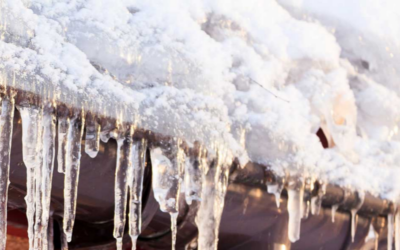
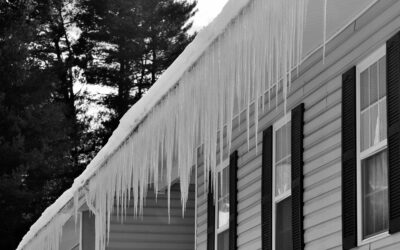
In colder climates, ice dams can form at the edge of the roof, preventing melting snow from draining properly. This trapped water can seep under shingles and into the home.

7. Condensation in the Attic

Poor ventilation can lead to condensation buildup in the attic, which may mimic a roof leak. Ensuring proper attic ventilation helps prevent moisture accumulation.

Signs of a Roof Leak

Identifying a roof leak early can prevent extensive damage. Look out for:

  • Water stains on ceilings or walls
  • Dripping water or moisture in the attic
  • Peeling paint or wallpaper
  • Mold or mildew growth
  • Missing or damaged shingles

Preventing Roof Leaks

Proactive maintenance is key to preventing roof leaks:

  • Regular Inspections: Schedule professional roof inspections, especially after severe weather events.
  • Gutter Maintenance: Keep gutters clean to ensure proper water drainage.
  • Attic Ventilation: Ensure your attic is well-ventilated to prevent condensation.
  • Prompt Repairs: Address any signs of damage immediately to prevent escalation.

When to Call a Professional

If you notice signs of a roof leak or suspect damage, it’s essential to consult a professional roofing contractor. They can assess the situation accurately and recommend appropriate repairs or replacements.
How do ice dams cause hidden roof damage?

Ice dams cause hidden roof damage by trapping water behind ice along the roof edge. This water can soak into decking, insulation, and attic space during winter, but the damage often becomes visible after the thaw when moisture begins to dry out.

Why do ice dam leaks show up in spring instead of winter?

Ice dam leaks show up in spring because moisture often stays frozen during winter. Once temperatures rise, trapped water moves through the roof system and can cause stains, mold, or damp insulation.

How do I know if my roof has ice dam damage after winter?

You may have ice dam damage if you see ceiling stains, musty smells, curling shingles, or damp insulation after snow melts. Many Cleveland homeowners only notice problems once the attic warms up.

Can attic ventilation prevent ice dam damage?

Attic ventilation can help prevent ice dam damage by keeping the roof temperature even. Poor ventilation allows heat to melt snow unevenly, which increases the chance of ice forming along the edge.

Does ice dam damage mean I need a new roof?

Ice dam damage does not always mean full replacement is needed. Some roofs only need repairs, but severe moisture damage may require decking or ventilation work.

Is ice dam damage common in Cleveland, OH?

Ice dam damage is common in Cleveland because winter temperatures often freeze and thaw. This pattern allows ice to form repeatedly and increases the chance of hidden roof damage.

Should I inspect my roof after winter?

You should inspect your roof after winter because ice dam damage may not be visible from the ground. A spring inspection can find hidden moisture and ventilation problems.

Can ice dams cause mold in the attic?

Ice dams can cause mold because trapped moisture stays in insulation and wood. When the attic warms up after winter, mold can begin to grow.

Check for Ice Dam Roof Damage Before Small Problems Get Worse

Ice dam roof damage is one of the most common causes of hidden roof problems in Cleveland, OH, and many homeowners do not notice the damage until after winter. Snow, ice, and repeated freeze-thaw cycles allow moisture to build up slowly under shingles and inside the attic. Once the snow melts and the roof warms up, the damage becomes easier to see.

Because hidden roof damage after winter can lead to leaks, mold, and structural problems, a spring inspection is one of the best ways to make sure your roof is still in good condition.

S&K Construction And Remodeling inspects roofs across Northeast Ohio every spring to check for ice dam damage, ventilation problems, and moisture that started during winter but was not visible at the time.

If you think your roof may have been affected by ice dams this winter, schedule your free inspection today.

Our Recent Blog & Articles